
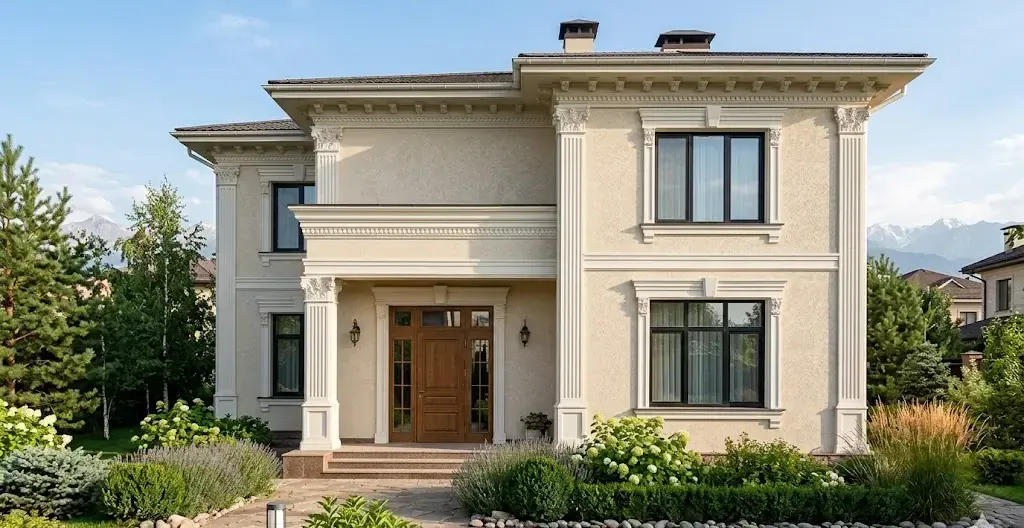
Decorative facade framing in Almaty
from 6 000 tg.* per linear metre
Durable, high-quality facade finishing thanks to compliance with building codes and the high qualifications of our craftsmen.
 Joints to GOST 5264-80
Installation from 1 day Arrival within 45 minutes
Installation from 1 day 3-year warranty
 Prices from 5000 ₸
Contract and estimate
Decorative facade framing in Almaty
from 6 000 tg.* per linear metre
Durable, high-quality facade finishing thanks to compliance with building codes and the high qualifications of our craftsmen.
Joints to GOST 5264-80
Installation from 1 day
Arrival within 45 minutes
Installation from 1 day
3-year warranty
Prices from 5000 ₸
Contract and estimate
Decorative facade framing in Almaty
from 6 000 tg.* per linear metre
Durable, high-quality facade finishing thanks to compliance with building codes and the high qualifications of our craftsmen.
Joints to GOST 5264-80
Installation from 1 day
Arrival within 45 minutes
Installation from 1 day
3-year warranty
Prices from 5000 ₸
Contract and estimate
Types of facade
work we do
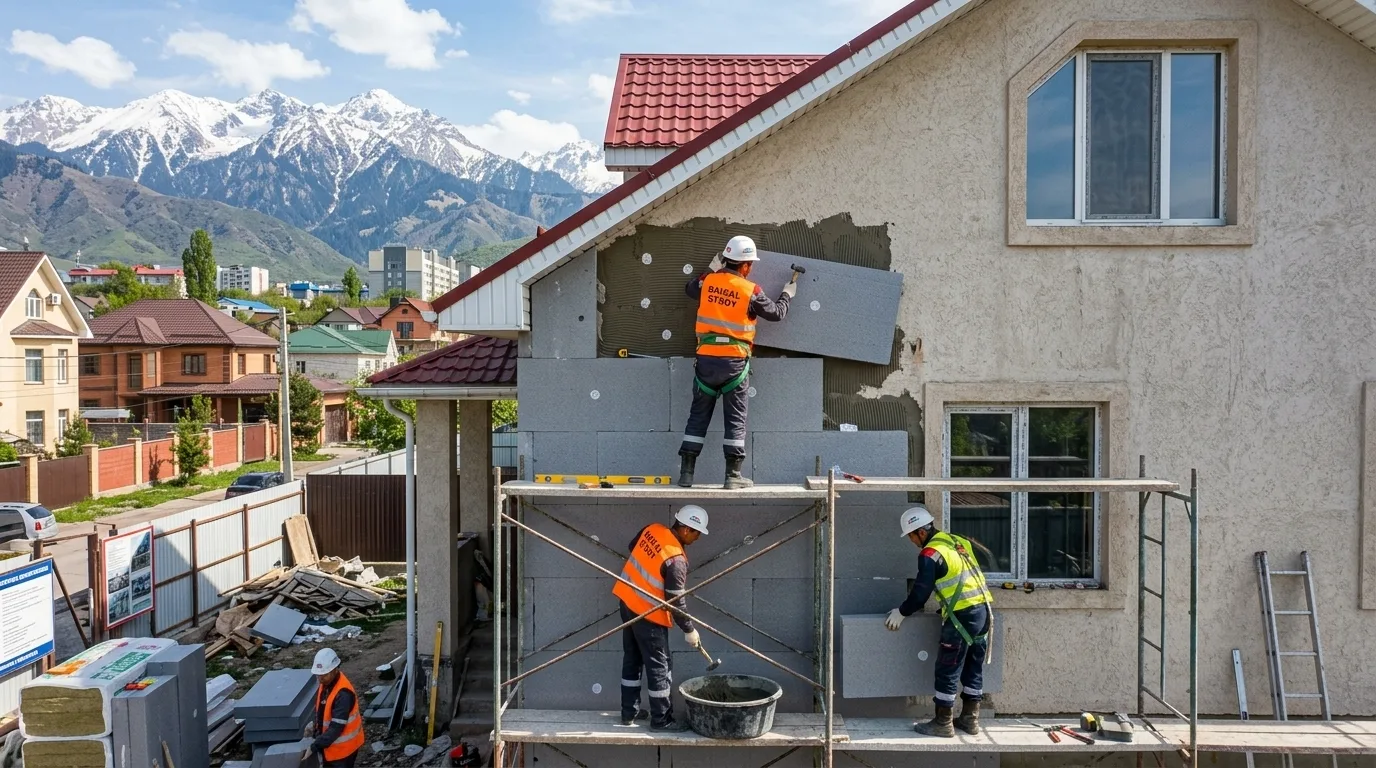
Facade insulation
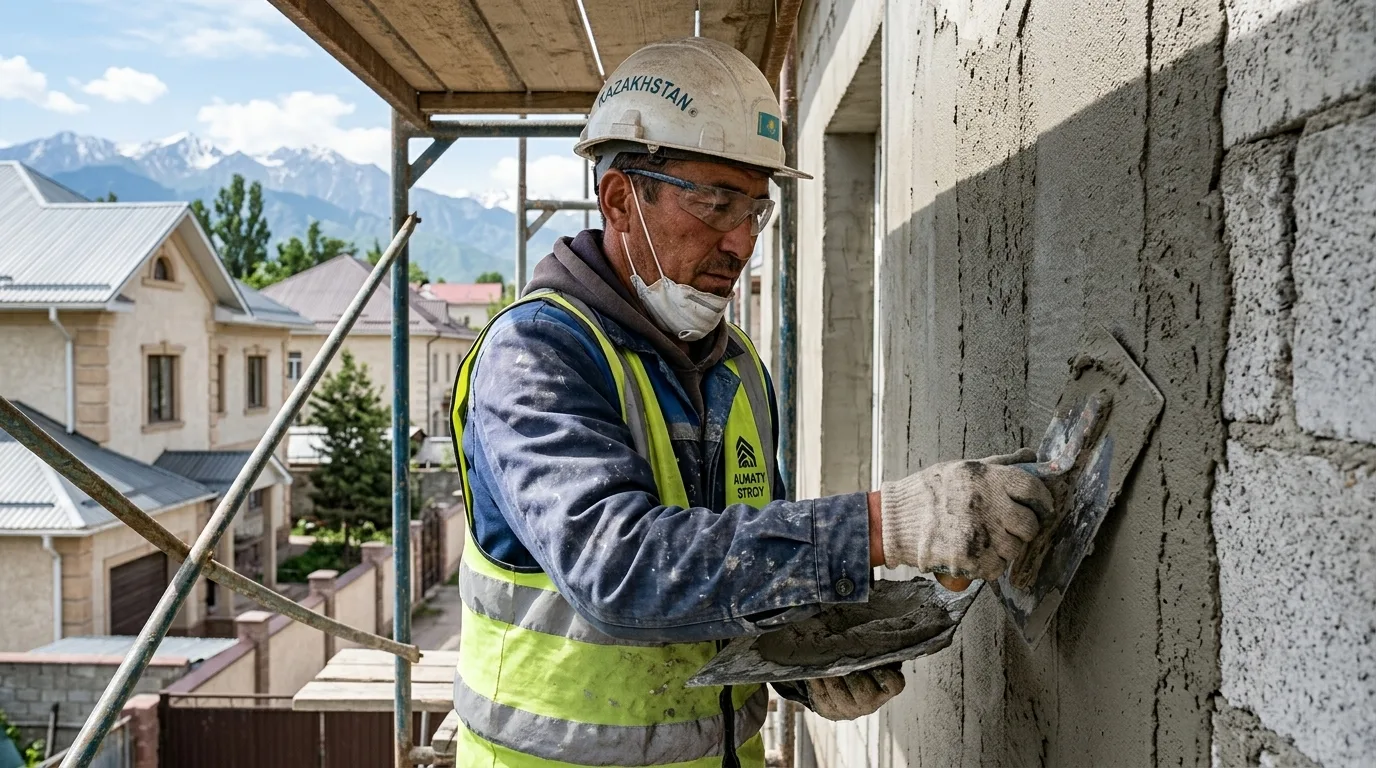
Plastering the walls
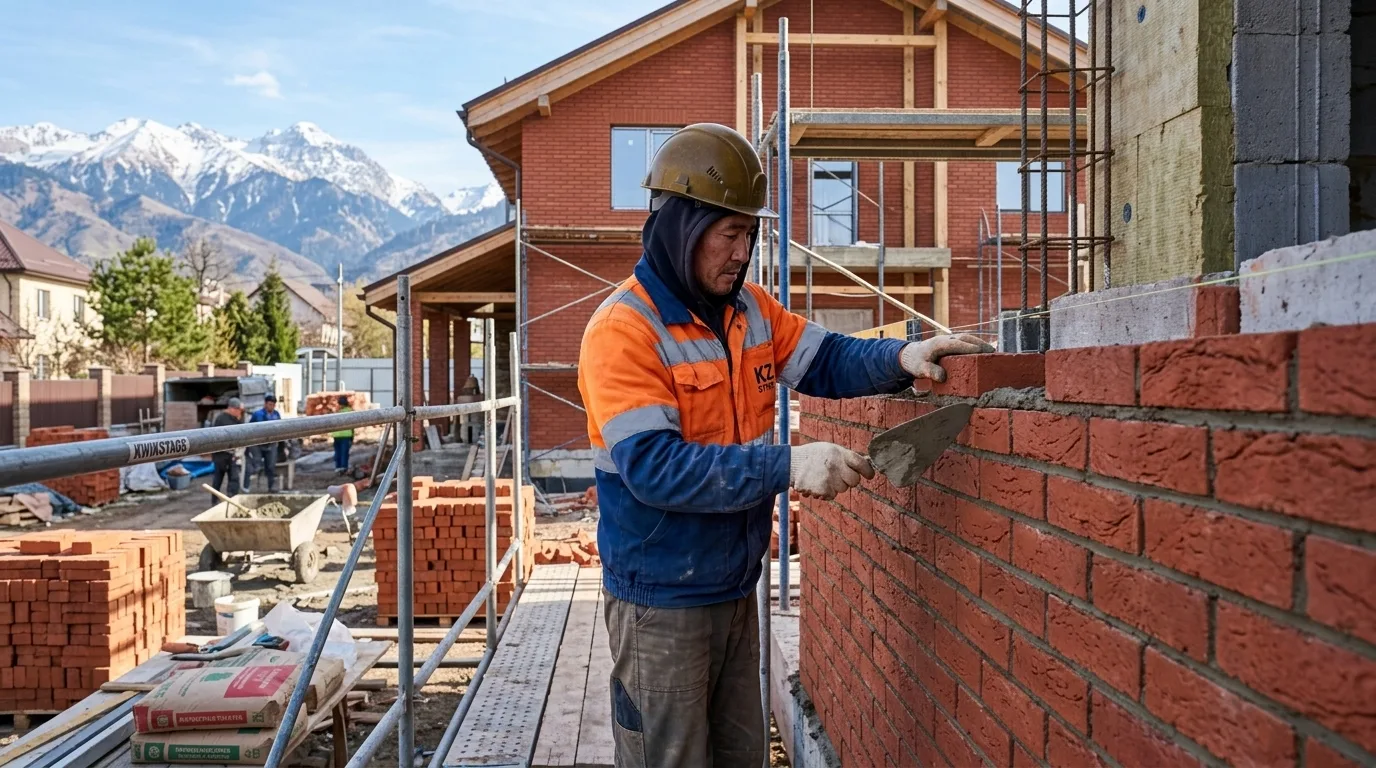
Brick cladding
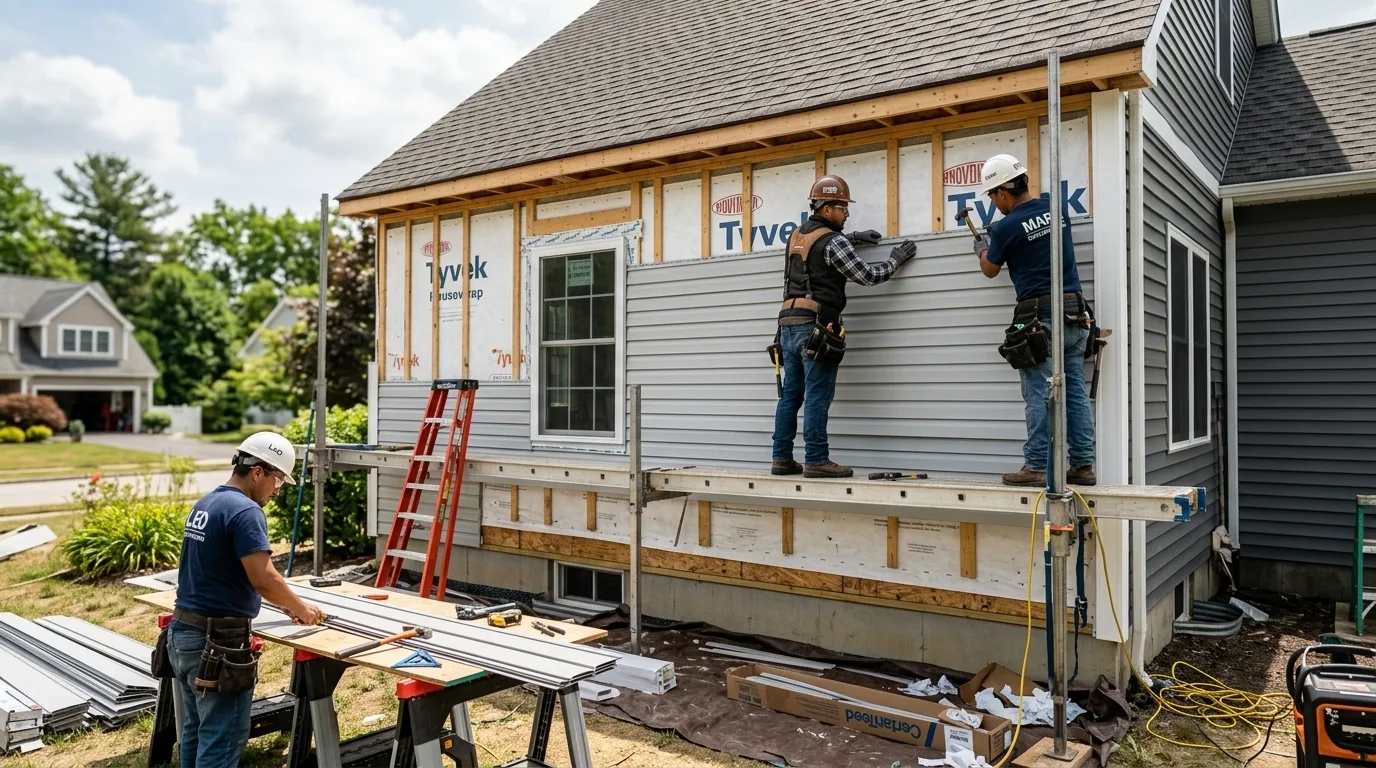
Siding installation
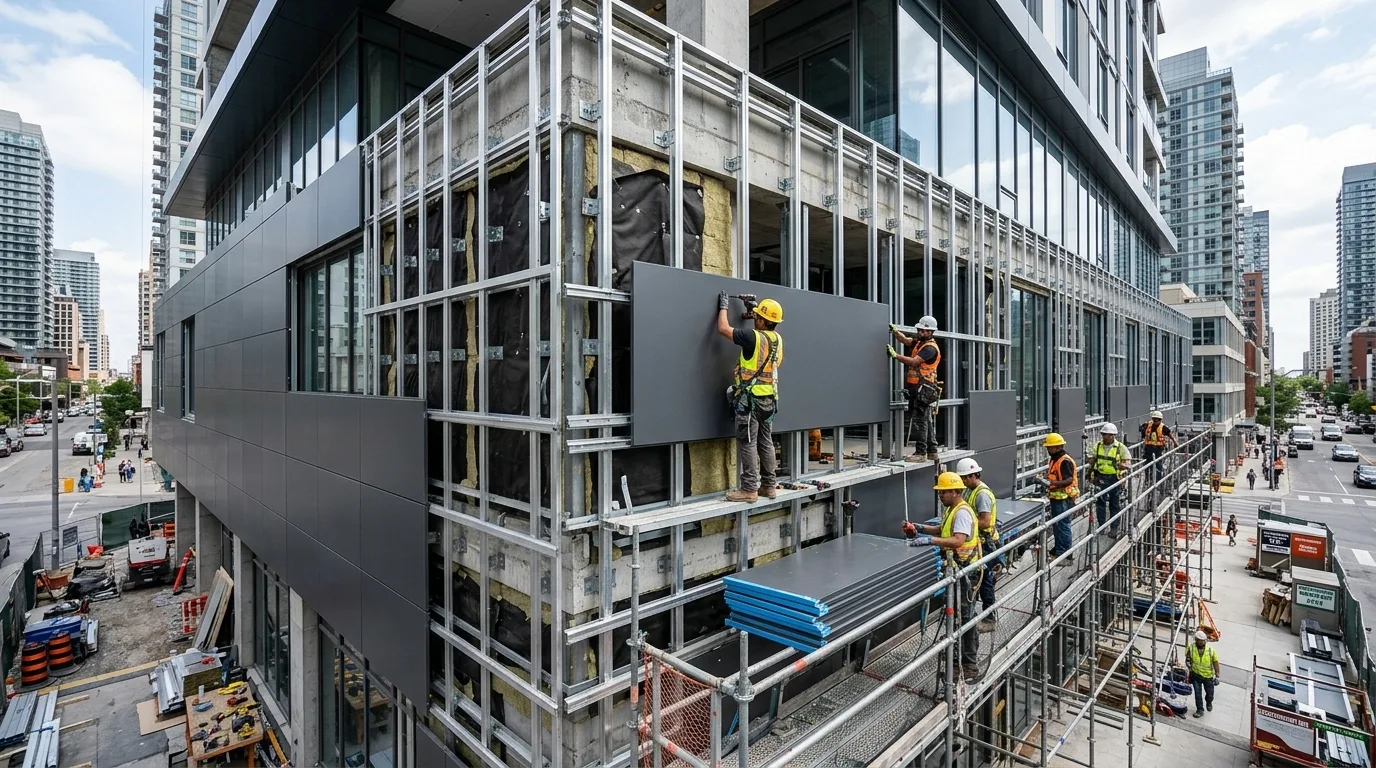
Construction of ventilated facades
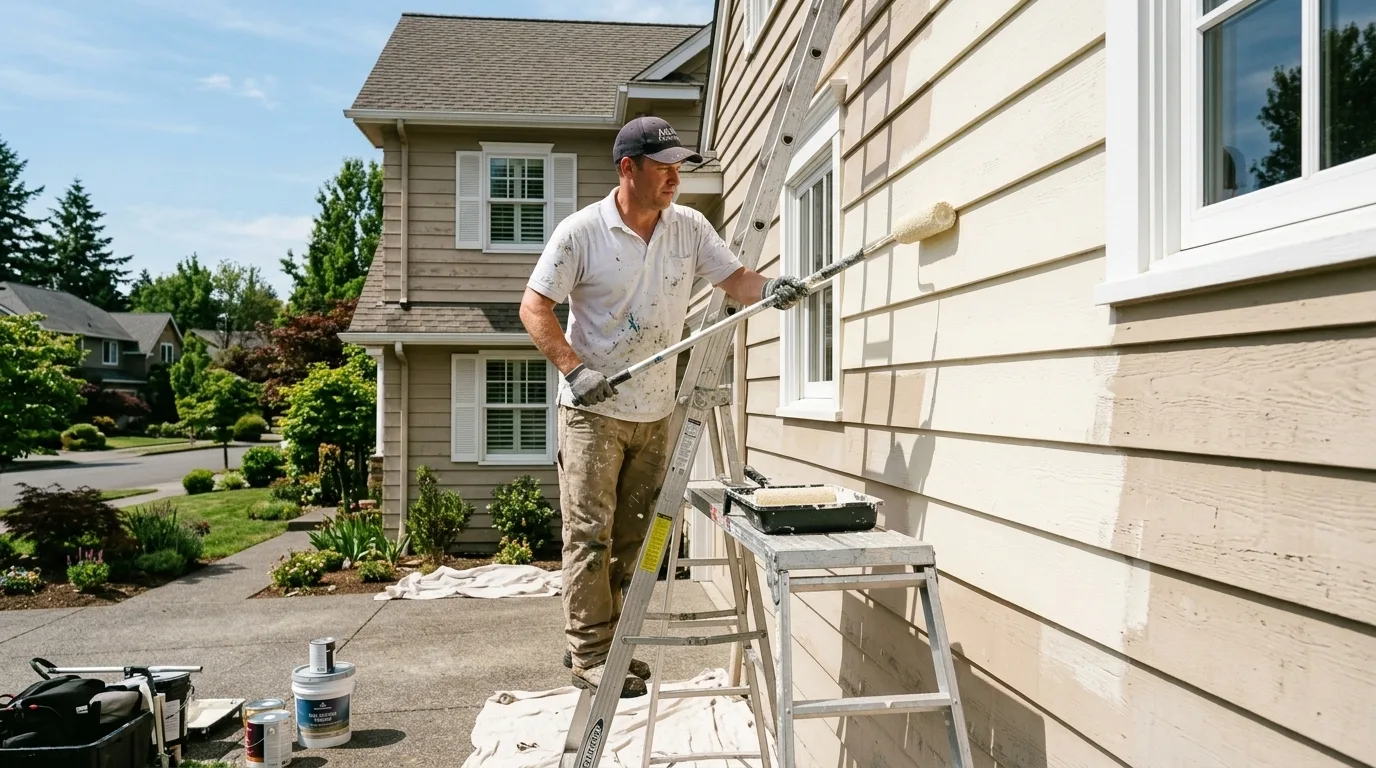
Facade painting
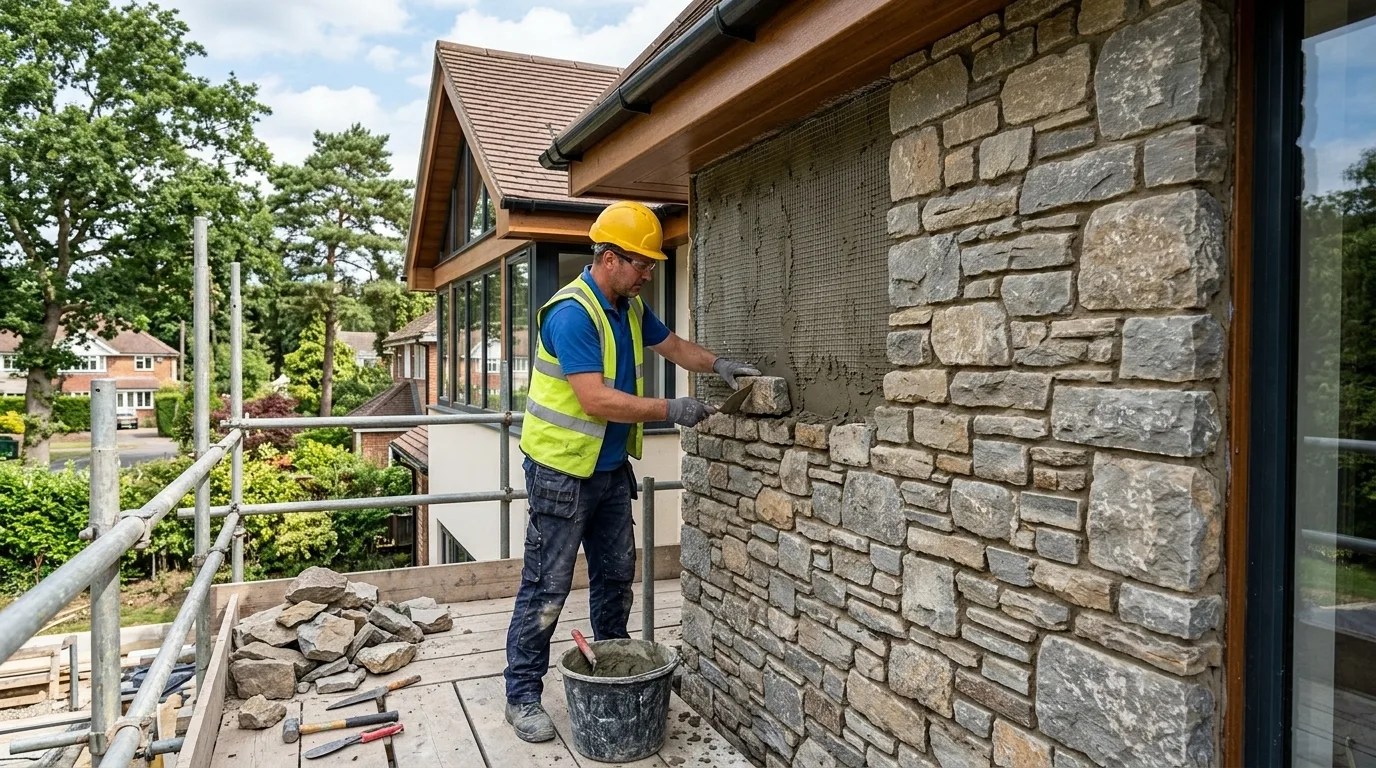
Stone finishing
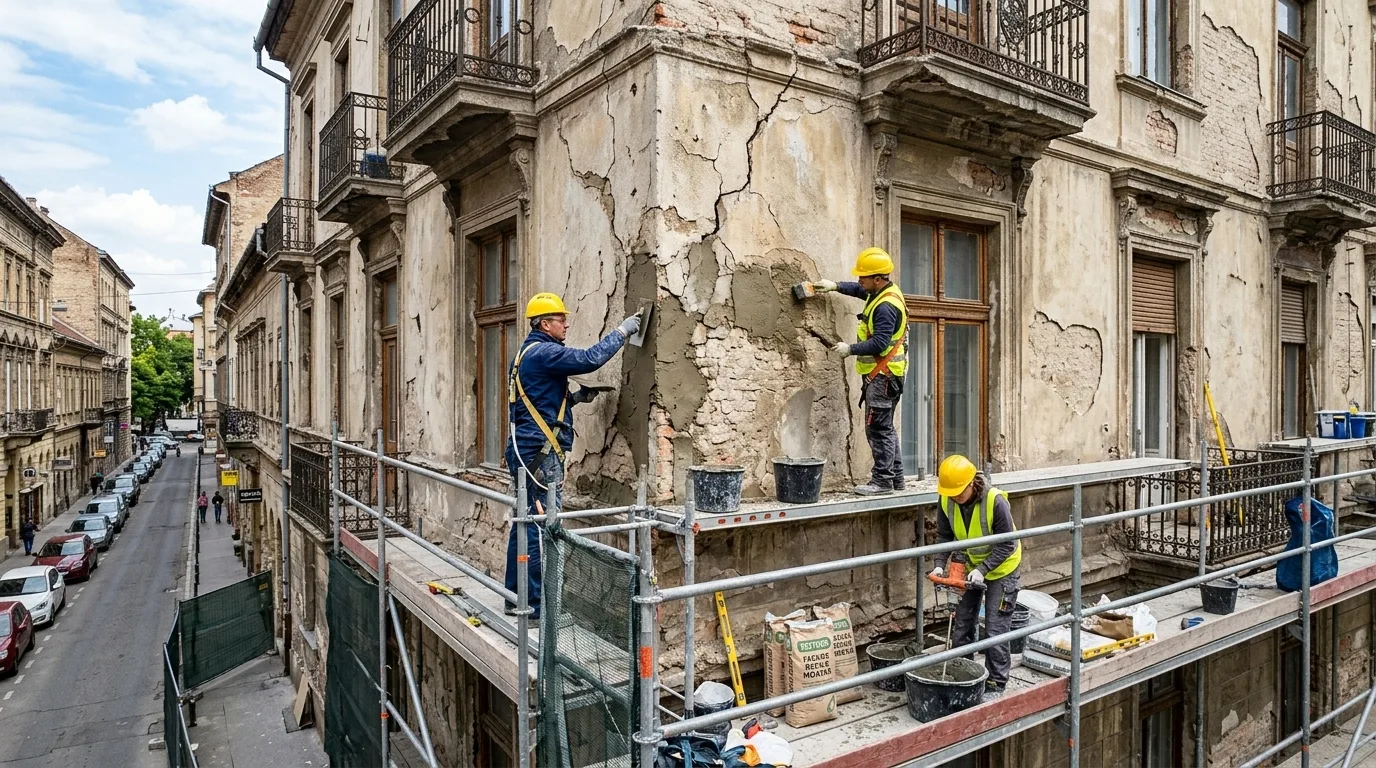
Facade repair
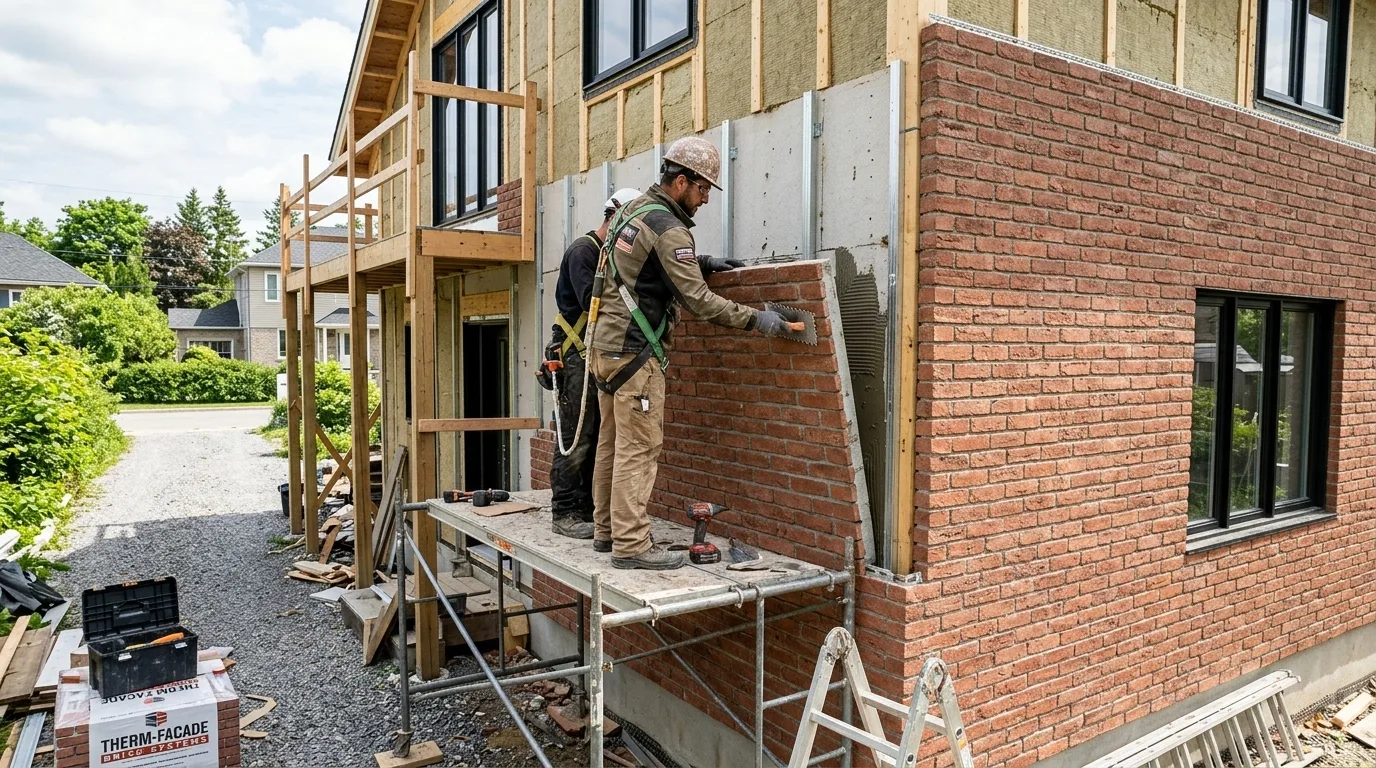
Installation of facade panels
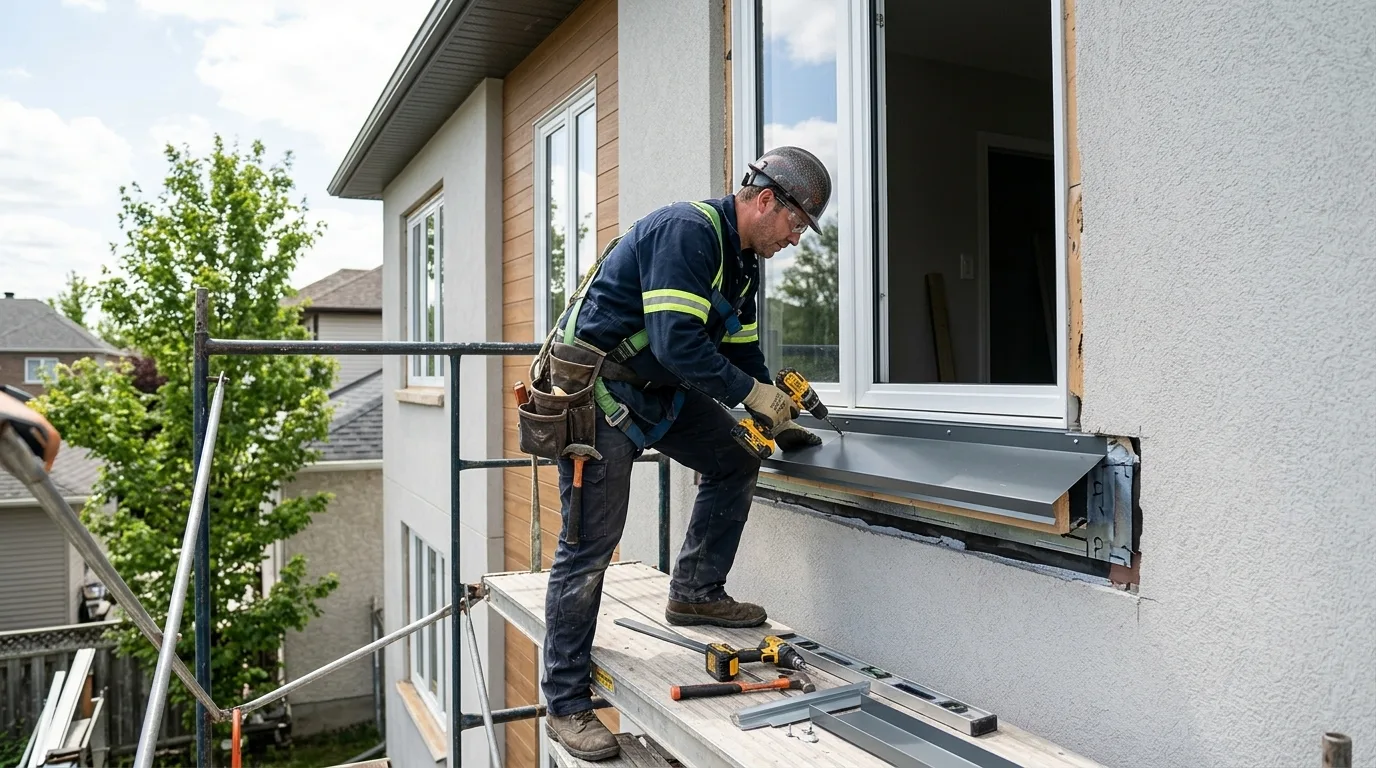
Installation of flashings and reveals
Types of facade
work we do
Facade insulation
Plastering the walls
Brick cladding
Siding installation
Installation of flashings and reveals
Facade repair
Facade painting
Stone finishing
Installation of facade panels
Construction of ventilated facades
We will call you back within 3 minutes
Types of facade
work we do
Facade insulation
Plastering the walls
Brick cladding
Installation of facade panels
Installation of flashings and reveals
Facade repair
Construction of ventilated facades
Facade painting
Stone finishing
Siding installation
We will call you back within 3 minutes
Cost of facade work in
Almaty
| SERVICE | COST | TIME |
|---|---|---|
| Specialist visit for a survey and consultation | from 5 000 ₸ | from 1 hour |
| Minimum order value | from 50 000 ₸ | — |
| Installing facade cornices | from 6 000 ₸/linear m | from 1 day |
| Installing string courses between floors | from 5 000 ₸/linear m | from 1 day |
| Window and door trims with facade decor | from 6 000 ₸/linear m | from 1 day |
| Installing rustication and corner elements | from 4 500 ₸/m² | from 2 days |
| Installing columns and pilasters | from 25 000 ₸/pc | from 1 day |
| Installing brackets and keystones | from 5 000 ₸/pc | from 2 hours |
| Protective reinforcing coating for decor | from 1 500 ₸/linear m | from 1 day |
| Painting facade decor | from 900 ₸/linear m | from 1 day |
| Repairing and restoring old decor | from 3 500 ₸/linear m | from 1 day |
Advantages of facade work from Profi-Dom

Neat joints with no chips
We use professional jointing tools that prevent damage to the tiles during laying

Certified craftsmen
Each specialist confirms their qualification with an annual exam in facade technologies

Equipment for a wet facade
We use industrial mixers and plastering stations that ensure even application of the layers

Meeting the finishing deadlines
The average cycle of turnkey facade work takes 21 working days on a weekly schedule

5-year
warranty on the facade
We fix our obligations in a contract, including protection against plaster peeling and fastener corrosion

Transparent estimate in ₸
We fix the cost of materials and work in the estimate, with no hidden markups or extra charges
Advantages of facade work from Profi-Dom
We use professional jointing tools that prevent damage to the tiles during laying
Neat joints with no chips
Each specialist confirms their qualification with an annual exam in facade technologies
Certified craftsmen
We use industrial mixers and plastering stations that ensure even application of the layers
Equipment for a wet facade
The average cycle of turnkey facade work takes 21 working days on a weekly schedule
Meeting the finishing deadlines
We fix our obligations in a contract, including protection against plaster peeling and fastener corrosion
5-year
warranty on the facade
We fix the cost of materials and work in the estimate, with no hidden markups or extra charges
Transparent price in KZT
We will call you back within 3 minutes
Advantages of facade work from Profi-Dom
We use professional jointing tools that prevent damage to the tiles during laying
Neat joints with no chips
Each specialist confirms their qualification with an annual exam in facade technologies
Certified craftsmen
We use industrial mixers and plastering stations that ensure even application of the layers
Equipment for a wet facade
The average cycle of turnkey facade work takes 21 working days on a weekly schedule
Meeting the finishing deadlines
We fix our obligations in a contract, including protection against plaster peeling and fastener corrosion
5-year
warranty on the facade
We fix the cost of materials and work in the estimate, with no hidden markups or extra charges
Transparent price in KZT
We will call you back within 3 minutes
HOW WE WORK
- 01.Discussion and estimate
We visit the site or hold an online consultation to determine the scope of work precisely and prepare a transparent estimate with no hidden charges.
- 02.Visit for precise measurements
Our specialist comes at a time convenient for you, takes all the necessary measurements and records the features of the facade for a perfect fit of the material.
- 03.Creating the design and sketch
We develop a detailed cladding plan with a panel layout, so that you can see in advance how your house will look after installation.
- 04.Approval of the contract
In the contract we fix the final cost, the exact completion dates and the warranty obligations, so that you feel protected.
- 05.Preparation of materials
We order certified siding and all components, checking each batch for compliance with quality standards and colour.
- 06.Professional installation
Our craftsmen install the battens and fix the panels using a technology that prevents deformation and ensures a long facade service life.
- 07.Finishing and sealing
We carefully finish all corners, joints and openings, treating them with sealant to protect against moisture and draughts.
- 08.Handover of the site and cleanup
After the work is finished we remove the construction debris and carry out a final inspection together with you to make sure the result is flawless.
Find out the cost and timing of facade work in 1 minute
catalogue of completed facade work
 Facade insulation and plastering of a private house in the Alatau microdistrict
 Plinth cladding of a shopping centre on Abay Avenue
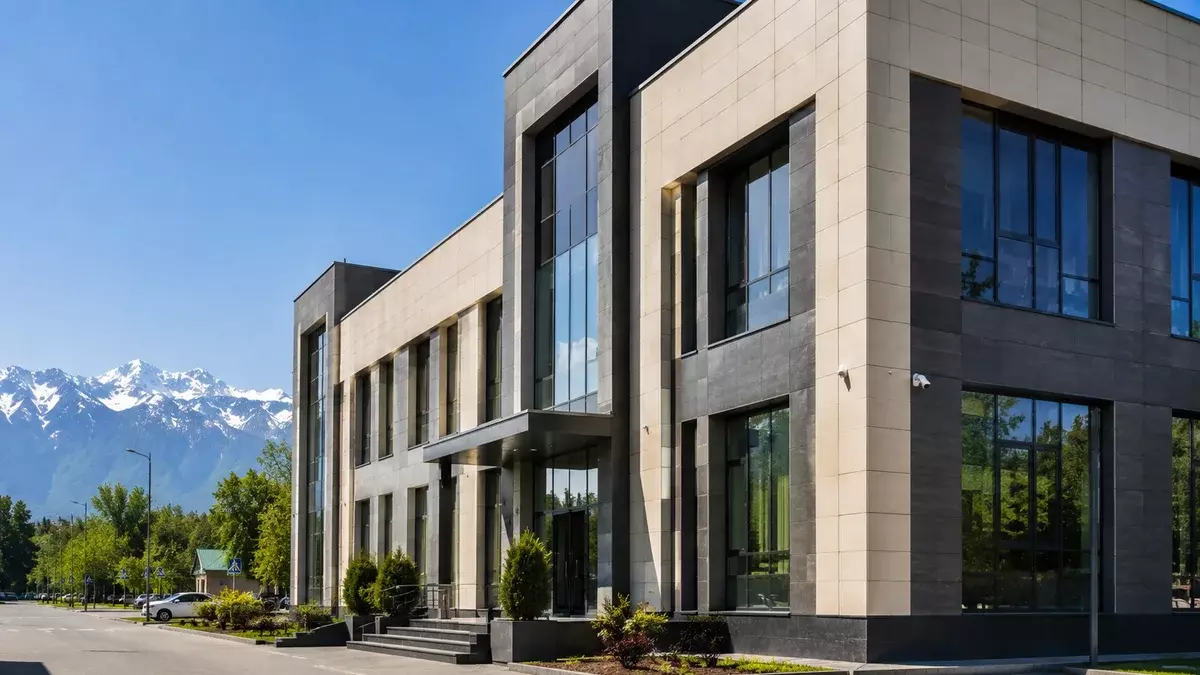 Installation of a ventilated facade on an office building in the Bostandyk district
 Painting and repair of the facade of an apartment building in the Samal microdistrict
FIND OUT THE COST OF FACADE WORK FOR YOUR PROJECT
Leave a request and we will contact you within 3 minutes
Thank you! We will contact you within 3 minutes.
By clicking the button you agree to the terms of the
 Privacy Policy
FIND OUT THE COST OF FACADE WORK FOR YOUR PROJECT
Leave a request and we will contact you within 3 minutes
Thank you! We will contact you within 3 minutes.
By clicking the button you agree to the terms of the
Or call us at
+7 (707) 068-88-68Privacy PolicyFIND OUT THE COST OF FACADE WORK FOR YOUR PROJECT
Leave a request and we will contact you within 3 minutes
Thank you! We will contact you within 3 minutes.
By clicking the button you agree to the terms of the
Or call us at
+7 (707) 068-88-68About decorative facade framing in detail
Decorative facade framing is a set of architectural elements (mouldings, cornices, pilasters, rustication, keystones) that are mounted on a building's facade. In Almaty this service is offered by companies that work with high-density polystyrene foam and polyurethane. The price per linear metre depends on the material, the complexity of the profile and the type of element.
What decorative facade framing is and why it is needed
Decorative facade framing is a system of applied architectural elements that are mounted on a house's walls. In Almaty projects it solves both an aesthetic and a protective task at once: it gives the building style and hides the technological joints of the insulation.
What facade framing is
Decorative facade framing is a set of architectural elements (mouldings, cornices, pilasters, rustication, keystones) that are mounted on a building's facade to give it a finished, stylistically consistent appearance. In private houses in Almaty, facade mouldings are most often used — they frame window and door openings and divide the walls vertically and horizontally. Facade cornices are installed under the roof and between storeys: they visually complete the volume and direct rainwater away from the walls. Pilasters imitate load-bearing columns and act as vertical accents, while rustication creates horizontal bands that divide a tall facade into proportional sections. Keystones are placed above arches and windows — these are point accents that draw the eye. Unlike plain plaster, framing creates a three-dimensional geometry of the facade — shadows, accents, a visual division of the walls — which turns an ordinary house into an object with individual architecture.
Why a private house needs facade framing
Decorative facade framing solves three tasks: it gives the house architectural expressiveness, visually corrects the building's proportions and protects the joints of the structures from moisture ingress. In Almaty conditions, where temperature swings in spring and autumn reach 15–20 °C within a day, facade cornices act as drip edges — they direct water away from the joint of the wall and roof, preventing the insulation from getting wet. Rustication installed at plinth level hides the transition from the foundation to the wall and protects this node from snow and rain splashes. Pilasters, besides their decorative function, reinforce the corners of the building — they are installed with reinforcement, which reduces the risk of cracks at the joints of polystyrene foam boards. For example, cornices visually «lift» a low facade, while rustication makes a tall house look more squat and solid. The choice of elements depends on the style of the house — classical, neoclassical, Art Nouveau or hi-tech — and each dictates its own geometry and set of profiles.
Which facade styles the framing supports
Decorative facade framing suits most architectural styles: neoclassical (mouldings, pilasters, cornices), Art Nouveau (flowing lines, minimalist profiles), Mediterranean (rustication, keystones), contemporary (geometric forms, clean lines). Neoclassical is characterised by symmetrical compositions with pilasters and cornices — here precision of proportions matters: the height of a pilaster usually equals the height of a storey, and the overhang of a cornice is at least 10 cm for a readable shadow. In the Art Nouveau style, asymmetrical accents with irregularly shaped keystones and facade mouldings with a smooth radius are used — such elements are ordered individually to a 3D design. The Mediterranean style in Almaty is often chosen for houses with terracotta roof tiles: rustication and keystones of polystyrene foam are covered with textured plaster imitating natural stone. It is important that the style of the decor matches the overall design of the plot and the roof — for example, for a house in a contemporary style with a flat roof, massive multi-tiered cornices are unsuitable, and here thin geometric profiles are appropriate.
Types of facade decor: mouldings, cornices, pilasters, rustication and keystones
The price of decorative framing depends on the area, the material and the complexity of the facade — we calculate the exact sum after measuring. Facade decor includes several types of element, each of which performs its own function and sets the style of the house. Let us go over the main types, their sizes, purpose and approximate cost per linear metre.
Facade mouldings — a versatile decor element
Facade mouldings are profiled strips for framing windows, doors and arches and for dividing the facade into zones, from 3 to 15 cm wide. The profile can be flat, convex or ornamented — narrow strips suit modern minimalist facades, while wide ones with flutes suit classic and neoclassical styles. On Almaty houses such elements are more often fitted from high-density expanded polystyrene with a protective coating, and less often from polyurethane, which is 30-50% more expensive but not afraid of impacts. During installation, sealant is required on every joint from 2 m long, otherwise temperature swings will cause cracks within a year — in our experience this is the most common reason for warranty visits to sites in the Alatau and Kalkaman neighbourhoods.
Facade cornices — the finishing touch of the facade
Facade cornices are horizontal elements under the roof, above windows or between floors, which visually complete the facade and divert rainwater away from the walls. The crowning cornice is the most massive; it sets the tone for the whole house: for cottages a 20–40 cm overhang is popular, while for townhouses 15–25 cm is enough. Inter-floor cornices break up the vertical of the facade and visually reduce the height of the walls, while window cornices unite the windows into a continuous band. Polyurethane cornices cost from 5 000 KZT per linear metre, but because of their weight they require reinforced fastening — at least 3 anchors are set per linear metre, and under the crowning cornice a galvanised drip edge is additionally fitted, otherwise water gets under the roof even with the correct slope.
Pilasters, rustication and keystones — accent elements
Pilasters are vertical overlays that imitate columns; they are placed at the corners of the building or on either side of the windows and visually 'lift' the facade, making it look slimmer. Rustication consists of horizontal divisions of the facade with a stone-masonry effect, 10–25 cm wide, suitable for the plinth or the whole facade in the Mediterranean style. Keystones are trapezoidal accents above windows and doors measuring 20–50 cm, most often used in neoclassical and baroque styles. On a 10×12 m house in the Gorny Gigant neighbourhood, pilasters at the corners and a rusticated plinth completely changed the geometry — the facade stopped looking flat, even though the wall area did not grow by a single centimetre, and the keystones above the first-floor windows visually reduced the height of the openings by 15%.
Comparison of types of facade decor: sizes, purpose, price
| Element | Purpose | Typical width / size | Price per linear m (material + installation) |
|---|---|---|---|
| Facade moulding | Framing of windows and doors, zoning of the facade | 3–15 cm | from 2 500 KZT |
| Facade cornice | Completing the facade, protection from water | overhang 20–40 cm | from 4 000 KZT |
| Pilaster | A vertical accent, imitation of a column | 15–30 cm | from 5 500 KZT |
| Rustication | Horizontal division of the facade | 10–25 cm | from 3 000 KZT |
| Keystone | An accent above windows and doors | 20–50 cm | from 6 000 KZT |
For polyurethane the price is 30–50% higher, but such elements do not crack from impacts and do not absorb moisture — on basement floors with high groundwater, polyurethane pays off thanks to the absence of repairs after 2–3 seasons.
Materials for facade decor: polystyrene foam, polyurethane and a protective coating
Facade mouldings are made from two main materials — high-density expanded polystyrene and polyurethane. Each has its own advantages, features and limitations that are important to understand before buying.
High-density polystyrene foam — the main material for facade decor
High-density expanded polystyrene (EPS) is a light, strong and moisture-resistant material used to make facade decor. It does not rot, does not absorb moisture and is not prone to mould. The density of quality EPS for facade elements should be no lower than 25 kg/m³ — at a lower density the material crumbles when cut and holds its geometry poorly on vertical walls. In Almaty conditions, where winter can reach −30°C and summer +40°C, EPS behaves stably: it does not crack from frost and does not deform in the sun if a protective coating is applied. EPS facade trim weighs 5–7 times less than gypsum equivalents — this reduces the load on load-bearing walls and simplifies installation. Before buying, check the density certificate: some suppliers pass off construction foam of 15 kg/m³ as facade EPS — such material will last no more than a season.
Polyurethane — an alternative for complex architectural elements
Polyurethane is a denser and more elastic material than expanded polystyrene. It makes it possible to create elements with fine details, complex curves and ornaments that cannot be cast from EPS. The density of polyurethane reaches 40–60 kg/m³, so it better withstands impact loads — an accidental hit from a ladder or a ball will not leave a dent. However, because of its high density the material is heavier: a 2-metre-long polyurethane element weighs about 30% more than its EPS equivalent, which calls for more reliable fastening. Polyurethane is 30–50% more expensive than EPS, but for elements with fine detail (ornamented keystones, column capitals) this difference is justified — EPS simply will not convey such crisp lines. For straight mouldings and cornices the price difference is not always justified: plain EPS profiles with reinforcement last just as long.
Protective coating — reinforcement and painting
The protective coating of facade decor consists of a reinforcing layer (mesh + adhesive) and a finishing facade paint. This is a mandatory stage that protects the decor from ultraviolet light, moisture and mechanical damage. Fibreglass reinforcing mesh is embedded in an adhesive layer 2–3 mm thick — it prevents the polystyrene foam from cracking during temperature swings and gives rigidity to thin elements. Without reinforcement, facade decor made of EPS can start to crack after just a year of use in the Almaty climate. The finishing is done with facade paints on an acrylic or silicone base — they do not fade in the sun or wash off in the rain. Silicone paints are 15–20% more expensive than acrylic, but they stay elastic longer, which is critical for elements facing the south side of the house. We recommend choosing matt paints: on glossy surfaces all the unevenness of the plaster is visible.
Comparison of materials for facade decor: polystyrene foam vs polyurethane
| Parameter | High-density polystyrene foam | Polyurethane |
|---|---|---|
| Density | 25–35 kg/m³ | 40–60 kg/m³ |
| Complexity of the details | Medium (straight lines, simple profiles) | High (fine details, ornaments, curves) |
| Frost resistance | Excellent (down to −40°C) | Excellent (down to −50°C) |
| UV resistance | Requires painting | Requires painting |
| Price per linear m (average) | from 2 500 KZT | from 3 500 KZT |
| Element weight 2 m | ~1,5 kg | ~2 kg |
| Recommended in Almaty | The optimal choice for most houses | For complex elements and premium projects |
The choice between polystyrene foam and polyurethane depends on the budget, the complexity of the elements and the climatic conditions. For most private houses in Almaty high-density polystyrene foam is optimal — it is cheaper and strong enough. Polyurethane is worth choosing for elements with fine details or for properties with higher impact-resistance requirements.
Technology for installing facade decor: from measurement to painting
The price per linear metre includes not only the material but also installation. The installation technology consists of several stages, each of which affects the durability of the finish.
Stage 1 — Measurement visit and drawing up the estimate
The first stage is a surveyor's visit to the site, where the specialist assesses the condition of the facade, takes precise measurements of all walls and openings, determines the number and type of elements, and agrees the styling with the client. In Almaty the measurement visit is usually free — this is standard for companies that value their reputation. On site the master checks the geometry of the walls with a spirit level and a laser rangefinder, taking into account unevenness that may require adjusting the dimensions of the mouldings or cornices. Based on the measurements, an estimate is drawn up with a breakdown for each element: the number of linear metres, the cost of the material, installation and painting.
Stage 2 — Manufacture of the decorative elements
Once the estimate is approved, manufacturing begins — for expanded polystyrene, cutting on CNC machines with an accuracy of up to 0,5 mm is used, and for polyurethane, casting in silicone moulds with curing in a heat chamber for 24 hours. The lead time for a standard order on a private house in Almaty is from 3 working days; complex projects with custom sketches take up to 7 days. The quality of manufacture directly affects the durability of the finish: elements must have even edges without chips, the same thickness along their entire length and precise dimensions matching the measurements. Poor cutting on cheap equipment leads to gaps at the joints, which over time break down from moisture and temperature swings.
Stage 3 — Installation with adhesive and dowels
Facade decor is installed on a special adhesive for expanded polystyrene (for example, Ceresit CT 85 or Baumit ProContact) and is additionally fixed with dish-shaped dowels with a metal nail — this double fastening ensures the elements will not fall off even in winds of up to 25 m/s or daily temperature swings from −30 to +40 °C. The adhesive is applied with a notched trowel over the entire surface of the element, not just along the edges — this rules out voids where condensation can collect. The dowels are set at 30–40 cm spacing, and for heavy elements (cornices, pilasters more than 200 mm wide) the spacing is reduced to 20 cm, with each dowel recessed 5 mm into the body of the element and puttied over. Before work begins, the wall must be primed with a deep-penetrating compound — skipping this stage reduces adhesion by 40 %.
Stage 4 — Reinforcement and painting
After installation, a reinforcing layer is applied to the elements — an adhesive mix with an alkali-resistant facade mesh of 160 g/m² density, then a primer with a quartz filler and a final facade paint — this is a mandatory stage that protects the finish from ultraviolet light, moisture and mechanical damage. Painting is done in the facade colour or a contrasting shade for accent — acrylic or silicone paints resistant to fading are most often used. The cost of painting is usually included in the price per linear metre and makes up 20–30 % of the total estimate. Without reinforcement and painting, expanded polystyrene yellows in the sun within one season, loses strength and breaks down within 2–3 years.
How long facade decor lasts and how to extend its service life
With correct installation and a quality protective coating, facade decor made of high-density expanded polystyrene (EPS 150–200) lasts 15–20 years, and polyurethane 20–25 years, with the main cause of premature failure being poor installation that violates the technology rather than the material itself. In Almaty's climate, with sharp temperature swings (up to 50 °C between day and night in spring and autumn), it is especially important to keep an eye on the condition of the joints between elements — that is where micro-cracks appear most often. To extend the service life, it is enough to inspect the decor for chips and paint peeling once every 3–5 years and, if necessary, touch up problem areas with the same paint as the facade.
The price of decorative facade framing per linear metre and the budget for a house
Architectural facade decor is an investment in a house's appearance. The price depends on the type of element, the material, the complexity of the profile and the volume of work. Let us look at what the cost is made up of and how to calculate the budget.
What the price of facade framing is made up of
The price of decorative facade trim per linear metre includes: the material (expanded polystyrene or polyurethane), making the element to size, installation on adhesive and dowels, reinforcement with fibreglass mesh and the final painting — this is a comprehensive 'turnkey' service, with no need to buy extra consumables. In Almaty companies this approach is standard: you get a finished element on the wall, not a box of materials. The minimum order amount is usually 100 000–150 000 KZT, which covers the crew's visit and the preparation of equipment. The price does not include facade preparation (levelling, plastering), insulation or delivery — clarify what the service includes when signing the contract, so that the final estimate does not turn out to be 20–30% higher than the stated price per metre.
Prices per linear metre for different elements
| Element | Material | Price per linear m (turnkey) | Note |
|---|---|---|---|
| Facade moulding (simple profile) | Polystyrene foam | from 2 500 KZT | Width up to 10 cm |
| Facade moulding (complex profile) | Polystyrene foam | from 3 500 KZT | Width up to 15 cm, ornament |
| Facade cornice (overhang up to 30 cm) | Polystyrene foam | from 4 000 KZT | Crowning or inter-storey |
| Facade cornice (overhang up to 50 cm) | Polystyrene foam | from 5 500 KZT | Reinforced, with extra fixing |
| Pilaster (width 15–20 cm) | Polystyrene foam | from 5 500 KZT | With a capital and a base |
| Rustication (width 10–15 cm) | Polystyrene foam | from 3 000 KZT | A horizontal element |
| Keystone (plain) | Polystyrene foam | from 6 000 KZT | Size up to 30 cm |
| Keystone (with ornament) | Polyurethane | from 9 000 KZT | Size up to 50 cm |
Prices include the material, manufacture, installation, reinforcement and painting. For polyurethane the cost is 30–50% higher; for custom sketches, plus 20–30% to the base price.
How to calculate the budget for facade decor for a house
To calculate the budget you need to determine the facade perimeter (the sum of the lengths of all the walls), the number of window and door openings, and also choose the type of elements. Example: for a 150 m² house with 8 windows and 1 front door, about 80–100 linear metres of mouldings (for framing windows, doors and horizontal divisions) and 30–40 linear metres of cornices (crowning and inter-storey) will be needed. Approximate budget: mouldings (90 linear m × 2 500 KZT = 225 000 KZT), cornices (35 linear m × 4 000 KZT = 140 000 KZT), keystones (8 pcs × 6 000 KZT = 48 000 KZT). Total: about 413 000 KZT for material and installation — this is the «turnkey» price with no hidden extra charges. The exact calculation is made by the surveyor after visiting the site: they take into account the actual geometry of the walls, the projections and recesses, which can add 5–10% to the metreage compared with the design.
What affects the final cost of the framing
The final cost is affected by: the type of element (a moulding is cheaper than a pilaster), the material (expanded polystyrene is cheaper than polyurethane by 30–50%), the complexity of the profile (a plain one is cheaper than an ornamental one), the order volume (for 100+ linear metres the price per metre drops by 10–15% thanks to bulk purchasing), as well as the need for additional work — preparing the facade, delivery and lifting to height. A separate factor is seasonality: in spring and autumn the installation crews across Almaty are busier, which can increase waiting times by 1–2 weeks. Saving on material or installation often leads to problems: cheap foam with a density below 25 kg/m³ cracks from temperature swings, and poor fastening leads to elements falling off within a year or two — choose a contractor who gives a written installation warranty of at least 2 years, this is the only way to be sure of the quality of the work without the risk of redoing it at your own expense.
Turnkey decorative facade framing: the ordering process and work stages
The 'turnkey' service covers all stages: from the measurement visit to the final painting. Let's look at how an order is placed and what the timeframes are.
How to order turnkey facade framing
An order begins with a request — by phone, through the website or via messenger. After this a surveyor visit to the site is scheduled: they assess the facade, take measurements and discuss the style and material (PSB-S 35 polystyrene foam or polyurethane). Based on the measurements an estimate is drawn up, broken down by each element — mouldings separately, cornices separately, rustication separately, stating the cost per linear metre and the total volume. After the estimate is approved and the contract is signed, manufacture of the decor begins: cutting on a CNC machine to the drawings, sanding, applying a primer coat. In parallel the crew prepares the facade — levels the walls and marks out the positions for the elements. The manufacturing time is from 3 working days, and installation from 5 working days. Our advice: ask for an estimate itemised by each element and timeframe — this lets you compare offers and avoid hidden extra charges for individual stages.
Timeframes for manufacturing and installing facade decor
Manufacturing facade decor takes from 3 to 10 working days: simple straight mouldings for a typical facade are cut in 3–4 days, while complex arched cornices with capitals take up to 10 days. Installation on site takes from 5 to 15 working days: a house of up to 200 m² takes 5–7 days, a cottage of 300–400 m² takes 10–15 days, plus an allowance for the weather (rain and wind stop adhesive work). Each stage requires drying: the adhesive dries in 24 hours, the reinforcing layer in 12–24 hours, the primer in 4–6 hours, and each coat of paint in 24 hours. Because of this the overall cycle of «measurement — manufacture — installation — painting» stretches over 2–4 weeks. If you are planning the finishing for a specific date, allow a reserve of 1 week for unforeseen delays — the humid Almaty spring and autumn increase the between-coat drying times by 30–50%.
What the «turnkey» service includes: a full list of works
- - Measurement visit: free, with advice on style and materials.
- - Design: 3D visualisation of the facade with the decor laid out.
- - Manufacture: from high-density polystyrene foam (PSB-S 35) or polyurethane.
- - Delivery: across Almaty and the region, including the suburbs (Kargaly, Otegen-Batyr, Irgeli).
- - Installation: with adhesive and dowels, with corner reinforcement using fibreglass mesh.
- - Painting: with facade paint in two coats, colour from the RAL catalogue.
- - Warranty: on the decor from 1 year, on installation from 2 years — PROFI-DOM provides a full package of documents with obligations.
Conclusion
We have gathered the key points about facade decor — from choosing the material to installation and budget. Here are the main takeaways that will help you make a balanced decision.
Key takeaways
- - Decorative facade framing includes mouldings, cornices, pilasters and rustication — these elements change how the building is perceived and set its style.
- - The main materials are high-density expanded polystyrene and polyurethane. The first is cheaper and easier to work; the second is stronger, lighter and not afraid of impacts.
- - Quality installation is the key to a long service life for the decor. Essential: adhesive, dowels, reinforcement with fibreglass mesh and a final coat of facade paint.
- - The price of the trim is made up of the cost of the material, the complexity of the profile and the volume of work — a 'turnkey' order removes hidden costs for drawings and fasteners.
- - Choosing a contractor with experience and a warranty is the main factor in ensuring the facade decor pleases you for many years without cracks or peeling at the seams.