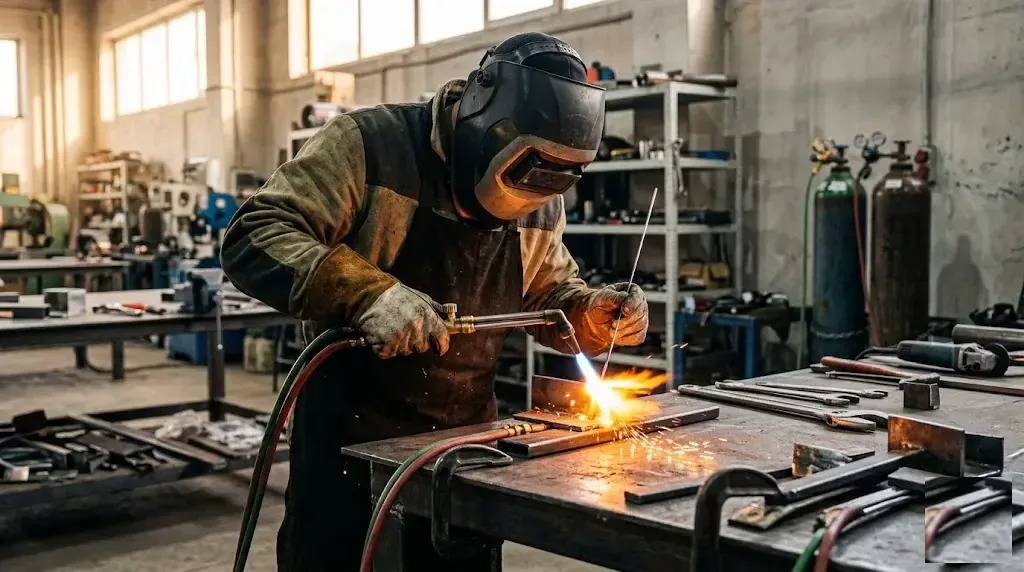
GAS WELDING IN ALMATY
from 3 500 KZT* per METRE OF WELD
Is a copper pipe leaking, a cast-iron radiator cracked, or a tank burned through? We'll weld and solder with gas without electricity — metal from 0,5 mm, visits across Almaty.
 Without a socket:
own gas post Thin sheet
from 0,5 mm 3-year warranty
on every seam Cast iron with heating
up to 500–600 °C
GAS WELDING IN ALMATY
from 3 500 KZT* per METRE OF WELD
Is a copper pipe leaking, a cast-iron radiator cracked, or a tank burned through? We'll weld and solder with gas without electricity — metal from 0,5 mm, visits across Almaty.
Without a socket:
own gas post
Thin sheet
from 0,5 mm
3-year warranty
on every seam
Cast iron with heating
up to 500–600 °C
GAS WELDING IN ALMATY
from 3 500 KZT* per METRE OF WELD
Is a copper pipe leaking, a cast-iron radiator cracked, or a tank burned through? We'll weld and solder with gas without electricity — metal from 0,5 mm, visits across Almaty.
Without a socket:
own gas post
Thin sheet
from 0,5 mm
3-year warranty
on every seam
Cast iron with heating
up to 500–600 °C
Types of welding
work we do
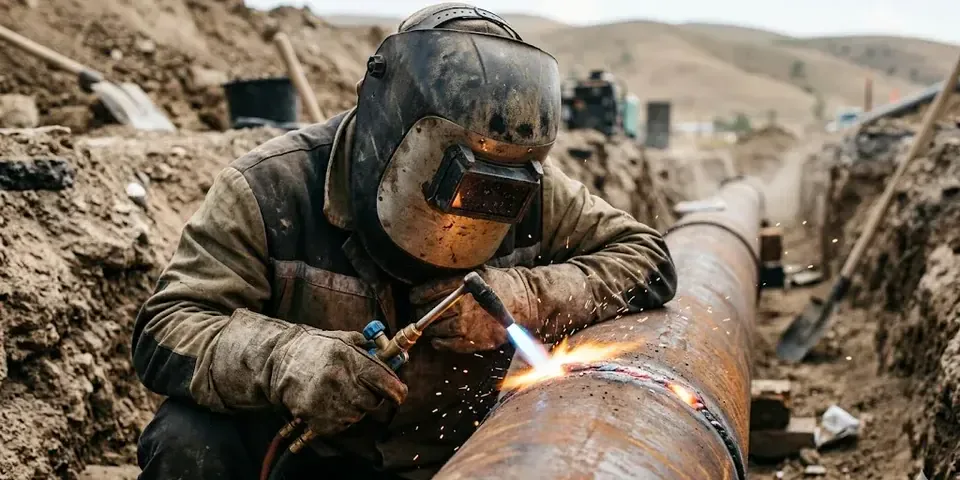
Gas pipe welding
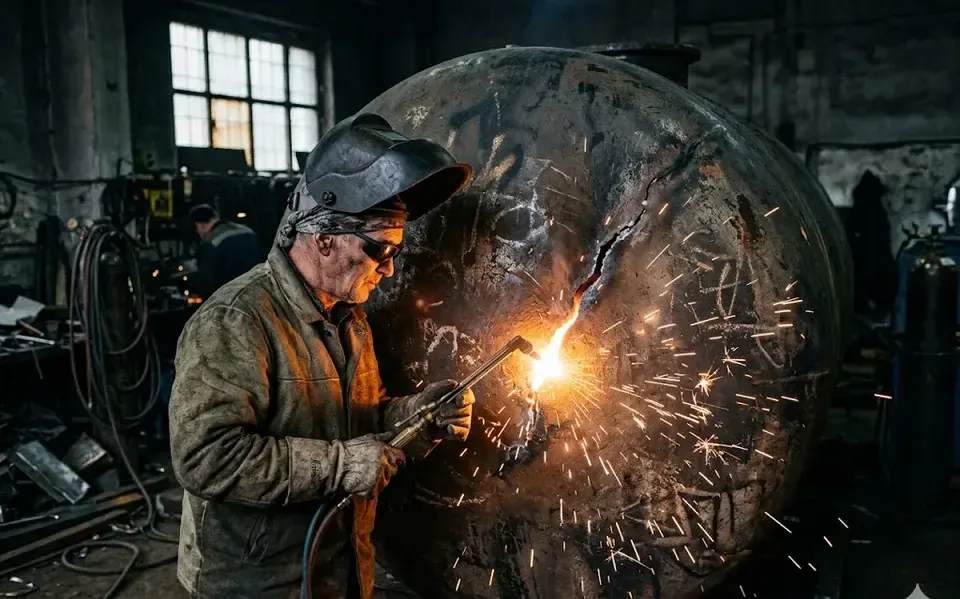
Repair of metal tanks
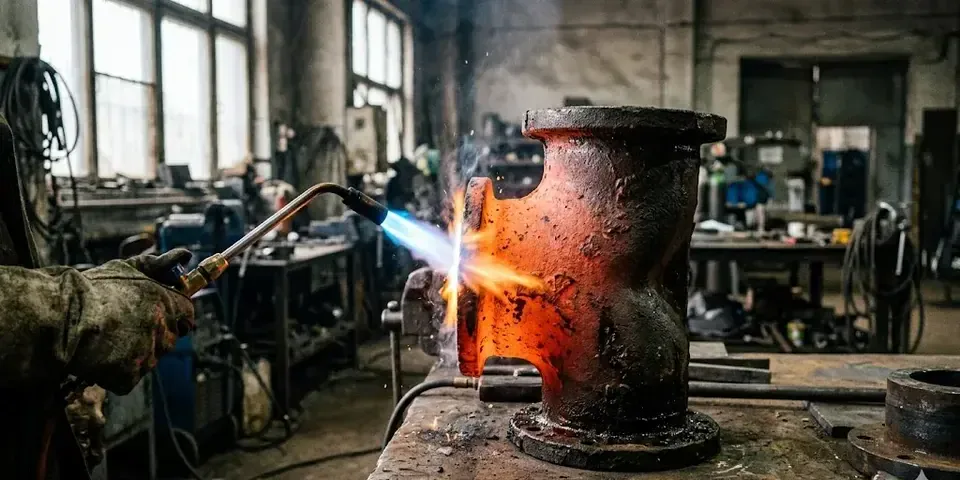
Welding of cast iron parts
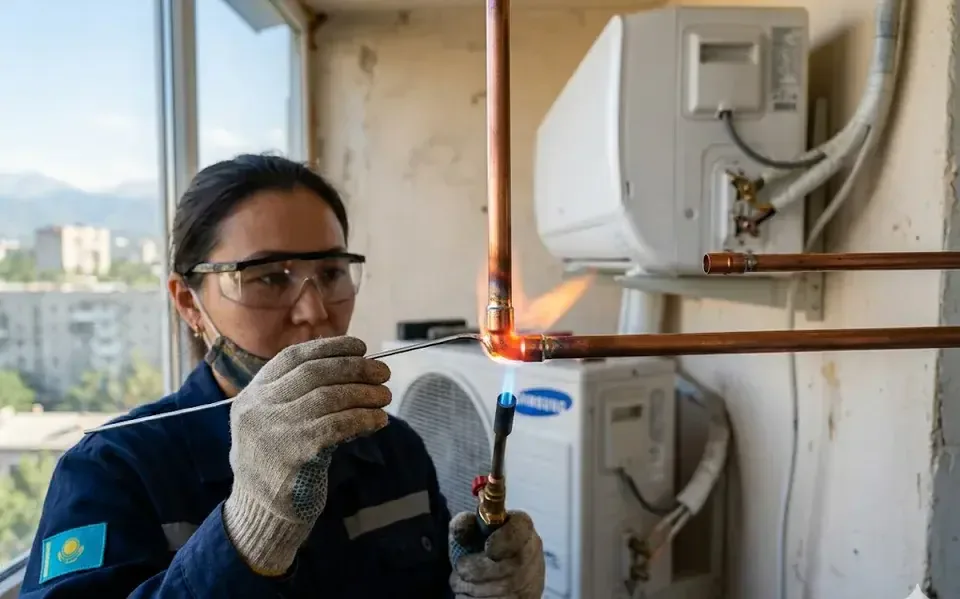
Brazing of copper pipelines
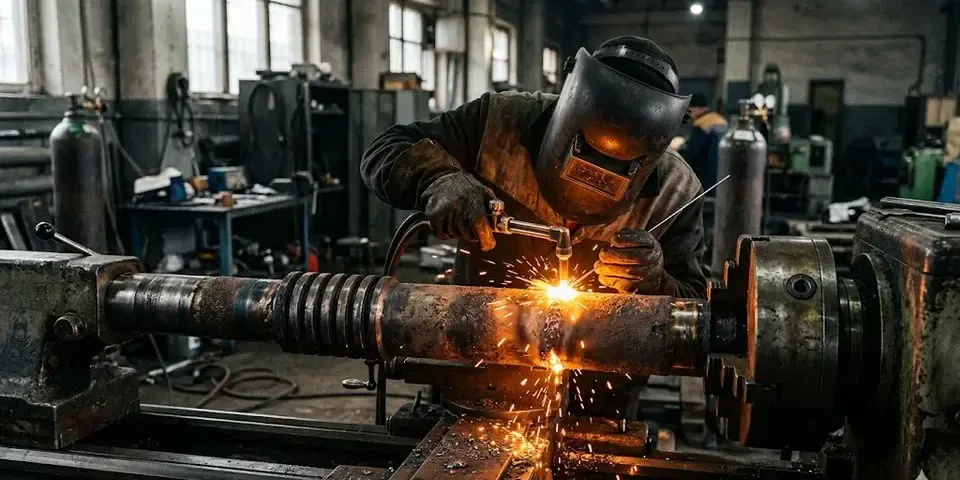
Surfacing of worn surfaces
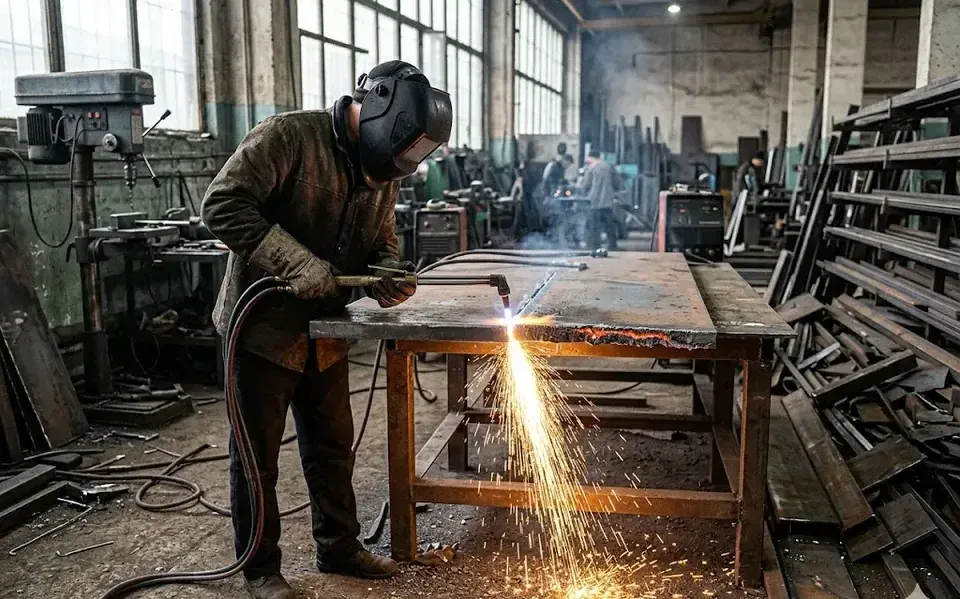
Oxygen metal cutting
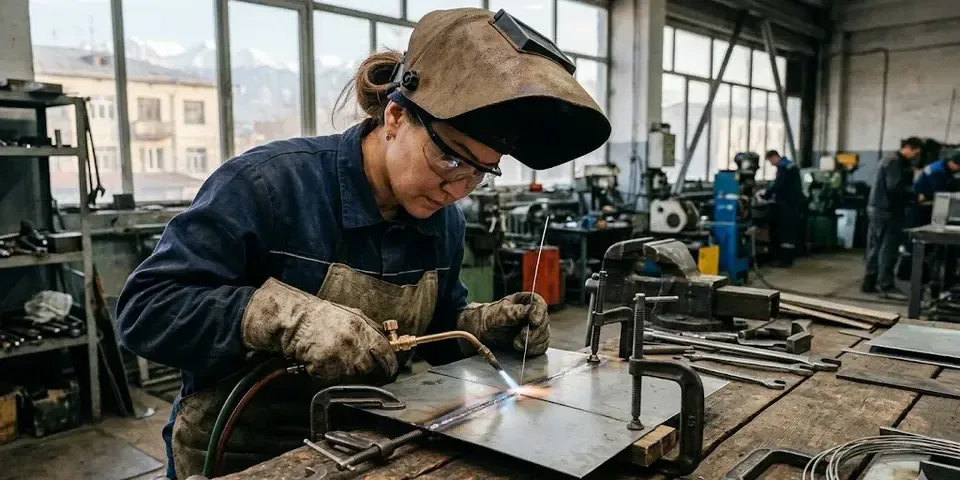
Thin-gauge steel welding
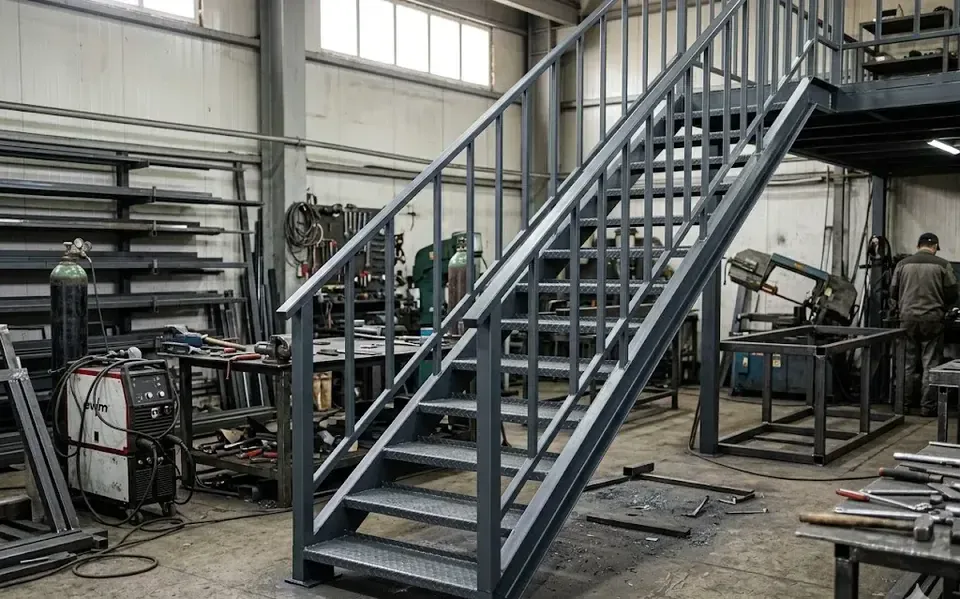
Manufacturing of steel structures
Types of welding
work we do
Gas pipe welding
Repair of metal tanks
Welding of cast iron parts
Brazing of copper pipelines
Manufacturing of steel structures
Oxygen metal cutting
Thin-gauge steel welding
Surfacing of worn surfaces
We will call you back within 3 minutes
Types of welding
work we do
Gas pipe welding
Repair of metal tanks
Welding of cast iron parts
Manufacturing of steel structures
Surfacing of worn surfaces
Oxygen metal cutting
Thin-gauge steel welding
Brazing of copper pipelines
We will call you back within 3 minutes
Cost of GAS WELDING
IN ALMATY
| SERVICE | COST | TIME |
|---|---|---|
| Specialist visit (within the city) | from 5 000 ₸ | from 1 hour |
| Minimum order (callout + 1 hour of work) | from 10 000 ₸ | from 1 hour |
| Welding of metal structures (per metre of seam) | from 3 500 ₸ | from 2 hours |
| Heating/water supply pipe welding (butt joint) | from 4 000 ₸ | from 1 hour |
| Welding of aluminium parts (per item) | from 6 000 ₸ | from 2 hours |
| Welding stainless steel (per metre of weld) | from 5 000 ₸ | from 2 hours |
| Repair/restoration of parts (per spot) | from 2 500 ₸ | from 1 hour |
| Gas cutting of metal (per metre of cut) | from 2 000 ₸ | from 1 hour |
| Brazing of copper pipes (butt joint) | from 3 000 ₸ | from 1 hour |
| Preheating/heat treatment of parts (per hour of work) | from 4 000 ₸ | from 1 hour |
| Consumables (gas, filler rods) — extra charge | from 2 000 ₸ | as actually done |
Преимущества ГАЗОВОЙ СВАРКИ ОТ Profi‑Dom

Operation without electricity
We bring our own acetylene-oxygen station: we weld, braze and cut where there is no outlet 220 V

Gas welder, 12+ years of experience
We weld steel, cast iron, copper and brass; we select the flame, filler and flux according to the metal and thickness
Thin metal from 0,5 mm
The soft flame does not burn through a 0,5–3 mm sheet — we weld car bodies, tanks and thin pipes without deformation

Cast iron without cracks
We preheat the part to 500–600 °C and cool it in sand for 2–4 hours — the seam won't crack when heated

3-year warranty on the seam
A pinhole, crack, or lack of penetration — we will re-weld for free. We check tanks and tubes by pressure testing

Price before work starts
Repair of parts — from 2 500 ₸ per spot, structures — per meter of weld; we quote based on a photo
Преимущества ГАЗОВОЙ СВАРКИ ОТ Profi‑Dom
We bring our own acetylene-oxygen station: we weld, braze and cut where there is no outlet 220 V
Operation without electricity
We weld steel, cast iron, copper and brass; we select the flame, filler and flux according to the metal and thickness
Gas welder, 12+ years of experience
The soft flame does not burn through a 0,5–3 mm sheet — we weld car bodies, tanks and thin pipes without deformation
Thin metal from 0,5 mm
We preheat the part to 500–600 °C and cool it in sand for 2–4 hours — the seam won't crack when heated
Cast iron without cracks
A pinhole, crack, or lack of penetration — we will re-weld for free. We check tanks and tubes by pressure testing
3-year warranty on the seam
Repair of parts — from 2 500 ₸ per spot, structures — per meter of weld; we quote based on a photo
Price before work starts
We will call you back within 3 minutes
Преимущества ГАЗОВОЙ СВАРКИ ОТ Profi‑Dom
We bring our own acetylene-oxygen station: we weld, braze and cut where there is no outlet 220 V
Operation without electricity
We weld steel, cast iron, copper and brass; we select the flame, filler and flux according to the metal and thickness
Gas welder, 12+ years of experience
The soft flame does not burn through a 0,5–3 mm sheet — we weld car bodies, tanks and thin pipes without deformation
Thin metal from 0,5 mm
We preheat the part to 500–600 °C and cool it in sand for 2–4 hours — the seam won't crack when heated
Cast iron without cracks
A pinhole, crack, or lack of penetration — we will re-weld for free. We check tanks and tubes by pressure testing
3-year warranty on the seam
Repair of parts — from 2 500 ₸ per spot, structures — per meter of weld; we quote based on a photo
Price before work starts
We will call you back within 3 minutes
HOW WE WORK
- 01.Photo and calculation
Send a photo of the part — we will call back within 3 minutes and give the price for a seam, joint, or part.
- 02.Trip with a post
The master arrives with cylinders and a torch and sets up the station in 15 minutes — no outlet needed.
- 03.Inspection and estimate
We determine the metal and thickness, select the filler and flux — we fix the price before work begins.
- 04.Contract and warranty
We specify the price, term, and 3-year warranty on the seam — for tightness and joint strength.
- 05.Metal preparation
We clean the edges to a shine and cut out the crack; we heat cast iron with a torch to 500–600 °C.
- 06.Welding or soldering
We weld with an acetylene-oxygen flame, braze copper and brass with borax — the seam is tight, without pores.
- 07.Slow cooling
We cool cast iron parts in sand for 2–4 hours, clean steel welds and prime them against corrosion.
- 08.Inspection and handover
We check tanks, tubes and radiators by pressure testing, sign the act — from this date the warranty is 3 year.
Find out the cost and timeline for gas welding in 1 minutes
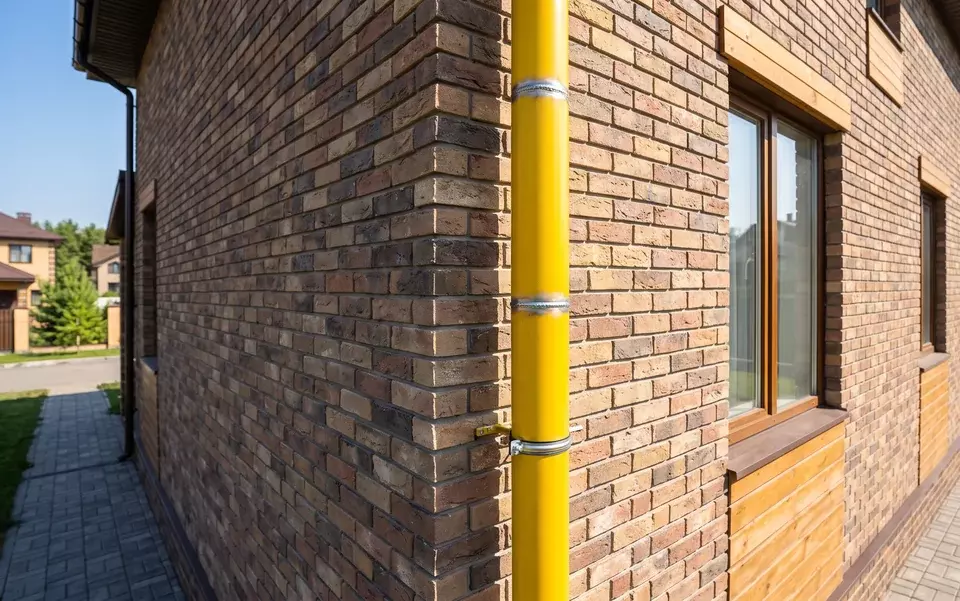
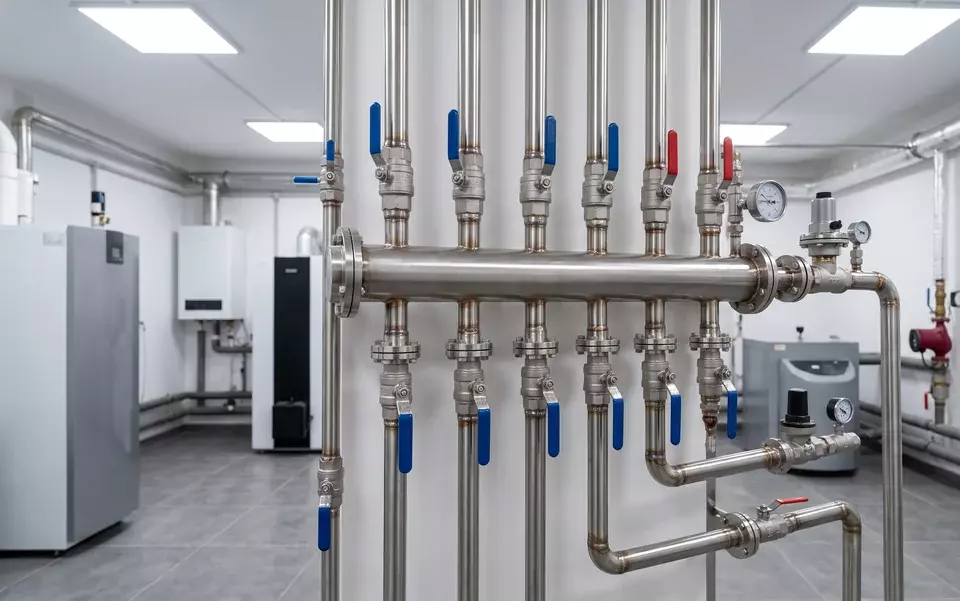
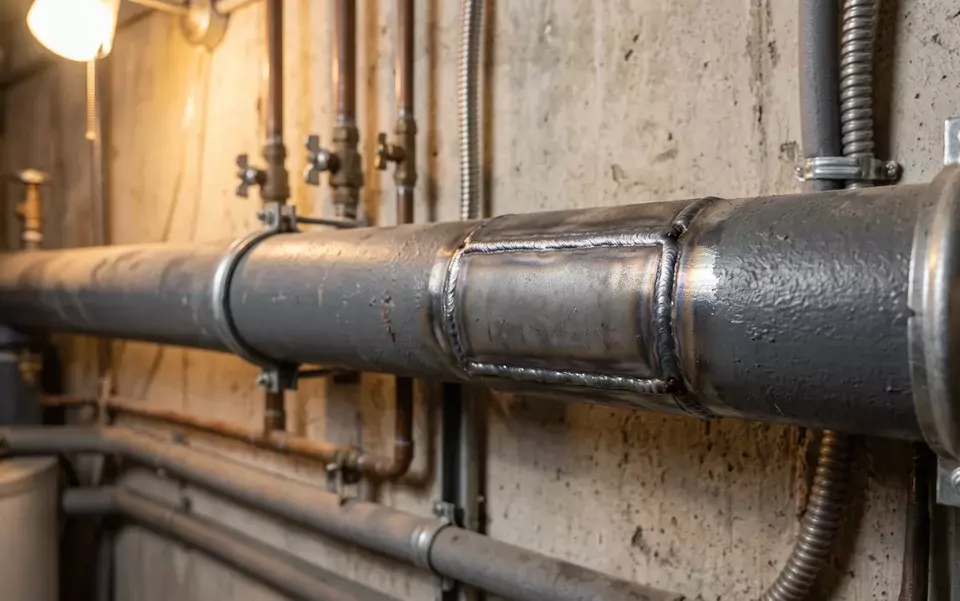
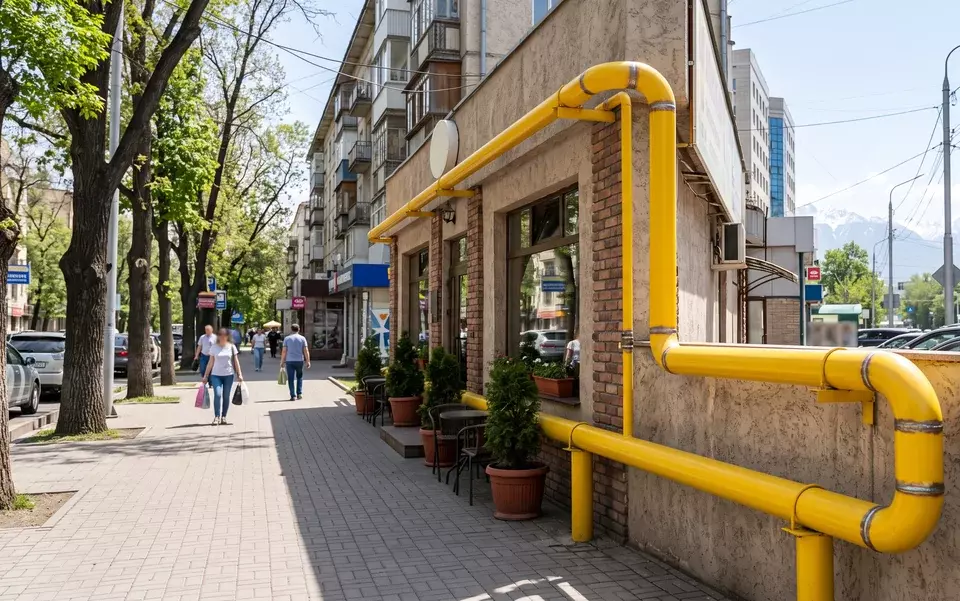
catalogue of completed welding work

FIND OUT THE COST OF WELDING WORK FOR YOUR PROJECT
Leave a request and we will contact you within 3 minutes
Thank you! We will contact you within 3 minutes.
By clicking the button you agree to the terms of the
Or call us at
+7 (707) 068-88-68Privacy PolicyFIND OUT THE COST OF WELDING WORK FOR YOUR PROJECT
Leave a request and we will contact you within 3 minutes
Thank you! We will contact you within 3 minutes.
By clicking the button you agree to the terms of the
Or call us at
+7 (707) 068-88-68Privacy PolicyFIND OUT THE COST OF WELDING WORK FOR YOUR PROJECT
Leave a request and we will contact you within 3 minutes
Thank you! We will contact you within 3 minutes.
By clicking the button you agree to the terms of the
Or call us at
+7 (707) 068-88-68Газовая сварка в Алматы от PROFI‑DOM: металлы, цены, гарантия
Gas welding at the PROFI-DOM workshop is oxy-acetylene, without electricity: it is suitable for thin metal, copper, brass, and cast iron. We weld, braze, surfacing, and cut with gas in Almaty and with on-site visits across the city (from 5 000 ₸). Repair of parts — from 2 500 ₸ per point, copper pipe brazing — from 3 000 ₸ per joint, warranty on the seam — 3 years.
Published: 21 · Updated:
Why gas welding is better than electric welding and argon
We explain why this method remains the optimal choice for thin sheet, non-ferrous metals and work without electricity. We compare it with arc and TIG welding on key parameters.
Differences from electric welding — a soft flame with no burn-through
An acetylene-oxygen flame does not require electricity and provides gentle heating that does not burn through thin metal — unlike an electrode, which makes a hole in a 0.5–1 mm sheet in a second. The electric arc heats the zone to 5000 °C, while the temperature of the gas flame is regulated by the torch tip number from 1200 to 3150 °C, which allows welding steel from 0.5 to 5 mm without the risk of burn-through. When welding car body metal, the leftward method (right to left) gives less heating of the part than the rightward one and reduces panel deformation. We weld thin 0.5–3 mm steel sheet specifically with gas, because the flame is visible visually — the craftsman controls the molten pool, not a blind arc. For repairing thin-walled pipes and body elements, this method is safer: you control heating by the color of incandescence, not by current strength, which eliminates through burn-through in complex areas.
Gas or argon — what to choose for non-ferrous metals
For copper, brass and bronze, treatment with borax flux gives a dense seam without pores, while argon-arc TIG requires expensive equipment and thorough cleaning of the metal — the slightest oxide on brass causes cavities in the seam. When brazing copper air conditioner tubes with a torch and a phosphor copper filler rod (CW009A), a temperature of 600–700 °C is sufficient for capillary filling of the gap, whereas the same part is welded with argon at 1000 °C, risking burning through the wall. On brass parts, brazing with borax and an L63 brass rod gives a tensile strength of 350–400 MPa — almost like the base metal, while argon on brass requires mode selection and often causes porosity due to zinc evaporation. If you need to braze a copper air conditioner tube or braze brass to copper — brazing is faster and cheaper than argon, and the joint strength is not inferior, and we do such work with an on-site visit within an hour.
Why gas is suitable for thin metal
We gas-weld steel sheet from 0.5 mm — the flame is regulated by power by changing the torch tip, and the seam comes out neat, without burn-throughs and deformation typical of an electrode. On a 0.8 mm sheet (typical body thickness), an acetylene-oxygen flame with a №1 tip produces a weld pool 3–5 mm wide, whereas a 2 mm electrode burns through the metal even at the minimum current of 40 A. The leftward welding method (right to left) on thin sheet reduces heating of the part by 15–20% compared to rightward, which is especially important when repairing fenders and sills without warping the panel. Unlike a MIG/MAG semi-automatic, this method does not require expensive wire and shielding gas in canisters — acetylene and oxygen are enough, providing a stable flame for sheet up to 3 mm inclusive.
Comparison of welding types for typical tasks
| Parameter | Gas (oxy-acetylene) | Arc welding | Tungsten inert gas welding (TIG) |
|---|---|---|---|
| Thin sheet 0.5–3 mm | No burn-through, soft flame | Burns through, requires experience | Clean seam, but expensive |
| Copper and brass | With borax flux, tight seam | Not suitable | Requires clean metal |
| Cast iron | With preheating, no cracks | Cracks from overheating | Difficult and time-consuming |
| Operation without electricity | Yes, fully self-contained | No | No |
| Equipment cost | Low | Medium | High |
For on-site work without electricity at the site, this method is the only option if you need reliable work with thin sheet or non-ferrous metal.
Which metals and products can be welded and brazed with gas
Gas welding in Almaty is in demand for thin sheet, non-ferrous metals, heating pipes, tanks and fuel tanks — the acetylene-oxygen flame provides gentle heating without burn-through or cracks.
Thin steel sheet and automotive body metal
We gas-weld steel sheet from 0,5 to 3 mm — this covers car bodies, thin-walled pipes, housings and tanks. An electrode burns through metal thinner than 1,5 mm, while a gas flame heats the edges evenly and the seam lays down without undercuts or spatter. In body repairs on Japanese and European cars — Toyota Camry, Hyundai Tucson, Mercedes W203 — — burn-throughs in sills, arches and the underbody are common, and these are gas-welded without deforming adjacent panels. For body repairs this method is convenient because the metal can be straightened with the flame immediately after the seam — without separate heating, which saves 15–20 minutes at each straightening point.
Copper, brass, bronze and galvanised steel
We braze air-conditioning and heating copper tubes with gas using borax flux — the joint is airtight and holds pressure up to 20 atm. Brass fittings and bronze bushings need their own filler: brass is welded with a brass rod and borax on an oxidising flame, bronze — with a bronze rod on a neutral flame. Galvanised steel is welded with steel wire on a neutral flame, but quickly, so as not to burn off the zinc — otherwise corrosion will start at the joint. Brazing brass and bronze with gas is harder than copper — precise flame adjustment is needed to avoid overheating and burning off the zinc, otherwise the joint becomes porous and breaks under load.
Heating and water supply pipes and tanks
We weld and braze steel and copper heating and water pipes with gas — the connection is stronger than a threaded one and does not leak. Steel pipes Du 15–50 mm are welded with Sv-08 steel wire on a normal flame, copper — with a copper rod with borax on a weak oxidizing flame. In Almaty houses, cracks often occur in MS-140 cast iron radiators and steel expansion tanks — they are welded with a cast iron rod or brass with preheating of the part to 500–600 °C. Tanks and heating radiators often leak along the seam or at the nipple weld — with gas, the crack can be welded without disassembling the entire assembly, right on the wall or in the basement.
Fuel tanks — safe gas welding
We weld fuel tanks with gas only after steaming and vapor control — the flame does not produce sparks, unlike an electrode. The procedure is mandatory: the tank is washed with water and detergent, steamed for 20–30 minutes, then the residual gasoline or diesel vapors are checked with a gas analyzer. At the acetylene-oxygen station, check valves on the torch and regulator prevent flashback, and the flame does not create an electric arc that could ignite the environment inside the tank.
Table — metal, filler and welding mode
| Metal | Filler rod | Flux | Flame |
|---|---|---|---|
| Thin sheet steel | Steel wire Sv-08 | Not needed | Normal |
| Copper | Copper rod | Borax | Oxidising (weak) |
| Brass | Brass rod | Borax | Oxidising |
| Bronze | Bronze rod | Borax | Normal |
| Cast iron | Cast iron rod or brass | Borax | Normal (with preheating) |
| Galvanised | Steel wire | Not needed | Normal (fast) |
Choosing the wrong filler or flux is the most common cause of defects in gas welding of non-ferrous metals: the seam comes out porous or cracks on cooling.
Gas welding of cast iron — a crack-free technique
Cast iron is a capricious metal: when welding with an electrode it cracks due to temperature differences. Gas welding with preheating solves this problem — the seam is tight and without cracks.
Why cast iron cracks during welding and how to prevent it
Cast iron cracks during welding because of a sharp temperature difference — if only the weld area is heated, the metal around it stays cold and shrinks, creating internal stresses. With arc welding, the heated zone is narrow and fast: the cast iron around the weld expands unevenly, and microcracks form in the cooling metal, which over a couple of heat-cool cycles turn into through defects. This is especially pronounced on complex-shaped parts — cast iron tanks, radiators, engine blocks, where wall thickness varies and some areas cool faster than others. Preheating the entire part to 500–600°C solves this problem — then the weld cools evenly and without cracks, because the metal around it is at the same temperature as the weld area.
Hot cast iron welding technology — step by step
We heat the cast-iron part with a gas torch to 500–600°C — the metal turns dark cherry-red, the signal that welding can begin. We use an oxy-acetylene flame with a neutral gas ratio (1:1) so as not to overburn the surface — as filler we take an MNCh-1 cast-iron rod 4–6 mm in diameter, or an L63 brass rod if a ductile seam is needed. The flux is technical borax (sodium tetraborate), applied to the filler before welding: it dissolves the cast-iron oxides and prevents porosity in the seam. After the seam is completed, the part must not be cooled with water or in a draught — we wrap it in sand or asbestos cloth, and it cools for 2–4 hours to room temperature; at PROFI-DOM this condition is always observed, otherwise the seam cracks at the very first heating.
What cast iron items can be welded — tanks, blocks, housings
We weld cast iron toilet tanks, heating radiators, engine blocks, pump housings and machine beds — any parts where tightness and joint strength are required. On tanks and radiators, cracks usually run along the casting from impact or temperature changes — we bevel the edges at 45°, clean to a shine and weld with preheating to 500°C so the joint withstands water pressure. In engine blocks and pump housings, the cast iron is denser (СЧ20-СЧ25), so a brass filler with flux is needed — the joint becomes ductile and does not crack under vibration. A crack in a cast iron tank or radiator is not a death sentence: welding with preheating restores the part and it serves for years more, and we undertake to weld any cast iron assembly with a tightness guarantee.
How much does cast iron welding cost in Almaty
We charge for cast iron repair with gas per point — from 2 500 ₸, the price depends on the metal thickness and the difficulty of accessing the crack. Thin-walled tanks (3–5 mm) cost less, thick-walled blocks and housings (8–15 mm) cost more because more filler and heating time are required. A gas welder's visit around the city is an additional 5 000 ₸, with no surcharge for the district (Aksai, Alatau, center). If the part can be removed and brought to the workshop, it is cheaper than a visit because you don't pay for travel and on-site preparation, and we calculate the cost precisely by the seam without hidden markups.
Gas brazing, surfacing and cutting — when needed
The torch allows you not only to weld but also to solder, hard-face and cut metal. We break down the three related operations and explain which one is needed for which repair.
Brazing — when to braze rather than weld
Soldering is a connection without melting the base metal: we heat the part to 450–900 °C and melt the solder (copper, brass or silver rod), which fills the gap due to the capillary effect. The base metal remains solid — no burn-through, deformation or scale, as with welding. This is how we solder copper air conditioner tubes, aluminium heat exchangers, brass nipples and cast iron radiator tanks — any thin-walled parts where melting through the wall with an electrode would almost certainly burn the product. For repairing a heating radiator or a copper tube, soldering provides a hermetic seam without the risk of burn-through and often saves the part from replacement.
Surfacing — restoring worn parts
Surfacing is the application of a metal layer onto a worn surface: we deposit brass or steel onto shafts, axles, seats and gear teeth, restoring the original size without replacing the part. Unlike electrode surfacing, a gas flame heats slowly and evenly — there is no arc that burns out alloying elements and leaves slag in the seam. Such surfacing gives a denser and more wear-resistant layer than electrode surfacing — because there is no slag and no pores from the electrode coating, which is critical for friction surfaces.
Oxygen metal cutting
Cutting is the heating of metal to the combustion temperature (about 1100 °C) and supplying a stream of oxygen from a cutting torch, which burns the metal along the cut line, leaving a clean edge without burrs. A cutting torch can cut steel up to 100 mm thick — for dismantling metal structures, cutting thick-walled pipes and sheets, this is faster and cheaper than an angle grinder with an abrasive wheel. With a cutting torch we cut channels for floors and dismantle old boilers — the oxygen stream passes through thick metal in seconds, while an angle grinder on a 100- mm sheet will saw for an hour and overheat the motor. If you need to cut a steel beam or cut a hole in a thick sheet — cutting will do it in minutes and without vibration, unlike an angle grinder.
Brazing or welding — which to choose for a repair
| Parameter | Soldering | Welding |
|---|---|---|
| Heating temperature | 450–900 °C (the filler metal melts, the base metal does not) | 1200–1500 °C (the base metal melts) |
| Deformation of the part | Minimal — no heat-affected zone | Possible with thin sheet up to 1,5 mm |
| Weld tightness | High due to the capillary effect | High due to penetration of the edges |
| Tensile strength | Medium — up to 200 MPa (the solder is softer) | High — up to 400 MPa (base metal) |
| Typical tasks | Copper tubes, radiators, tanks, aluminium heat exchangers | Body metal, frames, thick sheet, cast iron housings |
Gas welding prices in Almaty — a transparent model
We explain what the price of gas welding consists of — per seam, per part, per visit — and how much customers actually pay around the city. Work in our workshop is priced transparently — per point, per meter of seam, per part or pipe joint, with an estimate before work begins.
How we calculate the price — per seam, per part, per joint
Base price — from 2 500 ₸ per point when repairing parts, from 3 500 ₸ per meter of seam on structures; soldering a copper pipe joint — from 3 000 ₸, welding a heating pipe joint — from 4 000 ₸, a separate part — from 6 000 ₸ per item. This approach lets you pay exactly for the scope of work rather than for an "hour of a welder's work", where the hour can be stretched out. For tanks and radiators we take a fixed price per part — from 6 000 ₸, more precisely depending on size and material; on fuel tanks we add preparation (washing, draining) — another 1000–2000 ₸. At the PROFI-DOM workshop we always quote the price before work begins — from photos or after inspection, so there are no surprises.
Price table for the main types of work
| Labour | Metal or operation | Unit | Price from, ₸ |
|---|---|---|---|
| Welding of steel structures | Steel | metre of weld | 3500 |
| Repair of thin sheet, car body, cast iron | 0.5–3 mm steel, cast iron with preheating | point | 2500 |
| Brazing of copper tubing | Copper | butt joint | 3000 |
| Radiator brazing | Brass/copper | part | 6000 |
| Heating pipe welding | Steel/copper | butt joint | 4000 |
| Fuel tank repair welding | Steel | part | 6000 |
| Gas cutting | Steel up to 10 mm | m of cut | 2000 |
| On-site visit in Almaty | — | visit | 5000 |
| Minimum order (callout + 1 hour of work) | — | order | 10000 |
How much does a gas welder call-out cost within the city
A visit within the city — from 5 000 ₸ to any district, from Bostandyk and Medeu to Alatau and Nauryzbai; this amount includes equipment delivery. If our welder comes with an acetylene-oxygen station and cylinders, the surcharge for the district does not change — a fixed amount, and on site the specialist welds, solders, or cuts without additional markups for the “first hour.” If there is a lot of work (more than an hour), the visit may not be charged separately — we include it in the welding cost.
Urgent repairs and minimum order
The minimum order is 10 000 ₸: it includes the call-out and the first hour of work, and in an hour the technician can complete minor repairs — welding a burn-through on a car body or in a muffler, welding on a torn-off bracket, soldering a tube joint. An urgent call-out immediately after the call — with a 50% surcharge on the cost of work; if the part is brought to us, urgent repair without a markup. In practice, an urgent call-out is most often needed for burn-throughs in fuel tanks and burst heating pipes.
What affects the final price
The price is influenced by three factors: the thickness and type of metal (cast iron is more expensive than steel), the complexity of access to the weld location and the need for a site visit. Thin 0.5–1 mm sheet welds faster but requires more careful heating — so the price is the same as for 2–3 mm sheet. Cast iron requires preheating to 500–600 °C and slow cooling — this adds 30–40 minutes to the work and increases the cost. Hard-to-reach places (under the vehicle underbody, inside the radiator niche) — plus 20–30% to the price per weld due to the awkward position. If the part can be brought to the workshop — you will save from 5 000 ₸ on the site visit and get more precise work on stationary equipment.
How we work: equipment, process and city-wide callouts
We explain how the workshop operates — from the call to the finished seam, on site and in the workshop.
Our equipment — an acetylene-oxygen station
The PROFI-DOM workshop operates its own acetylene-oxygen station: gas cylinders (acetylene, oxygen, propane), regulators, hoses, a torch with a set of interchangeable tips and a cutter — we bring everything with us on site. For thin sheet we use tip №0–1 with low flame power, for copper and brass — №2–3 with heating up to 800 °C, and we connect the cutter to a separate oxygen cylinder to cut thick sheet in one pass. We use the propane-oxygen mixture for brazing copper pipes — it provides a softer flame without overheating the solder. On site we are fully autonomous — no socket needed, no compressor needed, only cylinders and the craftsman's hands.
How to order welding in Almaty — step by step
We weld both in the workshop and on-site across the city — from the call to the finished seam. Based on a photo of the part on WhatsApp, we quote the price and agree on a time; we come out on the day of request or the next day within the city. If the part is large — a radiator tank, a body element, a cast-iron housing — the master arrives with his own station by car and sets up the gas equipment on-site in 15 minutes. For small seams (a cracked bracket, a crack in a pipe), it is faster to bring the part to the workshop — welding takes 10–20 minutes, no need to wait in line. We do not take prepayment for the visit; we fix the price after an on-site assessment.
Guarantee on every weld
The PROFI-DOM workshop provides a warranty on every seam — if a defect (pinhole, crack along the seam, lack of fusion) appears within 3 years, we re-weld for free. The warranty applies to the tightness and strength of the welded joint under normal operating conditions: pressure up to 6 atm for pipes, heating up to 150 °C for engine parts. Mechanical damage after welding — impact, bending, overload — is not our case, and it is easy to distinguish by the nature of the failure. Before handing over the work, we check the seam visually and with air pressure testing (for tanks and tubes) — this allows us to cut off hidden defects immediately, not a month later.
Conclusion
Gas welding remains a sought-after method for thin-walled parts, non-ferrous metals and work without electricity — it provides gentle heating without burn-through or cracks, which electric welding cannot achieve.
Key takeaways
- Versatility: this method joins ferrous and non-ferrous metals — cast iron, steel, aluminium, copper and brass — without changing equipment.
- Heating precision: the acetylene-oxygen flame allows work on parts from 0,5 mm thick without burning through or deforming them.
- Transparent pricing: the cost consists of weld length, metal thickness, and the need for a site visit — it is better to agree on the estimate before starting to avoid unexpected additional charges.
- Weld guarantee: a conscientious welder always gives a guarantee; its absence is a reason to be wary when choosing a contractor.