
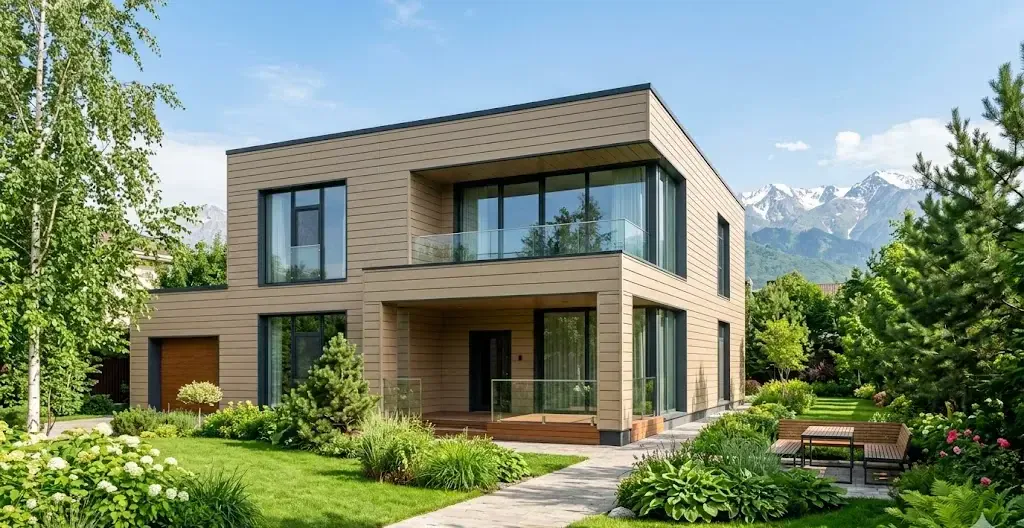
Metal siding cladding in Almaty
from 6 000 tg.* per linear metre
Durable, high-quality facade finishing thanks to compliance with building codes and the high qualifications of our craftsmen.
 Joints to GOST 5264-80
Installation from 1 day Arrival within 45 minutes
Installation from 1 day 3-year warranty
 Prices from 5000 ₸
Contract and estimate
Metal siding cladding in Almaty
from 6 000 tg.* per linear metre
Durable, high-quality facade finishing thanks to compliance with building codes and the high qualifications of our craftsmen.
Joints to GOST 5264-80
Installation from 1 day
Arrival within 45 minutes
Installation from 1 day
3-year warranty
Prices from 5000 ₸
Contract and estimate
Metal siding cladding in Almaty
from 6 000 tg.* per linear metre
Durable, high-quality facade finishing thanks to compliance with building codes and the high qualifications of our craftsmen.
Joints to GOST 5264-80
Installation from 1 day
Arrival within 45 minutes
Installation from 1 day
3-year warranty
Prices from 5000 ₸
Contract and estimate
Types of facade
work we do
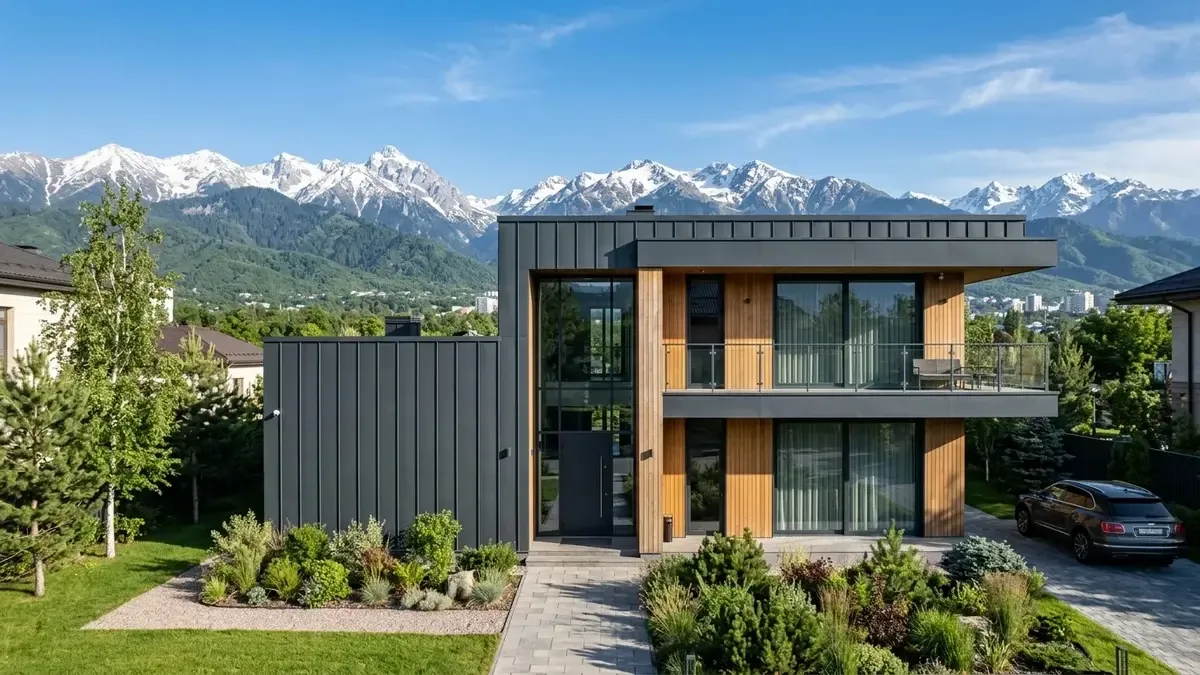
Facade cladding with metal siding
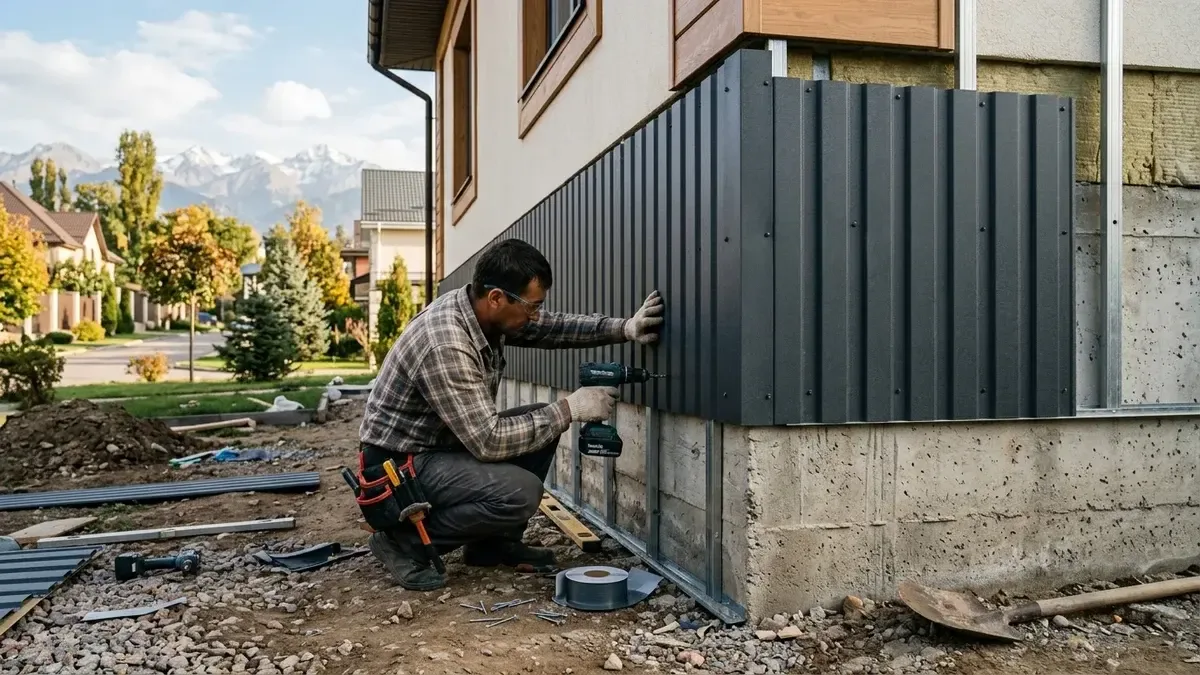
Cladding the plinth with metal siding
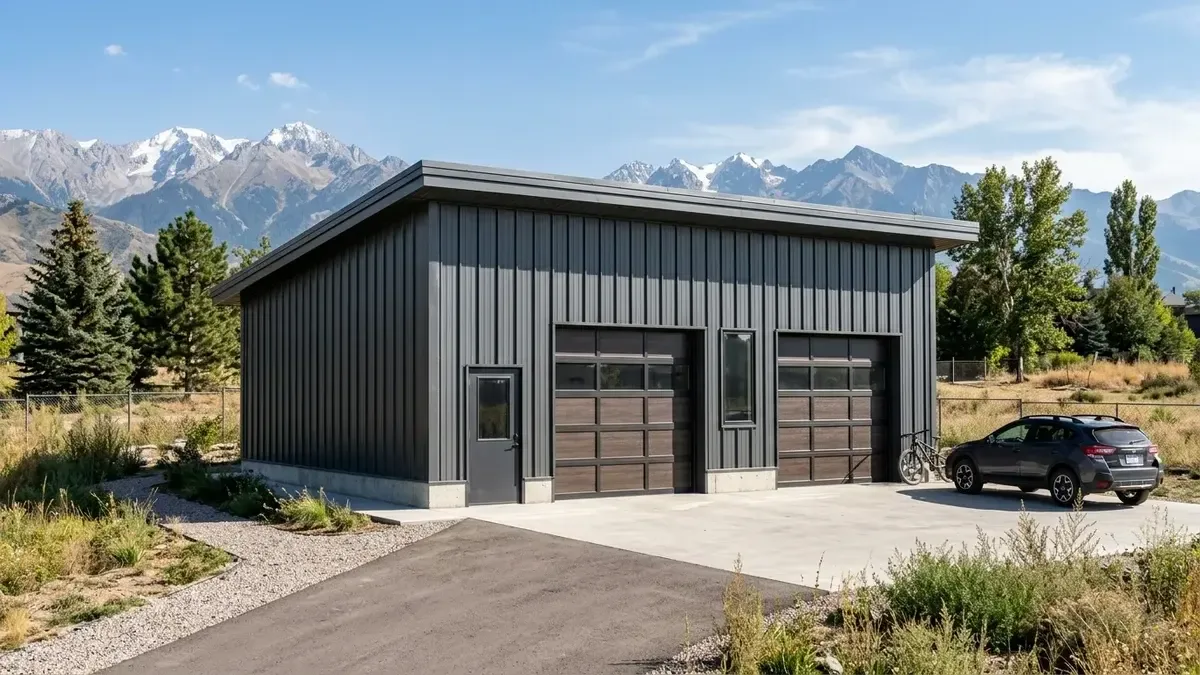
Cladding a garage with metal siding
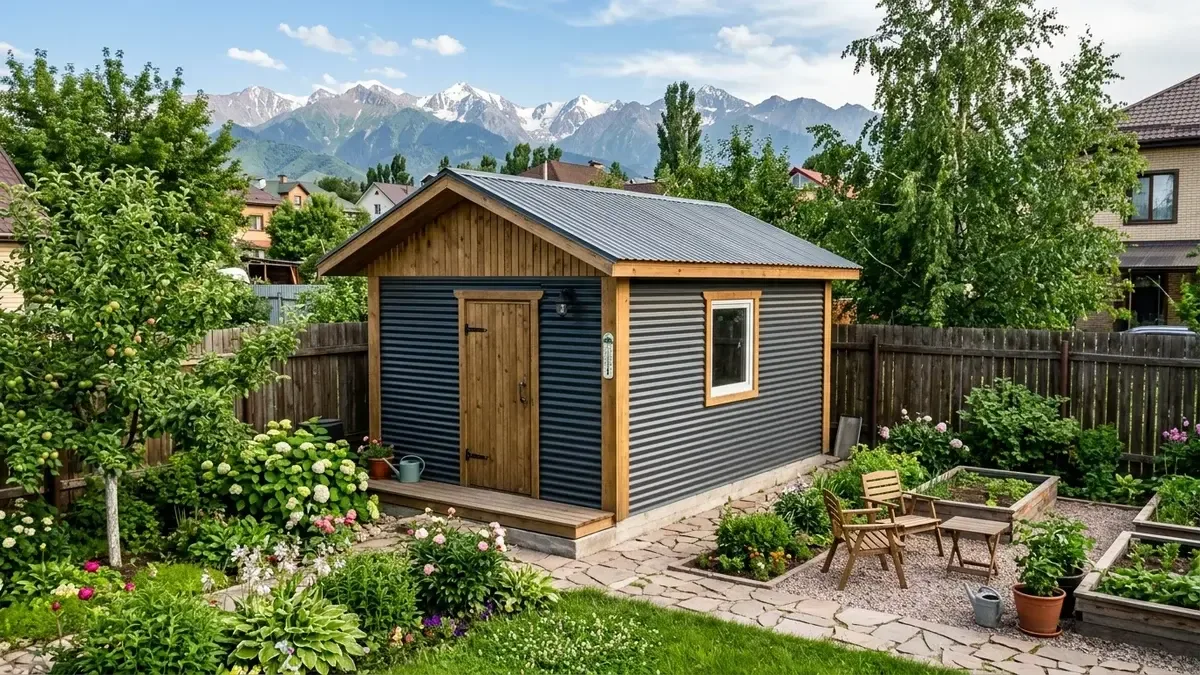
Cladding outbuildings
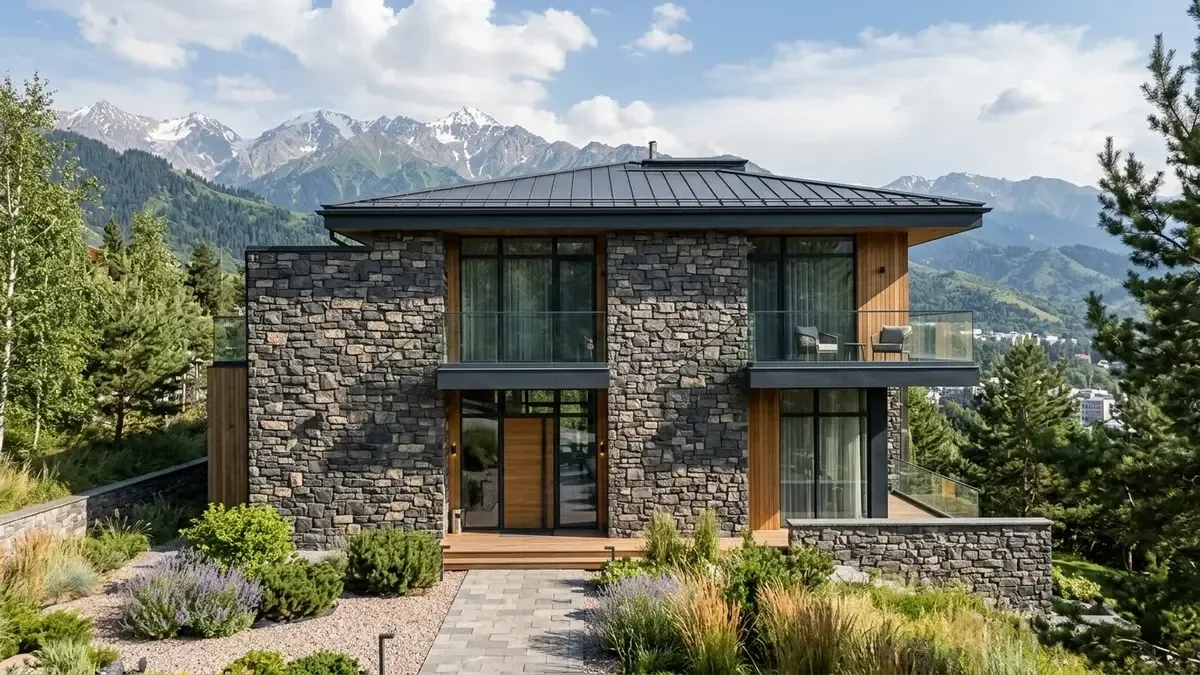
Installation of stone-look siding
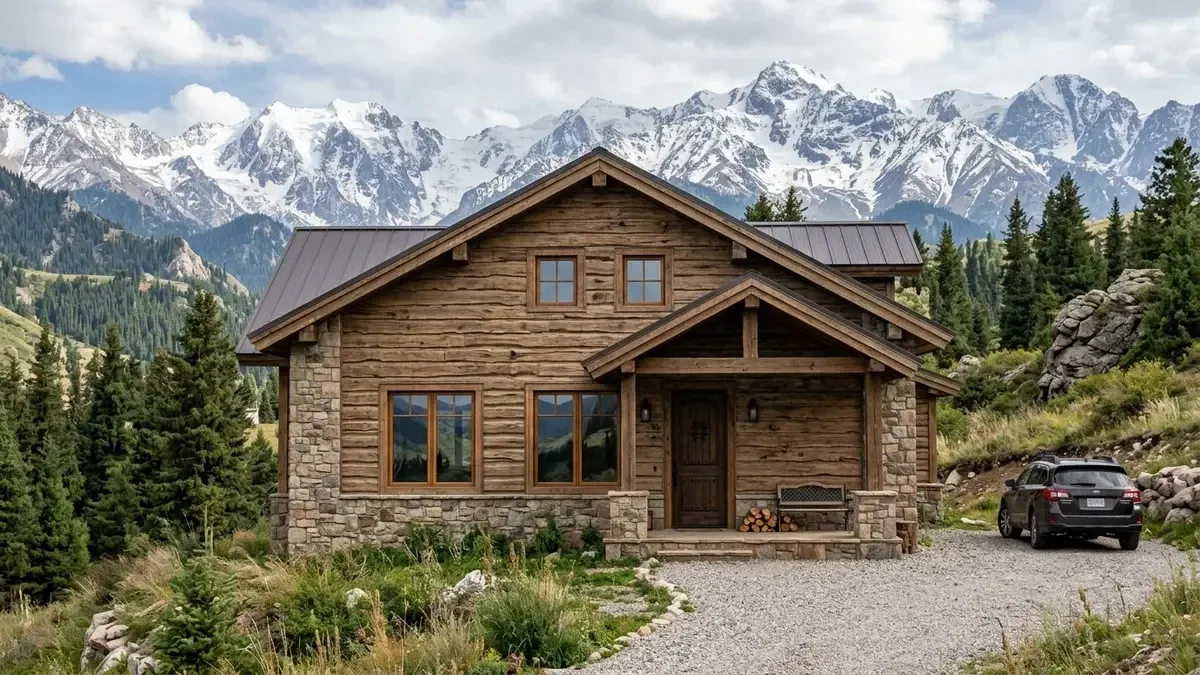
Installation of log-look siding
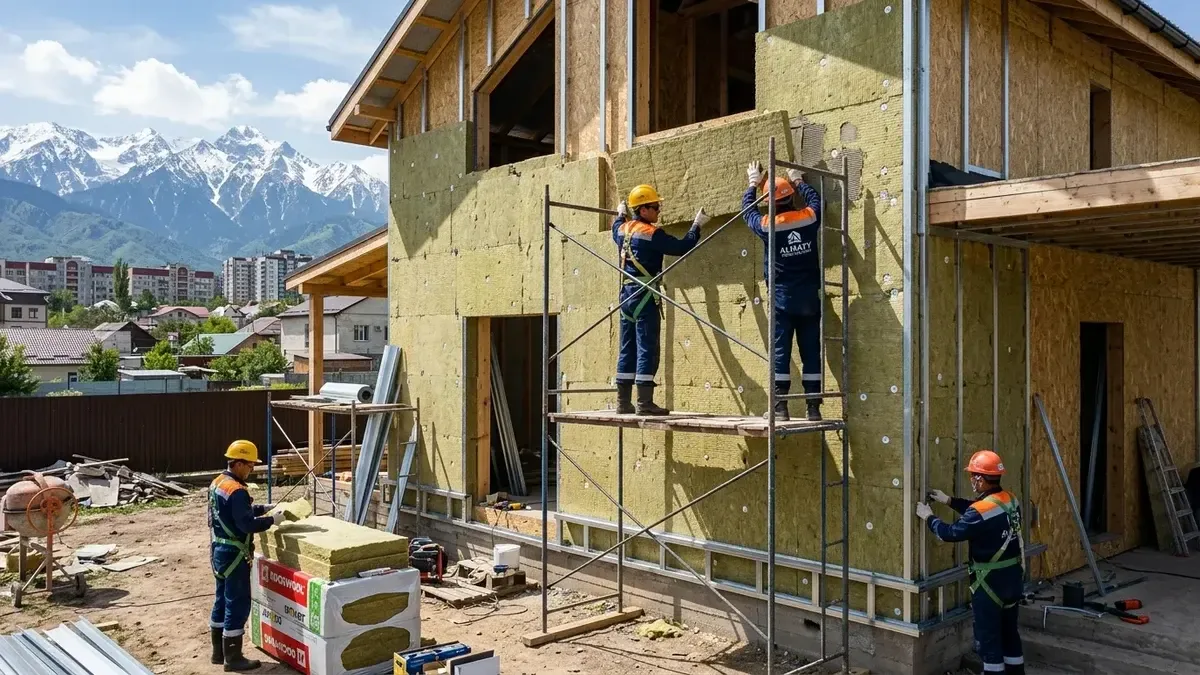
Facade insulation under siding
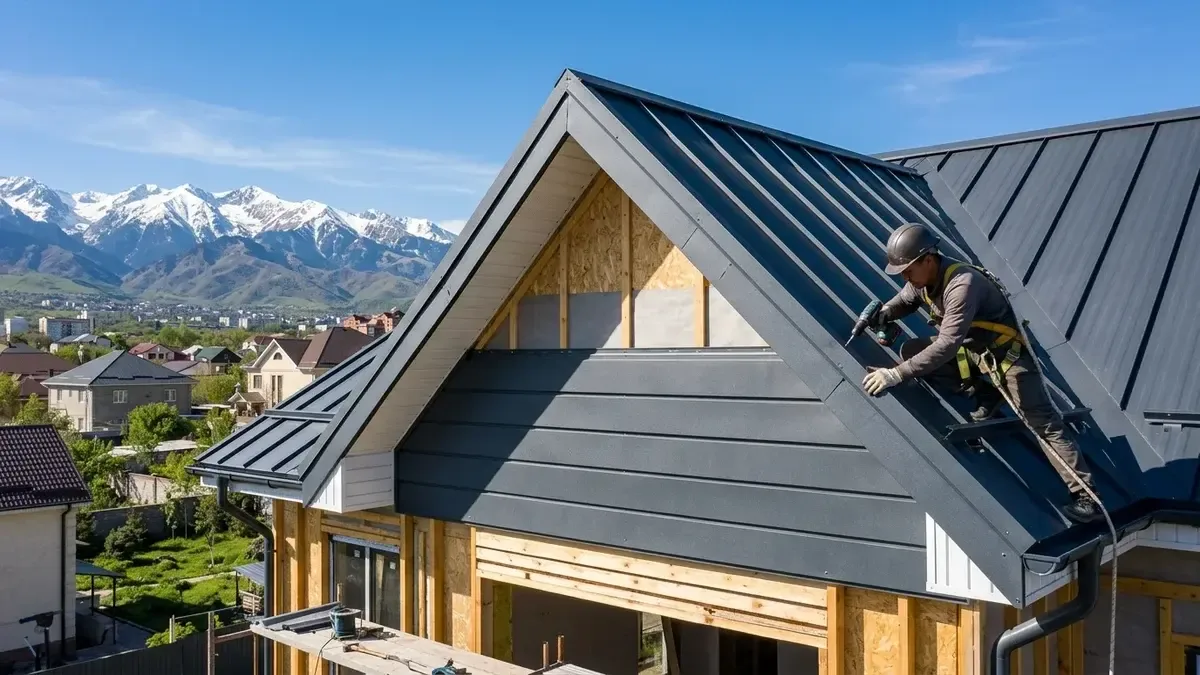
Cladding gables with metal siding
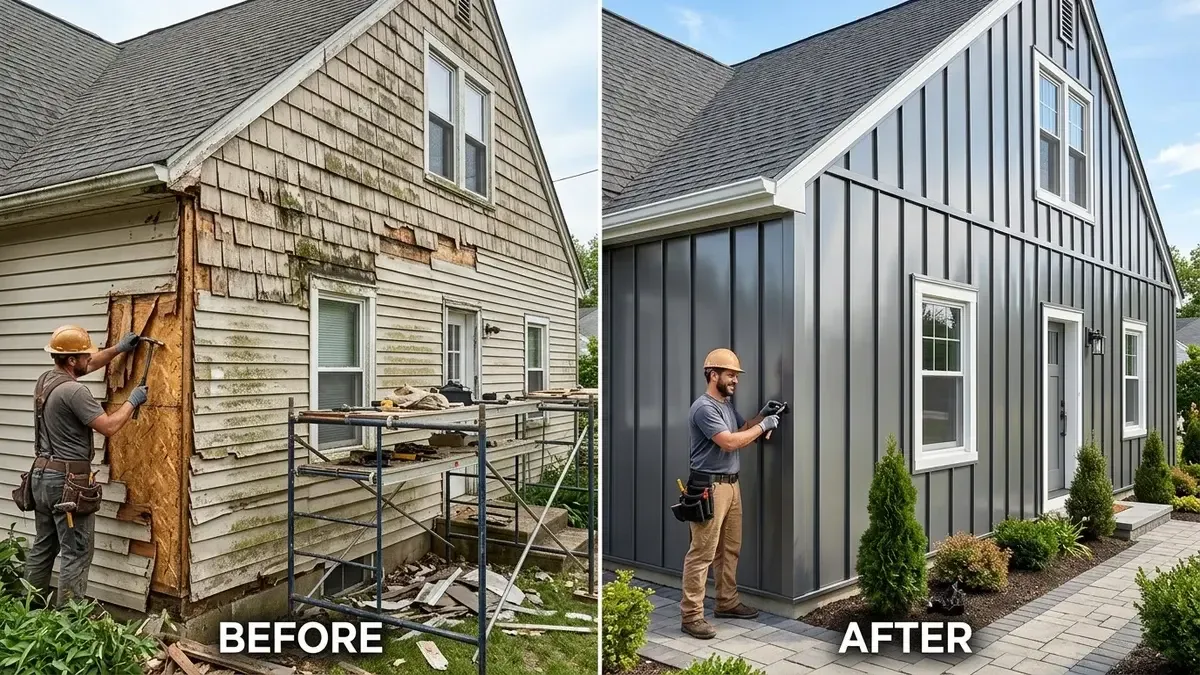
Repair and replacement of old siding
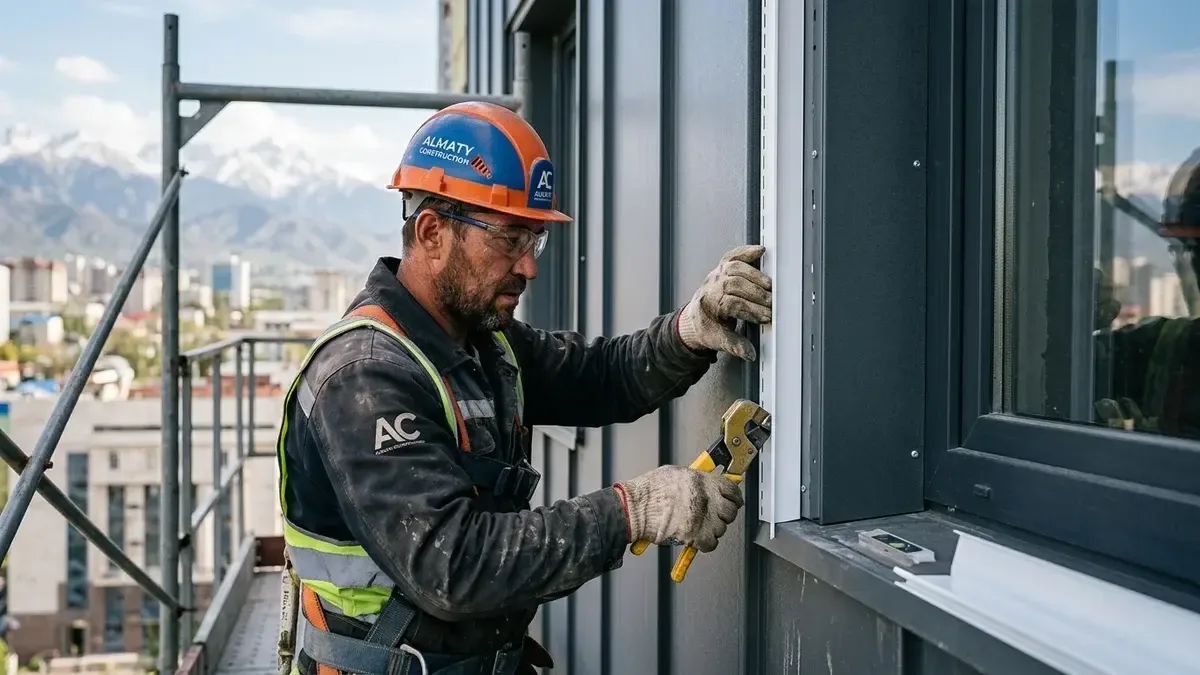
Installation of trim elements
Types of facade
work we do
Facade cladding with metal siding
Cladding the plinth with metal siding
Cladding a garage with metal siding
Cladding outbuildings
Installation of trim elements
Cladding gables with metal siding
Installation of log-look siding
Facade insulation under siding
Repair and replacement of old siding
Installation of stone-look siding
We will call you back within 3 minutes
Types of facade
work we do
Facade cladding with metal siding
Cladding the plinth with metal siding
Cladding a garage with metal siding
Repair and replacement of old siding
Installation of trim elements
Cladding gables with metal siding
Installation of stone-look siding
Installation of log-look siding
Facade insulation under siding
Cladding outbuildings
We will call you back within 3 minutes
Cost of facade work in
Almaty
| SERVICE | COST | TIME |
|---|---|---|
| Specialist's visit to the site (measuring + consultation) | from 3 000 ₸ | from 1 hour |
| Minimum order value | from 30 000 ₸ | — |
| Wall cladding (per 1 m²) | from 2 500 ₸ | from 2 days |
| Installation of plinth siding (per 1 m²) | from 3 000 ₸ | from 1 day |
| Installation of corner elements (per 1 linear m) | from 800 ₸ | from 2 hours |
| Installation of the starter strip (per 1 linear m) | from 500 ₸ | from 1 hour |
| Installation of battens (wood/metal, per 1 m²) | from 1 500 ₸ | from 1 day |
| Facade insulation (per 1 m²) | from 1 800 ₸ | from 1 day |
| Installation of drip flashings and reveals (per 1 linear m) | from 1 200 ₸ | from 2 hours |
| Installation of soffits (per 1 m²) | from 2 000 ₸ | from 3 hours |
| Dismantling old cladding (per 1 m²) | from 800 ₸ | from 1 day |
| Removal of construction waste | from 5 000 ₸ | from 1 hour |
Advantages of facade work from Profi-Dom

Neat joints with no chips
We use professional jointing tools that prevent damage to the tiles during laying

Certified craftsmen
Each specialist confirms their qualification with an annual exam in facade technologies

Equipment for a wet facade
We use industrial mixers and plastering stations that ensure even application of the layers

Meeting the finishing deadlines
The average cycle of turnkey facade work takes 21 working days on a weekly schedule

5-year
warranty on the facade
We fix our obligations in a contract, including protection against plaster peeling and fastener corrosion

Transparent estimate in ₸
We fix the cost of materials and work in the estimate, with no hidden markups or extra charges
Advantages of facade work from Profi-Dom
We use professional jointing tools that prevent damage to the tiles during laying
Neat joints with no chips
Each specialist confirms their qualification with an annual exam in facade technologies
Certified craftsmen
We use industrial mixers and plastering stations that ensure even application of the layers
Equipment for a wet facade
The average cycle of turnkey facade work takes 21 working days on a weekly schedule
Meeting the finishing deadlines
We fix our obligations in a contract, including protection against plaster peeling and fastener corrosion
5-year
warranty on the facade
We fix the cost of materials and work in the estimate, with no hidden markups or extra charges
Transparent price in KZT
We will call you back within 3 minutes
Advantages of facade work from Profi-Dom
We use professional jointing tools that prevent damage to the tiles during laying
Neat joints with no chips
Each specialist confirms their qualification with an annual exam in facade technologies
Certified craftsmen
We use industrial mixers and plastering stations that ensure even application of the layers
Equipment for a wet facade
The average cycle of turnkey facade work takes 21 working days on a weekly schedule
Meeting the finishing deadlines
We fix our obligations in a contract, including protection against plaster peeling and fastener corrosion
5-year
warranty on the facade
We fix the cost of materials and work in the estimate, with no hidden markups or extra charges
Transparent price in KZT
We will call you back within 3 minutes
HOW WE WORK
- 01.Discussion and estimate
We visit the site or hold an online consultation to determine the scope of work precisely and prepare a transparent estimate with no hidden charges.
- 02.Visit for precise measurements
Our specialist comes at a time convenient for you, takes all the necessary measurements and records the features of the facade for a perfect fit of the material.
- 03.Creating the design and sketch
We develop a detailed cladding plan with a panel layout, so that you can see in advance how your house will look after installation.
- 04.Approval of the contract
In the contract we fix the final cost, the exact completion dates and the warranty obligations, so that you feel protected.
- 05.Preparation of materials
We order certified siding and all components, checking each batch for compliance with quality standards and colour.
- 06.Professional installation
Our craftsmen install the battens and fix the panels using a technology that prevents deformation and ensures a long facade service life.
- 07.Finishing and sealing
We carefully finish all corners, joints and openings, treating them with sealant to protect against moisture and draughts.
- 08.Handover of the site and cleanup
After the work is finished we remove the construction debris and carry out a final inspection together with you to make sure the result is flawless.
Find out the cost and timing of facade work in 1 minute
catalogue of completed facade work
 Facade insulation and plastering of a private house in the Alatau microdistrict
 Plinth cladding of a shopping centre on Abay Avenue
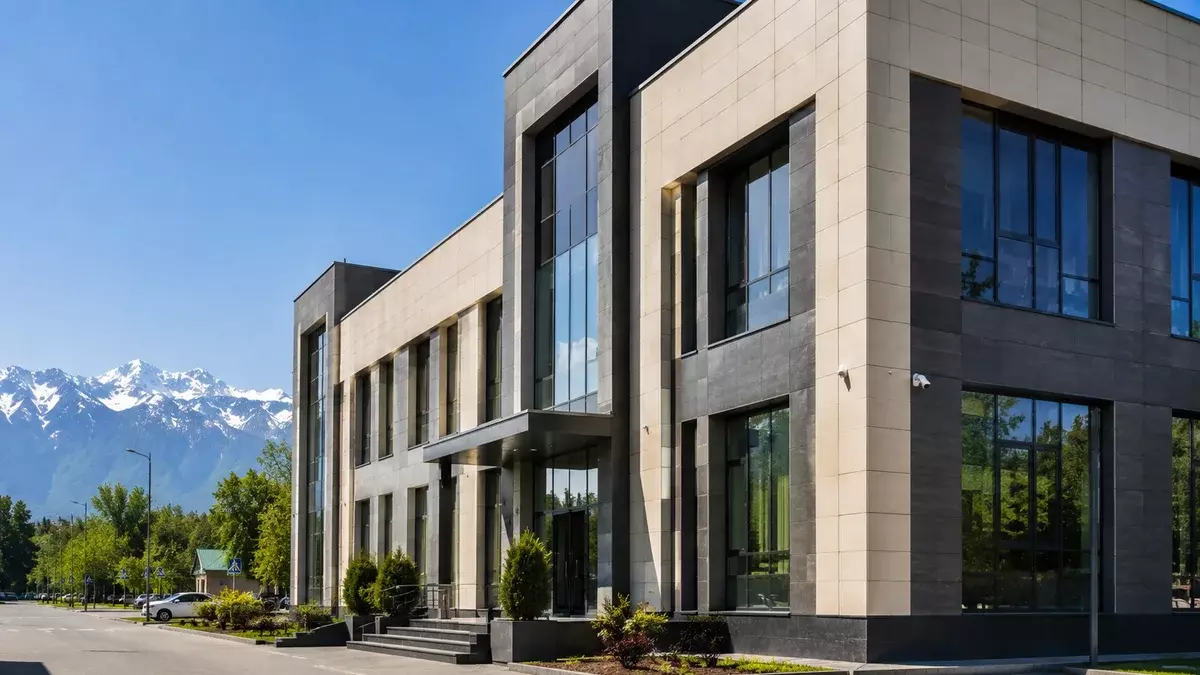 Installation of a ventilated facade on an office building in the Bostandyk district
 Painting and repair of the facade of an apartment building in the Samal microdistrict
FIND OUT THE COST OF FACADE WORK FOR YOUR PROJECT
Leave a request and we will contact you within 3 minutes
Thank you! We will contact you within 3 minutes.
By clicking the button you agree to the terms of the
 Privacy Policy
FIND OUT THE COST OF FACADE WORK FOR YOUR PROJECT
Leave a request and we will contact you within 3 minutes
Thank you! We will contact you within 3 minutes.
By clicking the button you agree to the terms of the
Or call us at
+7 (707) 068-88-68Privacy PolicyFIND OUT THE COST OF FACADE WORK FOR YOUR PROJECT
Leave a request and we will contact you within 3 minutes
Thank you! We will contact you within 3 minutes.
By clicking the button you agree to the terms of the
Or call us at
+7 (707) 068-88-68About metal siding cladding in detail
Metal siding cladding is the installation of steel profiles with a polymer coating on the facade of a private house. In Almaty the price per m² depends on the choice of profile (timber-look, ship board, block house), the need for insulation and the complexity of the frame. PROFI-DOM offers a transparent price per m² with a guarantee on the work.
What metal siding is and why it wins over the alternatives
Metal siding price per m2 depends on the facade area, material and complexity — we calculate the exact sum after taking measurements. Metal siding is a galvanised steel profile with a polymer coating that is mounted on the facade. Let us look at how it differs from vinyl and plaster and why it is chosen.
What metal siding is made of: steel, galvanising, polymer
This is a steel sheet 0.4–0.5 mm thick with a two-sided zinc coating (from 140 g/m²) and a polymer layer (polyester 25 µm, Pural 50 µm or PVDF with 80% fluoropolymer). Polyester fades in 5–7 years on the south side, Pural holds its colour for up to 15 years, and PVDF for 20+ years without loss of saturation. The galvanising prevents corrosion on the cut edges and the places cut with shears — this is exactly where rust starts on cheap analogues with 100 g/m² of zinc that are found at Almaty building-material markets. The protective film is removed immediately after installation: under the July Almaty sun it welds to the polymer in 3–4 days and tears off in pieces together with the coating. The thicker the zinc layer (from 140 g/m²), the longer the profile stays rust-free on the cut edges — for a climate with swings from −30 °C in winter to +40 °C in summer this is critical.
Comparison with vinyl siding and plaster
| Parameter | Metal siding | Vinyl siding | Plaster |
|---|---|---|---|
| Service life | 30–50 years | 15–25 years | 10–15 years until repair |
| Frost resistance | −60 °C without loss of properties | −30 °C, brittle below | −40 °C, cracks on shrinkage |
| Flammability | Non-combustible (NC) | Combustible (G2–G4) | Non-combustible (NC) |
| Maintenance | Needs no painting | Washed once a year | Touch-up after 5–7 years |
| Price per m² (material + work) | from 4500 KZT | from 3500 KZT | from 5000 KZT |
| Impact resistance | Withstands hail up to 30 mm | Cracks at −20 °C | Chips from impacts |
Fire safety: why it matters on a private house
Metal siding belongs to the class of non-combustible materials (NG) — it does not support combustion and does not release toxic products in a fire. For private houses in densely built-up Almaty districts (Ainabulak, Koktobe, Taugul) this is crucial: in a fire at a neighbouring building, vinyl siding ignites from thermal radiation already at 80–100 °C, whereas metal stays intact up to 900 °C. Foam (G3–G4) is often used under vinyl — fire spreads across it in a matter of minutes through the ventilation gap. If such cladding is mounted on a wooden house, the frame itself is made of metal profile — this gives a fully non-combustible facade structure with not a single combustible element.
Types and profiles of metal siding: which to choose for a house
Metal siding comes in four main profiles — timber-look, ship board, block house and vertical. Each has its own geometry, cost and visual effect.
The 'timber-look' profile: an imitation of hewn wood
The 'timber-look' profile imitates a rounded log with a smooth face and clear horizontal lines — the most popular option for chalet- and country-style houses. The working width of such a panel is 330–360 mm, and the consumption per square metre of facade is 2,8–3,1 linear metres, which gives fewer joints than other profiles. The polymer coating is applied by offset printing with a wood texture — in the Printech, Nordic and other ranges the pattern reproduces the growth rings of pine or larch, and the matt surface does not glare in the Almaty sun. Because of the flat face, this profile gives fewer shadow transitions than the ship board, so the house looks more monolithic.
The 'ship board' profile: a classic with a pronounced relief
The 'ship board' profile has a characteristic break in the middle that creates a play of light and shadow — the facade looks three-dimensional and textured, like real wooden finishing. The working width of the panel is 300–340 mm and the consumption is 3,0–3,3 linear m per 1 m²; because of the narrower profile the number of horizontal joints increases by 10–15% compared with 'timber-look'. In the catalogues of Almaty suppliers this profile is available in 20–30 RAL colours and wood textures — from dark wenge to whitewashed oak, and the 'antique' (shagreen) finish hides small defects on contact. Thanks to its relief, the ship board shows minor scratches and dust less than the smooth 'timber-look' profile — a practical choice for houses along busy roads.
The 'block house' and vertical profiles: for non-standard solutions
The block house imitates an oval log with a convex surface, while the vertical profile is mounted upright and visually raises the facade — both options are used for accent zones and plinth levels. The block house has a working width of 320–350 mm and a consumption of 2,9–3,2 linear m per 1 m²; the convex part adds 12–18 mm of depth from the wall, which makes it ideal for finishing bay windows and gables. The vertical profile (working width 250–280 mm, consumption 3,6–4,0 linear m) is mounted on guides at 400–500 mm spacing and needs more starter strips, but on end walls it visually stretches the facade upwards. Vertical metal siding sheds rainwater better than horizontal — on end walls and gables it works more efficiently without extra flashings.
Comparison of metal siding profiles: a table of parameters
| Profile | Working width, mm | Consumption per 1 m² of facade | Visual effect | Price per m² (material) |
|---|---|---|---|---|
| Timber-look | 330–360 | 2,8–3,1 linear m | A flat wall, timber imitation | from 2200 KZT |
| Ship board | 300–340 | 3,0–3,3 linear m | A textured facade with shadows | from 2300 KZT |
| Block house | 320–350 | 2,9–3,2 linear m | Convex log, volume | from 2500 KZT |
| Vertical | 250–280 | 3,6–4,0 linear m | Narrow panels, raising the facade | from 2400 KZT |
The 'timber-look' profile produces less waste when mounted on simple rectangular facades — material savings of up to 5–7% compared with the block house thanks to the greater working width and straight joints.
Frame and insulation under metal siding: how to build the right layer cake
The correct facade layer cake under metal siding consists of battens, insulation, windproofing and a vapour barrier. We will look at which layers are mandatory and how to install them.
Does the facade need insulating under metal siding — when yes, when no
Insulation under metal siding is mandatory if the house is built of aerated concrete, expanded-clay blocks or wood less than 400 mm thick — without insulation up to 40% of the heat escapes through the walls in winter. Almaty winters with swings from −25 °C at night to −5 °C in the daytime create condensation inside uninsulated walls, which leads to freezing and mould. In houses of brick 640 mm thick or more insulation is optional, but it reduces heating costs by 25–30 % per season. If the walls are already insulated outside with a plaster system or a ventilated facade, the metal siding is mounted without additional insulation — only on battens for the ventilation gap.
Which insulation is better under metal siding — mineral wool or foam
Mineral wool with a density of 35–50 kg/m³ is the best choice under metal siding, because it is vapour-permeable, does not burn and does not settle, unlike foam, which can deform when the facade heats up. On the south walls of Almaty houses under direct sunlight metal siding heats up to +70 °C, and PSB-S-25 foam starts to release styrene — which is unacceptable for living rooms. Foam is 30–40 % cheaper than mineral wool, but when mounted on the north side or in shade it works without complaint provided there is a vapour barrier. On wooden houses mineral wool is a must — it carries vapour out of the walls, whereas foam traps moisture and rot.
The facade layer cake under metal siding: the layers and their purpose
- - Vapour barrier: it protects the insulation from moisture coming from inside the house — mounted first onto the wall, with a 10–15 cm overlap and the joints taped with butyl rubber tape.
- - Battens: timber of 40×40 mm or a galvanised profile — fixed vertically at 50–60 cm spacing and levelled.
- - Insulation: mineral wool or foam 50–100 mm thick — laid snugly between the guides, without gaps or deformation of the boards.
- - Windproofing: a diffusion membrane with a vapour permeability of at least 1000 g/m²/day — it carries vapour out of the insulation but does not let moisture in from outside.
- - Counter-battens: a second layer of 20×40 mm timber — creates a ventilation gap of 20–30 mm between the membrane and the siding, without which condensation lingers on the metal.
- - Metal siding: the finishing layer — mounted with self-tapping screws with EPDM washers, slotting into the lock without tension for thermal compensation.
Wooden or metal battens — which to choose
A metal frame of galvanised profile outlasts a wooden one — it does not rot, does not warp from damp and needs no antiseptic treatment, though it costs 20–30 % more. Timber battens of larch or aspen are suitable for dry walls and only if treated with two coats of antiseptic, but in the Almaty climate with humidity up to 80 % in winter they last 5–7 years against 15–20 for metal. On old wooden houses built earlier, a metal frame is preferable — it does not settle and does not deform under the movements of the log frame, which reach 3–5 mm per season.
Metal siding cladding technology: from measuring to finish
The installation technology includes preparing the walls, fitting the battens, fastening the profiles and trim elements. We will go through the stages and dispel the main myths.
Stages of metal siding installation: from measuring to the finishing strip
- - Measuring and calculation: the measurer comes to the site, takes the facade dimensions and calculates the number of profiles, corners, starter strips, J-profile, drip flashings and soffits.
- - Wall preparation: dismantling the old cladding, levelling, treating wooden walls with antiseptic, fixing the vapour barrier film.
- - Fitting the battens: mounting vertical guides of 40×40 mm timber or galvanised profile at 400–600 mm spacing, checking the plane with a level.
- - Starter strip: fixed strictly to the level at the bottom of the facade — an error of 5 mm produces a skew over 10 rows of the profile.
- - Installing the profiles: each successive row clicks into the lock of the previous one and is fixed with self-tapping screws through the perforation — a 100 m² house takes 5–7 working days.
- - Trim elements: corners, a J-profile around windows and doors, drip flashings on the plinth, soffits for boxing in the eaves. The most common mistake in DIY installation is the absence of a temperature gap of 2–3 mm between profiles: metal expands when heated, and without a gap the siding deforms into 'waves'.
Concealed fasteners and self-tapping screws with EPDM washers — why it matters
Concealed fasteners fix the profile through the lock rather than through the face — no screw heads are visible on the facade, and the metal does not make noise in the rain because there is no rigid steel-on-steel contact. The system uses special clips or holes in the lock, ruling out corrosion at the fastening point and preserving the integrity of the polymer coating. On Almaty sites there have been facades with exposed fastening where after 2–3 years rusty streaks appeared around the heads — ordinary screws without a seal do not keep tight. Self-tapping screws with EPDM washers solve this problem: the rubber seal is compressed as the screw is driven in, closing off moisture access to the cut metal, and the facade stays clean for its whole service life.
Busting the myths: rust, noise, heating and maintenance
- - Rust: galvanising of 140–180 g/m² and a polymer coating (polyester, Pural, PVDF) protect the steel — the cut edges are treated with paint from the repair kit, and the facade does not rust for 30–50 years.
- - Noise: concealed fasteners and a ventilation gap of 20–30 mm dampen the sound of rain — the metal does not touch the battens rigidly, and the air layer works as a sound absorber.
- - Heating: the ventilation gap draws hot air away from the profile — in the sun the metal heats up to +50 °C, but the wall stays cold thanks to natural ventilation and the insulation.
- - Maintenance: washing with a hose every 2–3 years — the polymer coating does not absorb dirt and does not fade in the sun, unlike vinyl, which loses its tone after 5–7 years. Metal siding does not need painting — Pural and PVDF keep their colour for 15–20 years; it is enough to rinse the dust off the facade.
The price of metal siding cladding per m²: table and breakdown
The price per m² is made up of the cost of material, labour, insulation and trim elements — we will give real figures for a house of 100 m².
What makes up the price per m²: material, labour, insulation, trims
The price per m² in Almaty includes four components: material (profile + trim elements) — 2200–2800 KZT/m², labour — –2500 KZT/m², insulation — 1500–2500 KZT/m², battens — 500–800 KZT/m². The 'timber-look' and 'ship board' profiles sit at the upper end of the range, while vertical siding and a smooth sheet are 200–300 KZT/m² cheaper, and the difference between mineral wool (1800–2500 KZT/m²) and PSB-S-25 (1200–1500 foam KZT/m²) of the same 50 mm thickness is justified by mineral wool's better sound insulation and vapour permeability — critical for houses with an attic. If the walls are uneven (a deviation of more than 3 cm over 2 m), local crews add 300–500 KZT/m² for levelling with a lath frame. The most common reason for estimates diverging is underestimating trim elements: a 100 m² house needs them at 15–20% of the facade area, and this adds 300–500 KZT/m² to the final price.
Price table for metal siding cladding per m² in Almaty
| Cladding option | Material (profile + trims) | Labour | Insulation + membrane | Total per m² |
|---|---|---|---|---|
| Without insulation, on battens | 2500–3000 Kzt | –2500 Kzt | — | 4500–5500 Kzt |
| With insulation (mineral wool 50 mm) | 2500–3000 Kzt | 2500–3000 Kzt | 1500– Kzt | 6500–8000 Kzt |
| With insulation (foam 50 mm) | 2500–3000 Kzt | 2500–3000 Kzt | 1000–1500 Kzt | 6000–7500 Kzt |
| Turnkey, 'timber-look' profile | 2800–3000 Kzt | 2500–3000 Kzt | 1500– Kzt | 6800–8000 Kzt |
| Turnkey, 'ship board' profile | 2900–3200 Kzt | 2500–3000 Kzt | 1500– Kzt | 6900–8200 Kzt |
The figures are averages for the Almaty market at the start of the season. Ordering turnkey finishing with insulation is 10–15% — cheaper than hiring crews stage by stage, thanks to bulk purchasing of materials and no downtime between stages.
Example estimate for a 100 m² house: figures and calculations
For a house with a facade area of 100 m², metal siding finishing with 50 mm mineral wool insulation turnkey will cost 650 000–800 000 KZT — of which 280 000–320 000 KZT for material, 250 000–300 000 KZT for labour and 150 000–200 000 KZT for insulation and membrane. If you choose the 'ship board' profile instead of 'timber-look', the price difference will be 10 000–20 000 KZT for the whole job due to the more expensive sheet. Trim elements (corners, starter strips, drip flashings, J-profile) add another 45 000–60 000 KZT — a house with 6 windows and 2 doors takes about 50–60 linear metres of trims, whose quantity is counted by the perimeter and openings. The lead time is 5–7 days with a crew of 2–3; in the rainy season (April–May, October) the work can stretch to 10 days. If you order the finishing in the quiet season (October–November or February–March), you can save 5–10% — — the crews are less busy and give a discount on labour.
Turnkey metal siding cladding with PROFI-DOM
Turnkey metal siding cladding in Almaty and the suburbs includes a free survey, a contract and a guarantee on the work. We will explain how the process works.
How we clad with metal siding: from enquiry to handover
We start with a free visit by the measurer in the city and the suburbs up to 30 km — he takes the dimensions, discusses the profile and insulation and draws up the estimate, and after approval we sign the contract and begin installation. An in-house crew of 3–4 works with its own tools: screwdrivers, a laser level and metal shears. We fasten the panels with galvanised self-tapping screws with EPDM washers at every other wave, but no less than 6 points per sheet. We cut the trim elements to fit with a 3–5 mm gap for thermal expansion — steel heated in the sun expands up to 2 mm per linear metre. Handover includes checking the facade geometry with a level, the tightness of the joints and the absence of scratches on the coating. We use only 0,45 mm galvanised steel with a Pural polymer coating — this material has shown the best UV resistance in conditions of more than 300 sunny days a year.
Guarantee on the work and the contract: what we put in writing
We give a guarantee on metal siding cladding work — in the contract we fix the deadlines, cost, list of materials and the parties' obligations, including warranty service if installation defects are found. In the estimate all trim elements, drip flashings, eaves strips and the delivery cost are set out as separate lines — no hidden mark-ups after the work has begun. The guarantee covers the fastening of the panels (no detachment allowed), the tightness of the joints, the absence of corrosion on the cut edges and the integrity of the polymer coating, provided any mechanical damage is not the customer's fault. Metal siding can be installed in winter at temperatures down to −15 °C — we use self-tapping screws with frost-resistant EPDM washers and give a guarantee on the tightness of the fastenings regardless of the season.
Delivery of materials to the Almaty suburbs
We deliver metal siding and components to the suburbs up to 30 km from the city — the price includes unloading on the plot, lifting to the work area and storage in the installation zone. The vehicle is equipped with soft straps and polyethylene foam spacers between the sheets to rule out scratches to the polymer coating during transport. When you order turnkey cladding, delivery of materials to the suburbs is free — convenient for owners of houses in the villages of Kargaly, Irgeli, Otegen-Batyr and other directions.
Conclusion
Cladding a house with metal siding is a solution that combines durability, aesthetics and a moderate budget. We have gathered the main conclusions so you can make an informed decision on your facade.
Key takeaways
- - Metal siding is resistant to temperature swings, UV radiation and precipitation — the service life of the coating reaches 30-40 years with correct installation and an intact polymer layer.
- - The choice of profile ('Ship board', 'Block house', 'Herringbone') and the steel thickness (0,4–0,5 mm) determines the appearance and durability of the facade: a thin sheet deforms more easily under hail.
- - A quality frame and insulation are the basis of a facade's long service — a ventilation gap of 40-60 mm and a vapour barrier prevent condensation and freezing of the walls in the Almaty winter.
- - The cost of the finishing is made up of material, frame, insulation and labour — the final price per m² ranges from 6500 to 12 000 KZT depending on the complexity of the facade and the chosen profile.
- - Professional installation with a guarantee rules out the typical mistakes — the wrong batten spacing (more than 60 cm) and skimping on galvanised fasteners lead to panel deformation within a couple of seasons already.