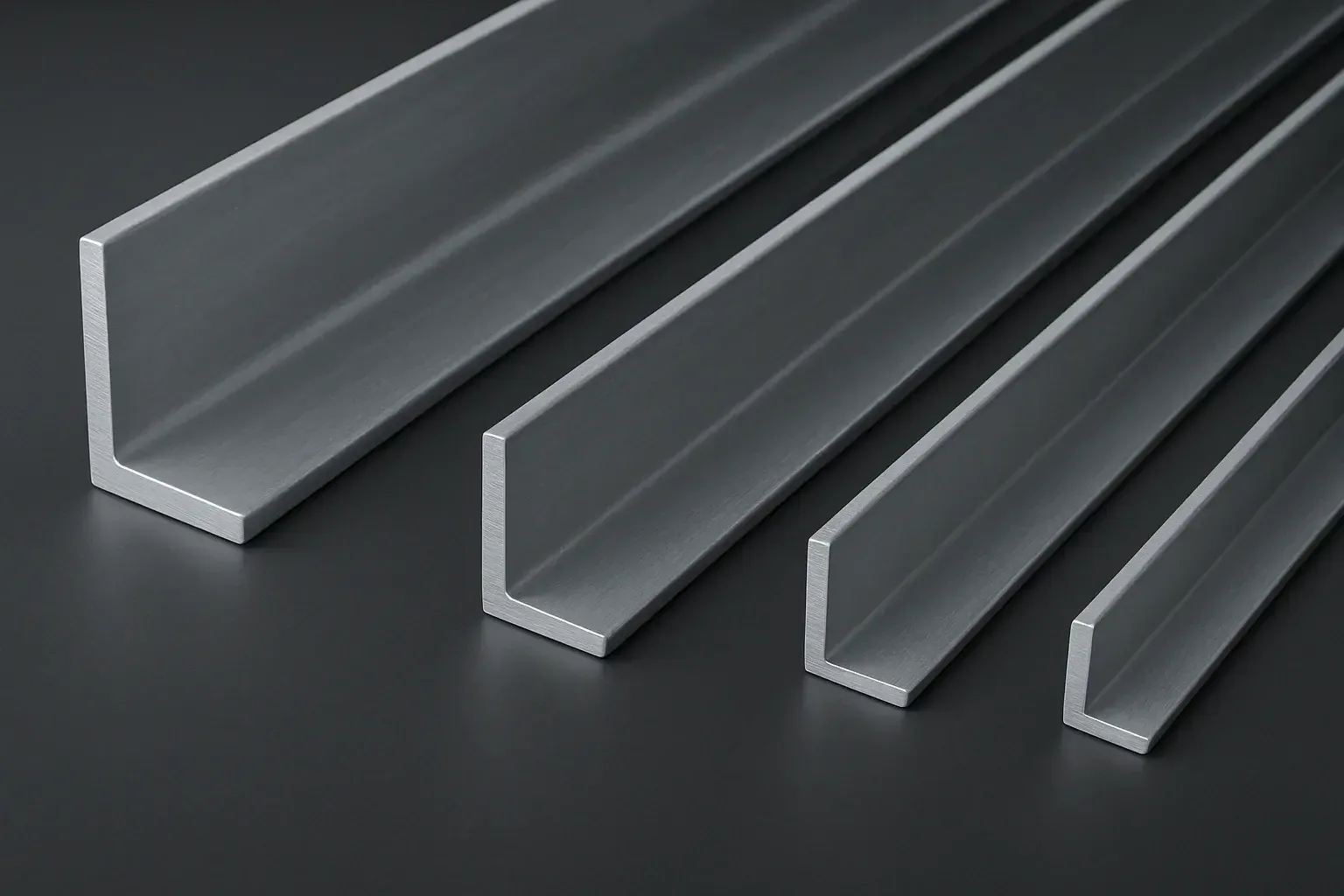
Metal angle Almaty
strength of 350 MPa and shipment within 24 h
Cutting to an accuracy of ±1 mm and savings of up to 15% — with no defects, delays or extra costs
 Savings of up to 15% thanks to direct supplies from Kazakhstan and Russia
 Warehouse: 3 000 tonnes, 95% items in stock
 18 vehicles in our own fleet
 Every batch comes with GOST and EN certificates
Metal angle Almaty
strength of 350 MPa and shipment within 24 h
Cutting to an accuracy of ±1 mm and savings of up to 15% — with no defects, delays or extra costs
Savings of up to 15% thanks to direct supplies from Kazakhstan and Russia
Warehouse: 3 000 tonnes, 95% items in stock
18 vehicles in our own fleet
Every batch comes with GOST and EN certificates
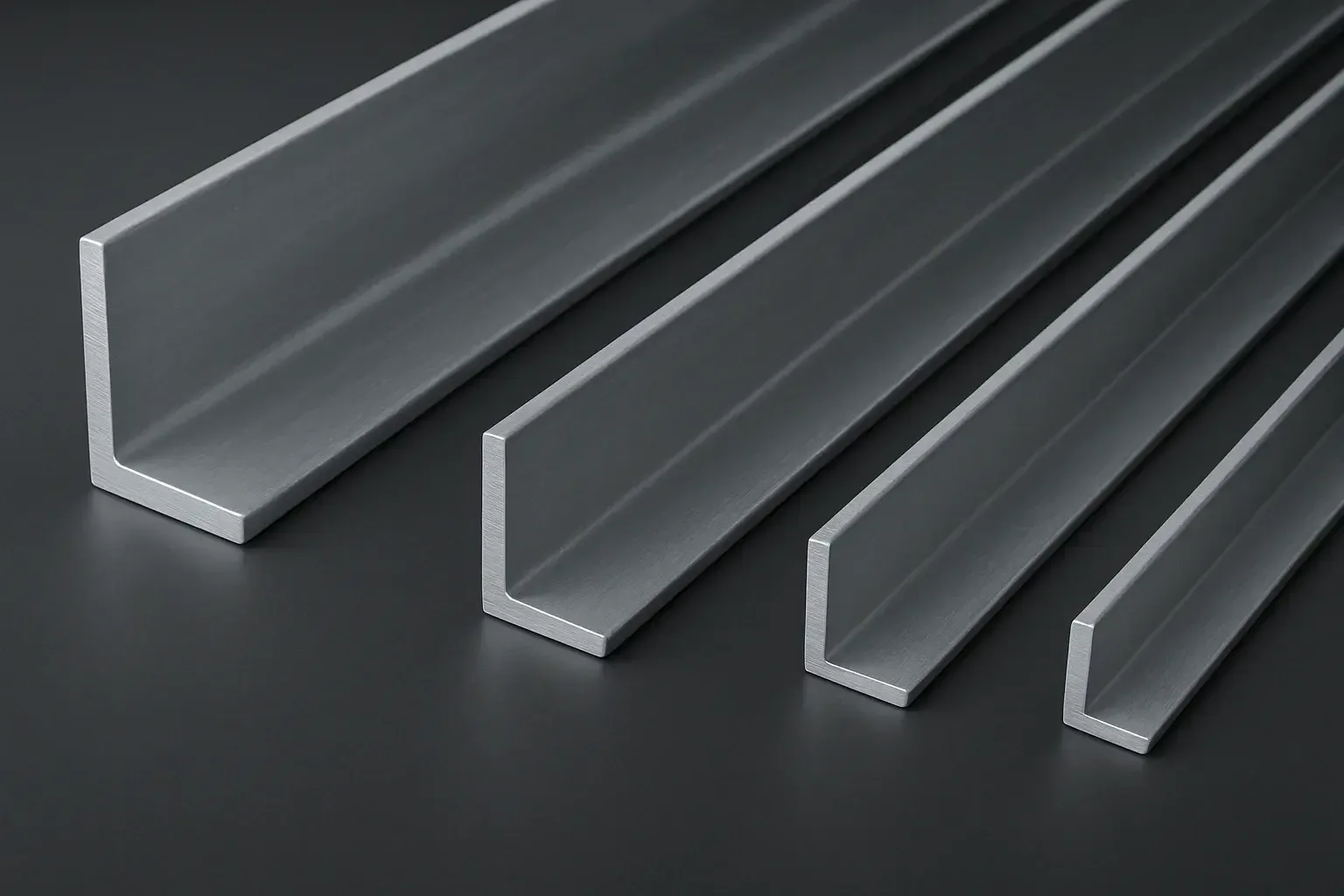
Metal angle Almaty
strength of 350 MPa and shipment within 24 h
Cutting to an accuracy of ±1 mm and savings of up to 15% — with no defects, delays or extra costs
Savings of up to 15% thanks to direct supplies from Kazakhstan and Russia
Warehouse: 3 000 tonnes, 95% items in stock
18 vehicles in our own fleet
Every batch comes with GOST and EN certificates
catalogue of metal angle bars
The price is given per tonne, including production and delivery
 Angle 20×20×3 (St3) GOST 8509-93 in AlmatyAngle 25×25×3 (St3) GOST 8509-93 in AlmatyAngle 25×25×4 (St3) GOST 8509-93 in AlmatyAngle 32×32×3 (St3) GOST 8509-93 in AlmatyAngle 32×32×4 (St3) GOST 8509-93 in AlmatyAngle 35×35×4 (St3) GOST 8509-93 in AlmatyAngle 40×40×4 (St3) GOST 8509-93 in AlmatyAngle 40×40×5 (St3) GOST 8509-93 in AlmatyAngle 45×45×4 (St3) GOST 8509-93 in AlmatyAngle 45×45×5 (St3) GOST 8509-93 in AlmatyAngle 50×50×4 (St3) GOST 8509-93 in AlmatyAngle 50×50×5 (St3) GOST 8509-93 in AlmatyAngle 50×50×6 (St3) GOST 8509-93 in AlmatyAngle 63×63×5 (St3) GOST 8509-93 in AlmatyAngle 63×63×6 (St3) GOST 8509-93 in AlmatyAngle 63×63×6 (09G2S) GOST 8509-93 in AlmatyAngle 70×70×5 (St3) GOST 8509-93 in AlmatyAngle 70×70×6 (St3) GOST 8509-93 in AlmatyAngle 70×70×7 (St3) GOST 8509-93 in AlmatyAngle 75×75×5 (St3) GOST 8509-93 in AlmatyAngle 75×75×6 (St3) GOST 8509-93 in AlmatyAngle 75×75×6 (09G2S) GOST 8509-93 in AlmatyAngle 80×80×6 (St3) GOST 8509-93 in AlmatyAngle 80×80×7 (St3) GOST 8509-93 in AlmatyAngle 80×80×8 (St3) GOST 8509-93 in AlmatyAngle 90×90×6 (St3) GOST 8509-93 in AlmatyAngle 90×90×7 (St3) GOST 8509-93 in AlmatyAngle 90×90×8 (St3) GOST 8509-93 in AlmatyAngle 100×100×7 (St3) GOST 8509-93 in AlmatyAngle 100×100×8 (St3) GOST 8509-93 in AlmatyAngle 100×100×8 (09G2S) GOST 8509-93 in AlmatyAngle 100×100×10 (St3) GOST 8509-93 in AlmatyAngle 110×110×8 (St3) GOST 8509-93 in AlmatyAngle 125×125×8 (St3) GOST 8509-93 in AlmatyAngle 125×125×10 (St3) GOST 8509-93 in AlmatyAngle 125×125×10 (09G2S) GOST 8509-93 in AlmatyAngle 125×125×12 (St3) GOST 8509-93 in AlmatyAngle 140×140×10 (St3) GOST 8509-93 in AlmatyAngle 160×160×10 (St3) GOST 8509-93 in AlmatyAngle 160×160×12 (St3) GOST 8509-93 in AlmatyAngle 160×160×12 (09G2S) GOST 8509-93 in AlmatyAngle 180×180×12 (St3) GOST 8509-93 in AlmatyAngle 200×200×12 (St3) GOST 8509-93 in AlmatyAngle 200×200×14 (St3) GOST 8509-93 in AlmatyAngle 200×200×16 (St3) GOST 8509-93 in AlmatyAngle 25×16×3 (St3) GOST 8510-86 in AlmatyAngle 32×20×3 (St3) GOST 8510-86 in AlmatyAngle 40×25×4 (St3) GOST 8510-86 in AlmatyAngle 45×28×4 (St3) GOST 8510-86 in AlmatyAngle 50×32×4 (St3) GOST 8510-86 in AlmatyAngle 56×36×4 (St3) GOST 8510-86 in AlmatyAngle 63×40×5 (St3) GOST 8510-86 in AlmatyAngle 63×40×6 (St3) GOST 8510-86 in AlmatyAngle 75×50×5 (St3) GOST 8510-86 in AlmatyAngle 75×50×6 (St3) GOST 8510-86 in AlmatyAngle 75×50×6 (09G2S) GOST 8510-86 in AlmatyAngle 80×50×5 (St3) GOST 8510-86 in AlmatyAngle 80×50×6 (St3) GOST 8510-86 in Almaty
 Angle 90×56×6 (St3) GOST 8510-86 in AlmatyAngle 100×63×6 (St3) GOST 8510-86 in AlmatyAngle 100×63×7 (St3) GOST 8510-86 in AlmatyAngle 100×63×7 (09G2S) GOST 8510-86 in AlmatyAngle 110×70×7 (St3) GOST 8510-86 in AlmatyAngle 125×80×7 (St3) GOST 8510-86 in AlmatyAngle 125×80×8 (St3) GOST 8510-86 in AlmatyAngle 125×80×8 (09G2S) GOST 8510-86 in AlmatyAngle 140×90×8 (St3) GOST 8510-86 in AlmatyAngle 160×100×10 (St3) GOST 8510-86 in AlmatyAngle 160×100×10 (09G2S) GOST 8510-86 in Almaty
OUR COMPANY'S SERVICES
Preparatory operations
Cutting (gas, plasma, laser, waterjet), bending, straightening, making forgings, metal casting, rolling, perforation, blanking and stamping.
Machining
Turning and milling (including CNC), drilling, boring, thread cutting, grinding, polishing, deburring and machining.
Heat and chemical treatment
Heat treatment (hardening, tempering, normalising), carburising, nitriding, boriding, carbonitriding, chemical oxidation (blackening).

Surface coatings and finishing
Electroplated coatings (galvanising, chrome plating, nickel plating, anodising), painting (powder, liquid, anti-corrosion), paint-and-varnish coatings, sandblasting.
Quality control
Ultrasonic testing, magnetic particle testing, radiographic testing, penetrant testing.
Welding and assembly
Welding work (arc, semi-automatic, argon-arc), assembly of steel structures.
Special technologies
Calibration (round, square, hexagon), hydroforming, laser marking.
Logistics and order assembly
Packaging of products, order assembly, warehousing services, delivery of rolled metal and finished products.
Engineering and design
Development of technical documentation, design of steel structures, material selection, and bespoke design and engineering solutions for the client.
OUR COMPANY'S SERVICES
Cutting (gas, plasma, laser, waterjet), bending, straightening, making forgings, metal casting, rolling, perforation, blanking and stamping.
Preparatory operations
Turning and milling (including CNC), drilling, boring, thread cutting, grinding, polishing, deburring and machining.
Machining
Heat treatment (hardening, tempering, normalising), carburising, nitriding, boriding, carbonitriding, chemical oxidation (blackening).
Heat and chemical treatment
Electroplated coatings (galvanising, chrome plating, nickel plating, anodising), painting (powder, liquid, anti-corrosion), paint-and-varnish coatings, sandblasting.
Surface coatings and finishing
Ultrasonic testing, magnetic particle testing, radiographic testing, penetrant testing.
Quality control
Welding work (arc, semi-automatic, argon-arc), assembly of steel structures.
Welding and assembly
Calibration (round, square, hexagon), hydroforming, laser marking.
Special technologies
Packaging of products, order assembly, warehousing services, delivery of rolled metal and finished products.
Logistics and order assembly
Development of technical documentation, design of steel structures, material selection, and bespoke design and engineering solutions for the client.
Engineering and design
We will call you back within 3 minutes
OUR COMPANY'S SERVICES
Cutting (gas, plasma, laser, waterjet), bending, straightening, making forgings, metal casting, rolling, perforation, blanking and stamping.
Preparatory operations
Turning and milling (including CNC), drilling, boring, thread cutting, grinding, polishing, deburring and machining.
Machining
Heat treatment (hardening, tempering, normalising), carburising, nitriding, boriding, carbonitriding, chemical oxidation (blackening).
Heat and chemical treatment
Electroplated coatings (galvanising, chrome plating, nickel plating, anodising), painting (powder, liquid, anti-corrosion), paint-and-varnish coatings, sandblasting.
Surface coatings and finishing
Ultrasonic testing, magnetic particle testing, radiographic testing, penetrant testing.
Quality control
Welding work (arc, semi-automatic, argon-arc), assembly of steel structures.
Welding and assembly
Calibration (round, square, hexagon), hydroforming, laser marking.
Special technologies
Packaging of products, order assembly, warehousing services, delivery of rolled metal and finished products.
Logistics and order assembly
Development of technical documentation, design of steel structures, material selection, and bespoke design and engineering solutions for the client.
Engineering and design
We will call you back within 3 minutes
Price list for metal angles in Almaty
| CATEGORY | THICKNESS | STEEL GRADE | SIZE | UNIT OF MEASURE | PRICE PER METRE | |
|---|---|---|---|---|---|---|
| Hot-rolled steel angle (H/R) Equal | ||||||
| Angle bar | 4 | Steel 3/09G2S | 32x32 | м | 1540 | |
| Angle bar | 4 | Steel 3/09G2S | 40x40 | м | 2790 | |
| Angle bar | 5 | Steel 3/09G2S | 50x50 | м | 3710 | |
| Angle bar | 5 | Steel 3/09G2S | 63x63 | м | 3540 | |
| Angle bar | 5 | Steel 3/09G2S | 75x75 | м | 3215 | |
| Angle bar | 8 | Steel 3/09G2S | 100x100 | м | 10225 | |
| Angle bar | 10 | Steel 3/09G2S | 160x160 | м | 38500 | |
| Hot-rolled steel angle (H/R) Unequal | ||||||
| Angle bar | 6 | Steel 3/09G2S | 75x50 | м | 5500 | |
| Angle bar | 7 | Steel 3/09G2S | 90x60 | м | 7500 | |
| Cold-rolled bent steel angle (C/R) | ||||||
| Angle bar | 3 | Steel 3 | 25x25 | м | 1200 | |
| Angle bar | 4 | Steel 3 | 50x50 | м | 1850 | |
| Angle bar | 4 | Steel 3 | 90x90 | м | 3500 | |
| Stainless steel angle | ||||||
| Angle bar | 3 | AISI 201 | 20x20 | м | 1700 | |
| Angle bar | 3 | AISI 304 | 20x20 | м | 2400 | |
| Angle bar | 4 | AISI 304 | 40x40 | м | 4800 | |
| Non-ferrous metal angle | ||||||
| Angle bar | 2 | Aluminium | 15x15 | м | 835 | |
| Angle bar | 3 | Brass | 20x20 | м | 3950 |
- 01.OUR OWN WAREHOUSE OF 3 000 TONNES
Pipes, beams, sheets and rebar to GOST are in stock. More than 2 500 items available. We guarantee a selection for any project.
- 02.OUR COMPANY HAS BEEN OPERATING FOR 30 YEARS
We have been operating since 1994. Over this time we have found the best metal suppliers, and bulk purchasing allows us to cut costs for our clients.
- 03.cutting accuracy to ±1 mm
On Hypertherm CNC machines. We eliminate defects and metal waste. We save clients up to 15% of the budget on every project.
- 04.Delivery strictly on time
We deliver 98,5% of orders exactly on time thanks to our own fleet of 18 vehicles. You will avoid production downtime and penalties from clients.
- 05.A WIDE CHOICE OF METAL
We have 100+ items in stock: steel, aluminium and stainless steel from MMK, RUSAL and Severstal. Get the metal you need turnkey.
- 06.Direct supplies from 7 mills
We work directly, without intermediaries, with the MMK, NLMK and ChTPZ mills. Prices are 10-15% below market and every product comes with a quality certificate.
- 07.Dispatch from the warehouse in 3 hours
We will dispatch 95% items from our warehouse within 3 hours of your request. You will cut waiting time and speed up the start of the project.
- 08.Deferred payment of up to 30 days
We provide official deferred payment of up to 10 000 000 KZT for regular clients. Keep your working capital.
- 09.We will calculate the cost in 15 min
Send us a drawing or specification. Our engineer will prepare a quote with the exact cost in 15 minutes and send it to your email.
- 10.Packaging protects against corrosion
An anti-corrosion film and wooden spacers for sheet metal. Rebar in bundles of 2 tonnes. Storage life of up to 12 months.
Find out the price of a metal angle in 1 minute
CUSTOMER REVIEWS on metal angles in Almaty
Your feedback matters a great deal to us
Metal angles
An expert guide to the product range, GOST standards and reliable purchasing in Almaty
As a steel structures engineer, I always say: the strength of a building begins with the small things that are actually not small at all. One such “non-small thing” is the metal angle – one of the most in-demand and critically important types of metalworking. For a design engineer it is not just an L-shaped bulb flat; it is a guarantee of the geometric stability and load-bearing capacity of trusses, frames and floors. For a procurement specialist it is a matter of price, logistics and, most importantly, compliance with strict standards. The purpose of this guide is to give you a complete, practical toolkit that will let you make decisions confidently both at the design stage and when purchasing a large batch. We will examine the assortment, learn to quickly calculate the mass of a structure, and also show what hidden risks lurk in the seemingly simplest of deals.
Why is the profile still indispensable in construction?
Expert advice from Daniyar Ibragimov: "Many clients, eager to save money, ask for a thinner angle to be specified in the design, citing low design loads. My experience shows: never economise on the safety margin for fastening joints. The price difference between 4 mm and 5 mm of shelf thickness is negligible compared with the cost of fixing the consequences of deformation, which will inevitably appear after several years of use."
Range and classification: How to choose the right profile according to GOST?
Equal-leg versus unequal-leg: what is the difference for an engineer
Hot-rolled or bent: the price of compromise
Comparative analysis of hot-rolled and bent
Characteristic | Hot-rolled | Bent |
Production method | Hot | Cold bending |
Strength, Reliability | Higher, uniform structure | Below, stress concentration at the bend |
Application | Load-bearing structures, trusses, frames | Non-load-bearing elements, finishing, light fencing |
Outer part | Rounded | Sharp |
Price | Higher | Lower (by approximately 15-25%) |
Rack thickness | Strictly complies with the standard | May have tolerances |
Extract from the range of hot-rolled equal-flange
Range (Flange width, mm x Thickness, mm) | Cross-sectional area, cm² | Theoretical weight of 1 m, kg |
50x50x5 | 4,80 | 3,77 |
75x75x6 | 8,78 | 6,89 |
100x100x7 | 13,5 | 10,6 |
125x125x8 | 19,5 | 15,3 |
Steel grades: Choosing between steel and iron products
The Principle of Cross-Domain Analogies: Imagine that choosing an alloy grade is like choosing between running shoes for asphalt or trekking boots for the mountains. St3 — is footwear for asphalt: reliable for everyday, predictable tasks. While 09G2S is trekking boots: it costs more, but is built to withstand extreme loads, vibrations and low temperatures, guaranteeing that the "sole" will not split on difficult terrain.
Evolution of the profile: From riveted structures to modern hot-rolled angles
Hidden risks and the buying process: How to buy a metal profile in Almaty without overpaying or getting defects
- Geometry (Flange size): Use a calliper to measure the width. Check that it matches the declared product range (for example, 75 mm).
- Thickness (Critical parameter): Check the shelf thickness at at least three points on a single sample. The standard allows minor deviations, but the size is often understated by 0.5-1 mm, which critically reduces weight and load-bearing capacity.
- Curvature, Twisting: Visually check for excessive curvature along the length of the bar. Twisting indicates a breach of technology or improper storage.
- Certificate: Demand the mill's quality certificate stating the GOST, the grade (St3 or 09G2S) and the date of manufacture. The absence of a certificate is grounds to walk away from the deal.
- Weight: Compare the actual weight of a test metre (measured by weighing) with the theoretical value according to GOST (Table 2). If the deviation is greater than 2-3%, this is a clear sign of cheating on thickness or grade.
Expert advice from Daniyar Ibragimov: "Many suppliers in Almaty try to sell a metal angle as a higher-grade steel. If you are offered a price substantially below the market average per tonne of rolled metal, that is not a cause for joy but a red flag. A low price always means that the thickness is below standard or the alloy grade is below what is claimed. As a result, you will buy not the goods you need but problems."
How does metal angle bar affect the long-term safety of your facility?
Range of unequal-leg angle bar (GOST 8510-86)
Flange width (B, mm) x Width (b, mm) x Thickness (t, mm) | Cross-sectional area, cm² | Theoretical weight of 1 m, kg |
63x40x5 | 4,96 | 3,89 |
75x50x6 | 7,22 | 5,67 |
100x63x8 | 12,50 | 9,81 |
Comparison of steel grades
Steel grade | Yield strength (MPa) | Operating temperature (°C) | Application |
St3sp/ps | 245 | -20°C and above | Standard building structures |
09Г2С | 345 | -70°C to +425°C | Northern regions, critical load-bearing structures, high load |
Expert advice from Daniyar Ibragimov: "I always advise clients to ask a supplier in Almaty not only for the price per tonne but also for the cost of cutting. Quality, mill-grade cutting (for example, plasma or band saw cutting) not only saves you time but also reduces the risk of damaging the ends of the rolled metal during careless gas cutting on the construction site. It is a small service that ultimately determines the quality of the installation seam."
Selecting profiles and organising their supply is a complex task requiring knowledge of the product range, GOST standards, weight and the specifics of metalworking. Not only the price of a project but also its safety depends on the correct choice of alloy grade and rack thickness. An expert approach at the design stage and a strict audit at the point of purchase — that is what distinguishes a professional in the field of metal angles in Almaty.
Frequently asked questions
about channel bars
What types of metal angle bar are there?
- Equal-leg (flanges of equal width)
- Unequal-leg (flanges of different widths)
What metal is angle bar made from?
- carbon steel (St3, St20)
- low-alloy steel (09G2S)
- stainless steel
What are the standard sizes of metal angle bar?
- 25×25×3 mm
- 40×40×4 mm
- 63×63×5 mm
- 75×50×5 mm (unequal leg)
What is the standard length of angle bar?
Where is metal angle bar used?
- building frames
- strengthening structures
- manufacture of stairs, frames, fences
- welded steel structures
How does an equal-leg angle differ from an unequal-leg angle?
How much does a metal angle bar weigh?
- angle 40×40×4 mm — ~2,42 kg/m
- The exact weight is calculated using GOST tables or a metal calculator.
Can an angle bar be used outdoors?
- galvanised angle
- or painting / anti-corrosion treatment
Can I order cutting of a metal angle bar?
How much does 1 metre of metal angle bar cost?
- size (for example, 25×25 or 40×40)
- wall thickness
- steel grades
- purchase volume
- region and metal depot
How much does a 40×40 angle bar cost?
- 40×40×3 mm — cheaper
- 40×40×4 mm — the most in-demand option
What sizes of metal angle bar are there?
flange width × flange width × wall thickness (mm)
📏 Examples of popular sizes:
- 25×25×3
- 32×32×3
- 40×40×4
- 50×50×5
- 63×63×5
- 75×75×6
- 75×50×5 (unequal leg)
We also
make

CORRUGATED SHEETING

WELDING ELECTRODES

Hexagon bar

We also
make
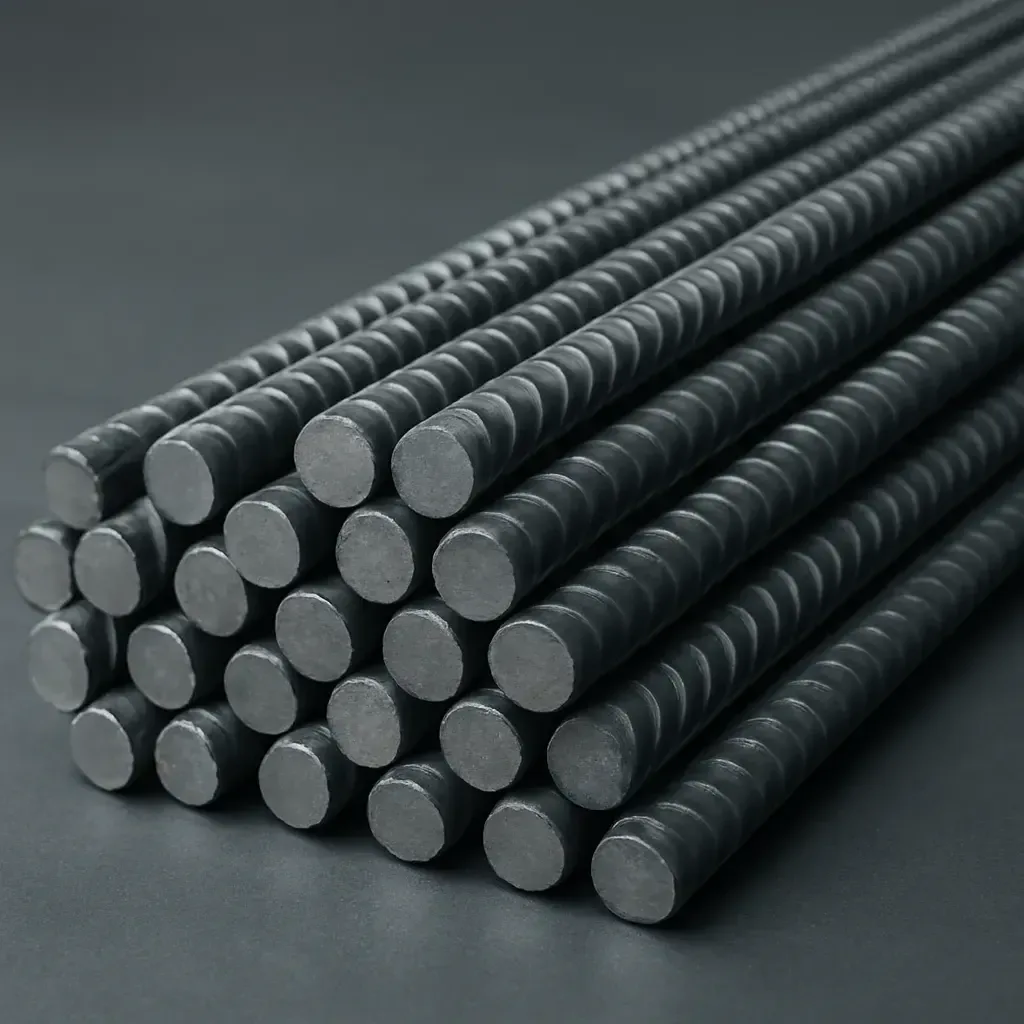


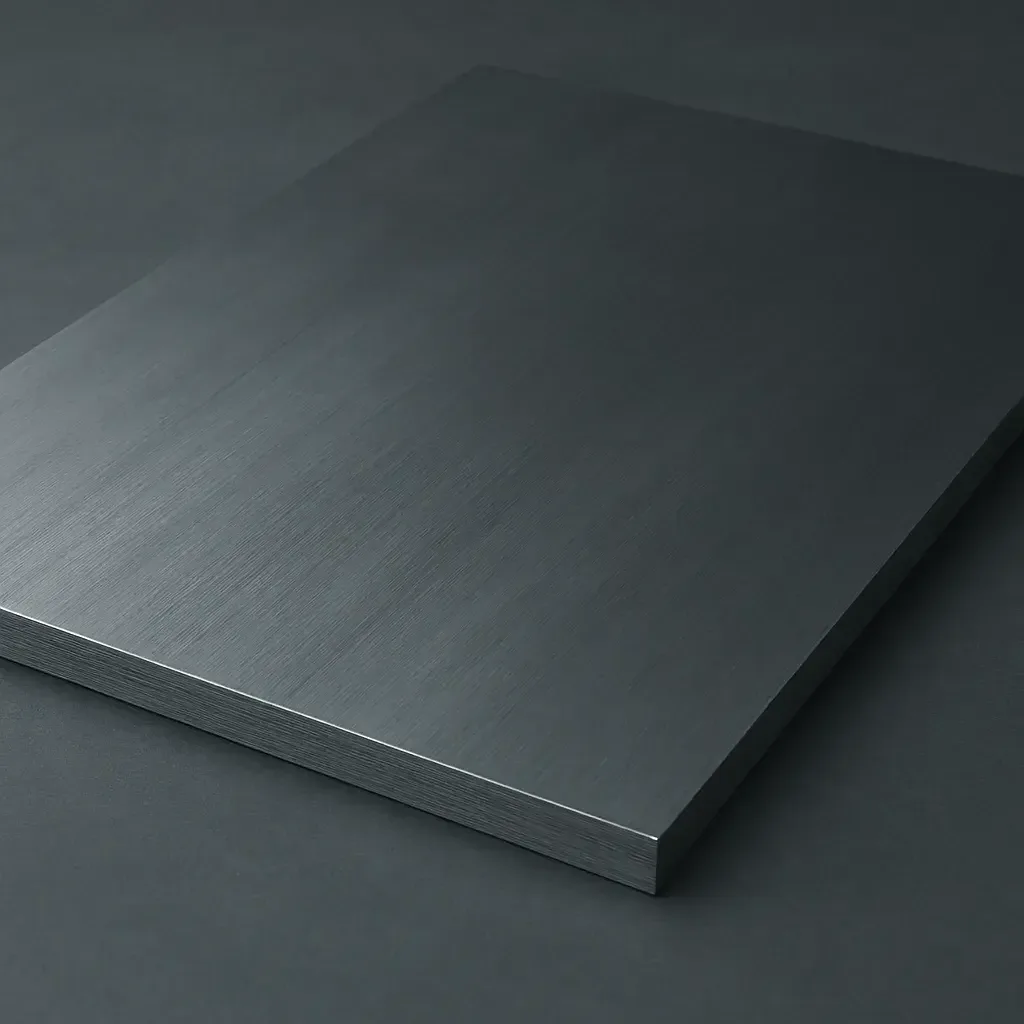
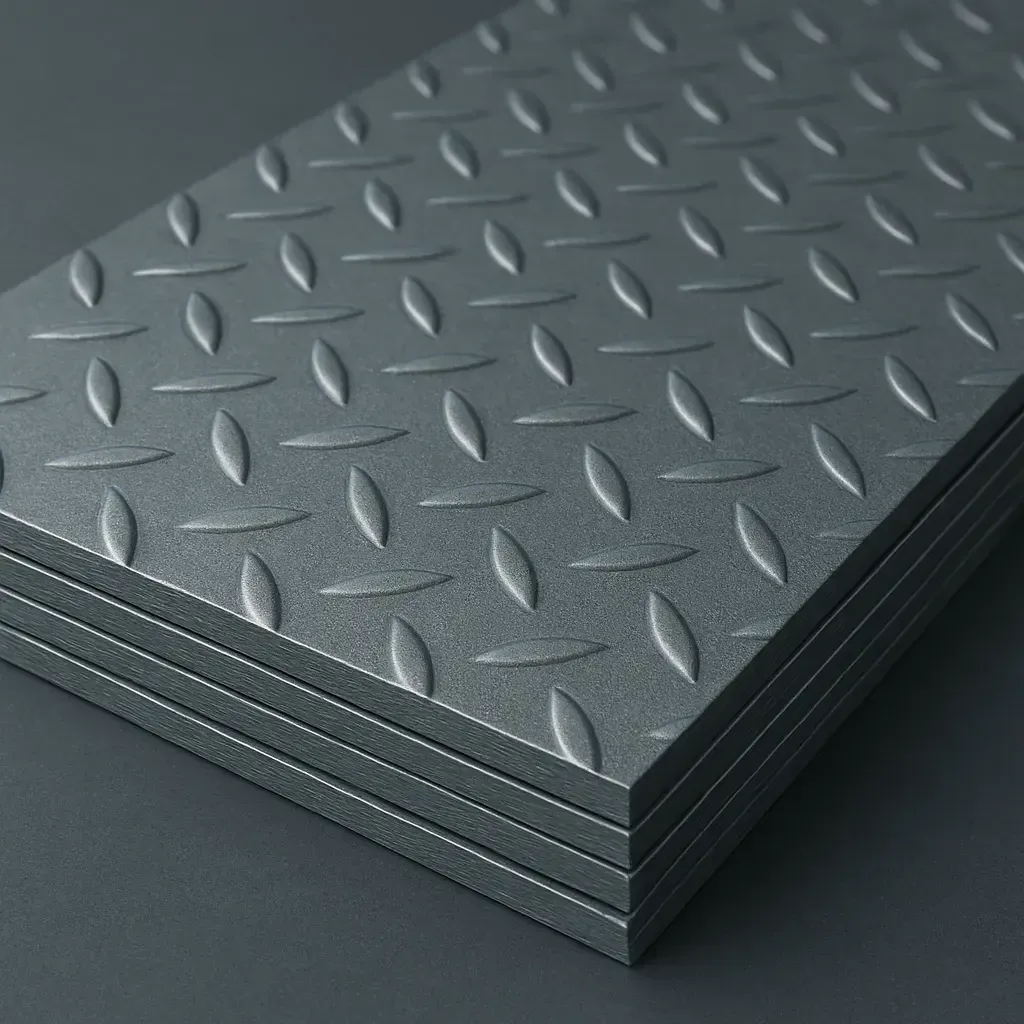


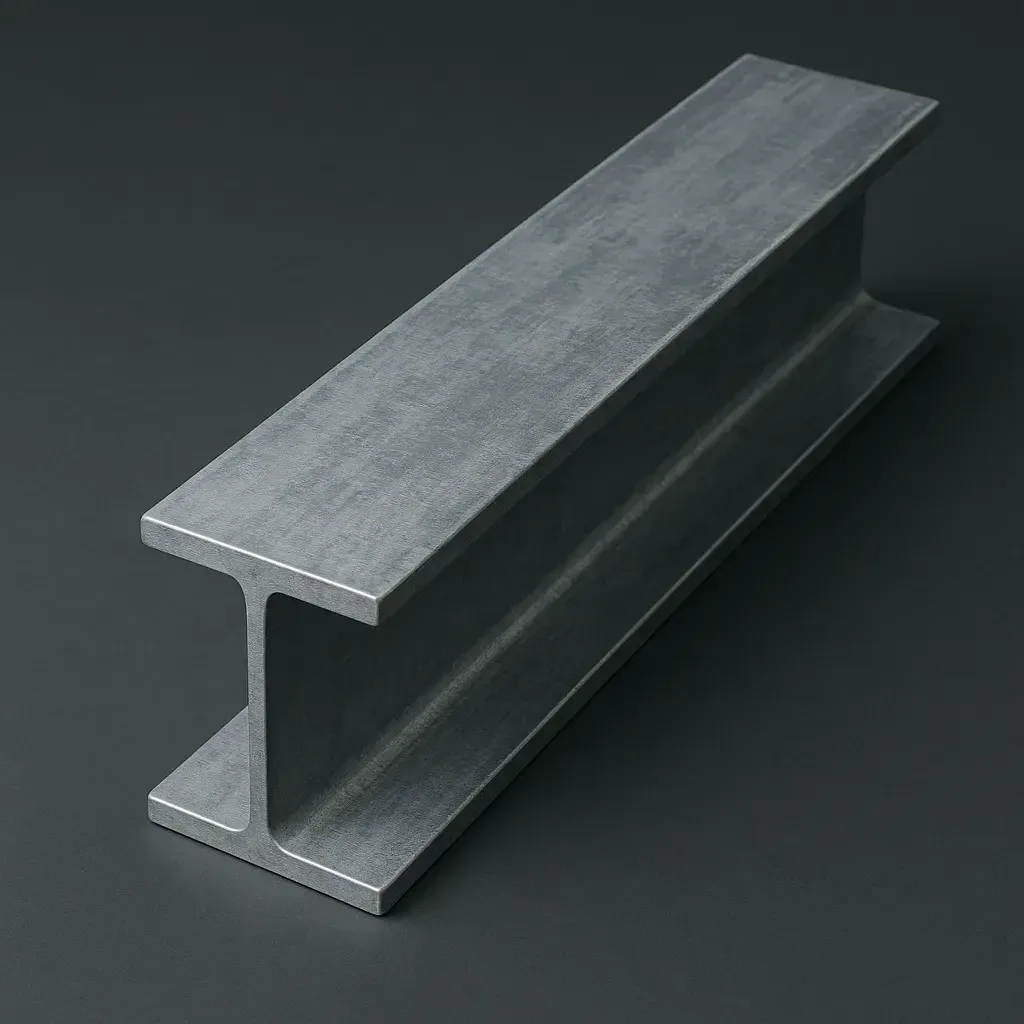

CHECKER PLATE
EXPANDED METAL SHEETSTEEL PIPESPROFILE PIPESMETAL ANGLE BARCHANNEL BARMETAL BEAM
MASONRY MESH
Hexagon bar
WELDING ELECTRODES
CORRUGATED SHEETING
Square barWe will call you back within 3 minutes
We also
make
CHECKER PLATE
EXPANDED METAL SHEETSTEEL PIPESPROFILE PIPESMETAL ANGLE BARCHANNEL BARMETAL BEAM
MASONRY MESH
Hexagon bar
WELDING ELECTRODES
CORRUGATED SHEETING
Square barWe will call you back within 3 minutes