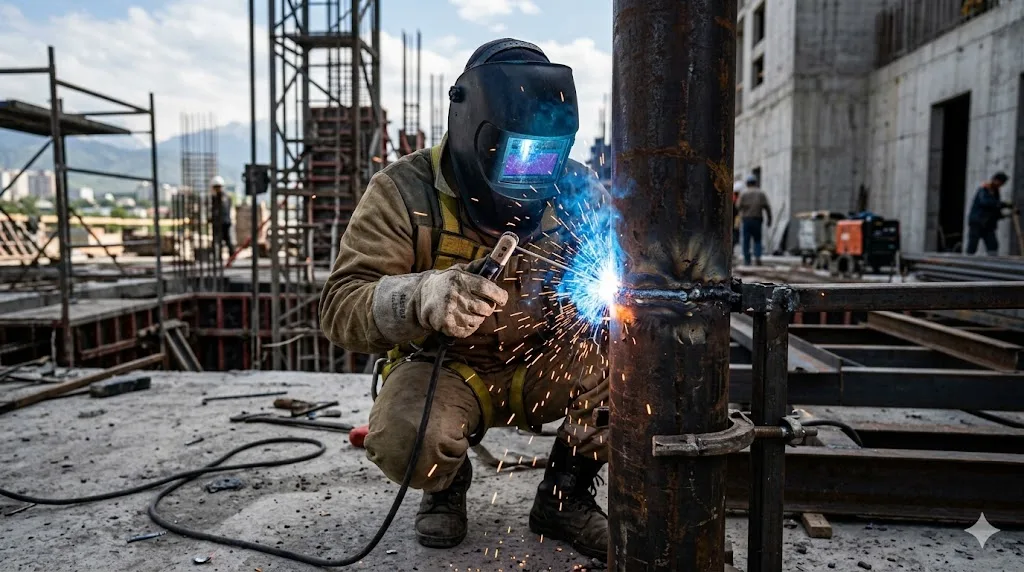
PIPE welding in Almaty
from 800 tg.* PER JOINT
Is the joint leaking or do you need new piping? We weld steel, stainless steel and profile with pressure testing of every seam: steel pipe joint — from 1 500 ₸ per 15–20 minutes.
 Pressure testing 1,5 times higher
than working pressure Pipe joint DN 50
in 15–20 minutes 3-year warranty
on every seam Call-out 3 000 ₸, at
the workshop — without call-out
PIPE welding in Almaty
from 800 tg.* PER JOINT
CALCULATE THE COST OF WELDING WORKIs the joint leaking or do you need new piping? We weld steel, stainless steel and profile with pressure testing of every seam: steel pipe joint — from 1 500 ₸ per 15–20 minutes.
Pressure testing 1,5 times higher
than working pressure
Pipe joint DN 50
in 15–20 minutes
3-year warranty
on every seam
Call-out 3 000 ₸, at
the workshop — without call-out
PIPE welding in Almaty
from 800 tg.* PER JOINT
Is the joint leaking or do you need new piping? We weld steel, stainless steel and profile with pressure testing of every seam: steel pipe joint — from 1 500 ₸ per 15–20 minutes.
Pressure testing 1,5 times higher
than working pressure
Pipe joint DN 50
in 15–20 minutes
3-year warranty
on every seam
Call-out 3 000 ₸, at
the workshop — without call-out
Types of welding
work we do
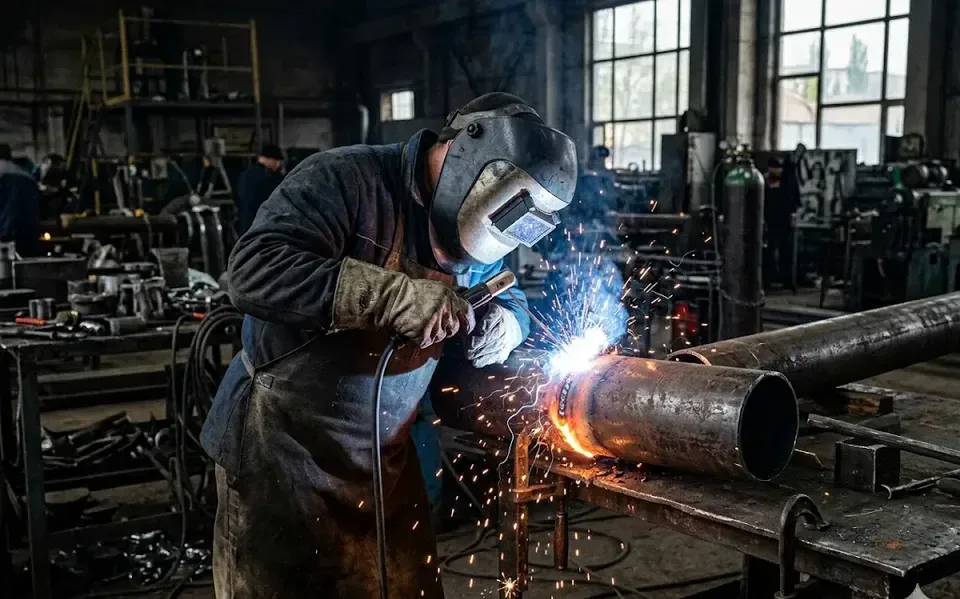
Steel pipe welding
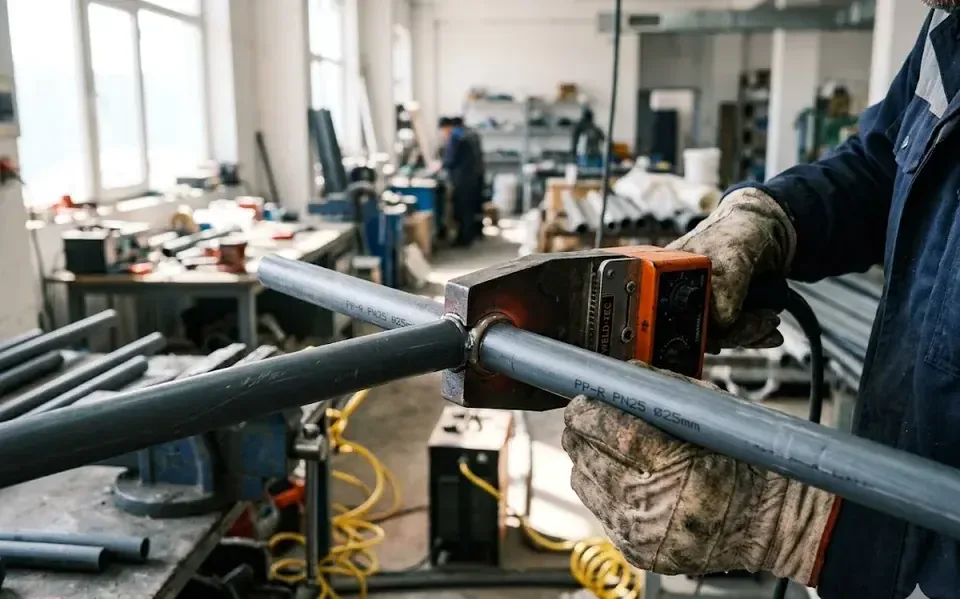
Polypropylene pipe welding
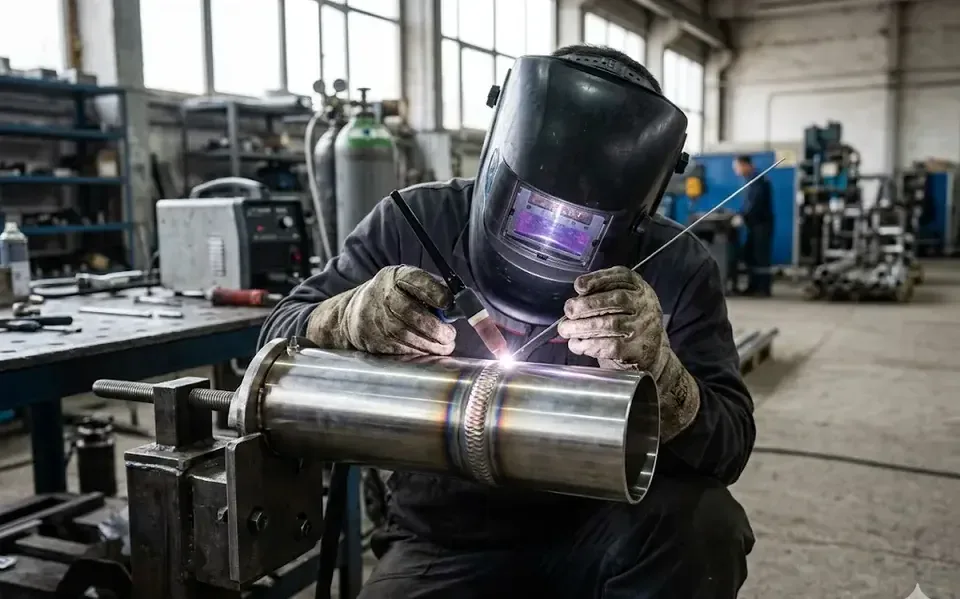
Stainless steel pipe welding
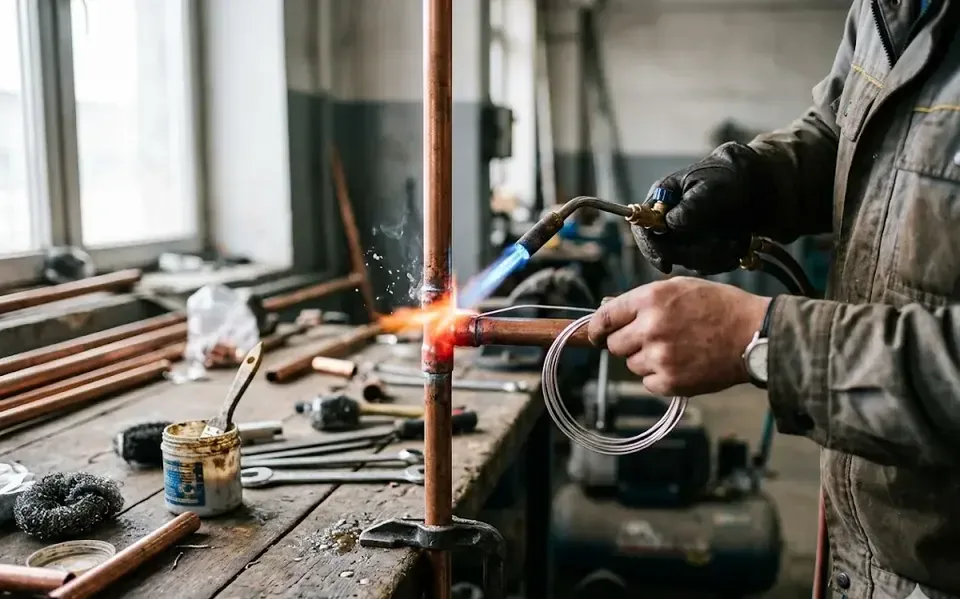
Copper pipe welding
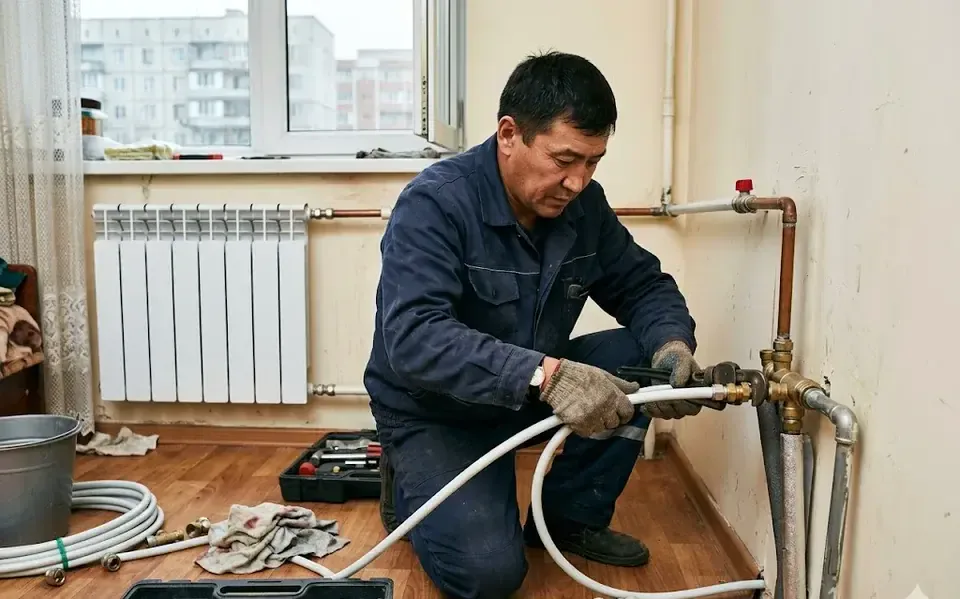
Heating pipe welding
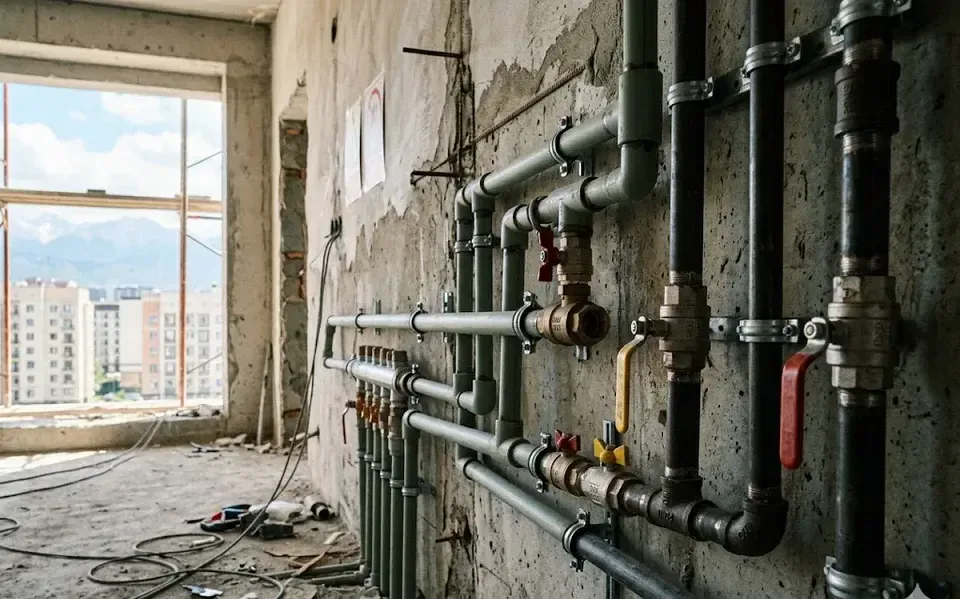
Water supply pipe welding
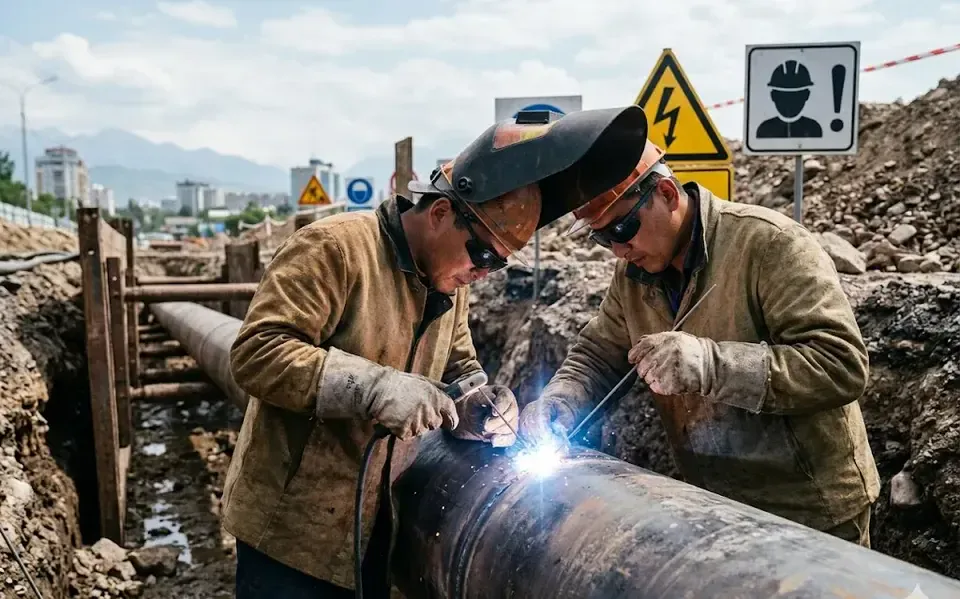
Gas pipe welding
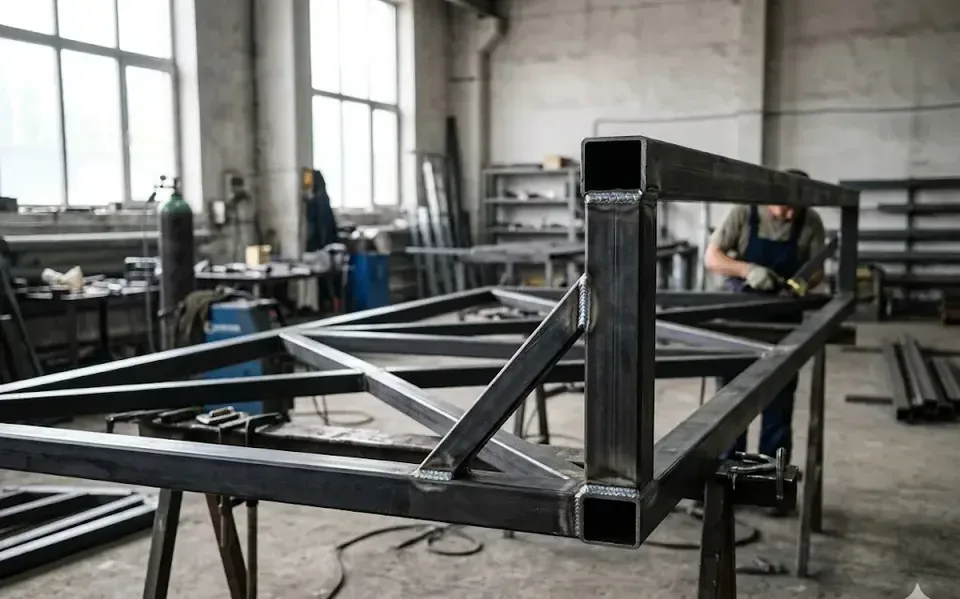
Profile pipe welding
Types of welding
work we do
Steel pipe welding
Polypropylene pipe welding
Stainless steel pipe welding
Copper pipe welding
Profile pipe welding
Water supply pipe welding
Gas pipe welding
Heating pipe welding
We will call you back within 3 minutes
Types of welding
work we do
Steel pipe welding
Polypropylene pipe welding
Stainless steel pipe welding
Profile pipe welding
Heating pipe welding
Water supply pipe welding
Gas pipe welding
Copper pipe welding
We will call you back within 3 minutes
Cost of PIPE WELDING
IN ALMATY
| SERVICE | COST | TIME |
|---|---|---|
| Site visit by a technician in Almaty | 3 000 ₸ | from 1 hour |
| Trip outside the city (up to 30 km) | 5 000 ₸ | from 1,5 hour |
| Urgent visit on the day of order | +1 000 ₸ | on the day of order |
| Minimum order | 2 joint or 1 m of seam | — |
| Joint of steel pipe VGP Du 15–32 | from 1 500 ₸ | 15–20 min |
| Joint of DN 40–80 steel pipe | from 2 000 ₸ | from 30 min |
| Joint of DN 100–150 steel pipe | from 3 000 ₸ | from 1 hour |
| Joint of stainless steel pipe DN 15–50 (argon) | from 2 500 ₸ | from 30 min |
| Joint of stainless steel pipe DN 60–100 (argon) | from 3 500 ₸ | from 1 hour |
| Joint of profile pipe 20×20–60×60 | from 1 200 ₸ | from 15 min |
| PP pipe joint up to 32 mm (soldering) | from 800 ₸ | from 0,3 hour |
| PP pipe joint 32–63 mm (soldering) | from 1 200 ₸ | from 0,5 hour |
| Meter of weld on a Du 50–80 steel pipe (MMA) | from 3 500 ₸ | from 1 hour |
| Joint pressure testing | included in the price | 10 minutes |
Преимущества СВАРОЧНЫХ РАБОТ ОТ Profi‑Dom

Full root penetration at every joint
We chamfer 30–45° on a wall from 3 mm — the weld penetrates the pipe through and does not leak

Pipe welder with 12 years of experience
Steel — with MMA electrode, profile — with semi-automatic, stainless steel — with TIG argon
Argon welding with internal purging
We weld AISI 304/321 stainless steel with 8–12 l/min purging — without scale inside the pipe

8–12 joints per day
Joint of steel pipe Du 50 — 15–20 minutes; we state the work timeline before starting and write it in the estimate

3-year warranty on seams
We record the pressure test of each joint in the act; if a seam leaks — we'll re-weld for free

Price per joint from 1 500 ₸
Pressure testing is included in the joint price, departure in Almaty — 3 000 ₸, at the workshop — without departure
Преимущества СВАРОЧНЫХ РАБОТ ОТ Profi‑Dom
We chamfer 30–45° on a wall from 3 mm — the weld penetrates the pipe through and does not leak
Full root penetration at every joint
Steel — with MMA electrode, profile — with semi-automatic, stainless steel — with TIG argon
Pipe welder with 12 years of experience
We weld AISI 304/321 stainless steel with 8–12 l/min purging — without scale inside the pipe
Argon welding with internal purging
Joint of steel pipe Du 50 — 15–20 minutes; we state the work timeline before starting and write it in the estimate
8–12 joints per day
We record the pressure test of each joint in the act; if a seam leaks — we'll re-weld for free
3-year warranty on seams
Pressure testing is included in the joint price, departure in Almaty — 3 000 ₸, at the workshop — without departure
Price per joint from 1 500 ₸
We will call you back within 3 minutes
Преимущества СВАРОЧНЫХ РАБОТ ОТ Profi‑Dom
We chamfer 30–45° on a wall from 3 mm — the weld penetrates the pipe through and does not leak
Full root penetration at every joint
Steel — with MMA electrode, profile — with semi-automatic, stainless steel — with TIG argon
Pipe welder with 12 years of experience
We weld AISI 304/321 stainless steel with 8–12 l/min purging — without scale inside the pipe
Argon welding with internal purging
Joint of steel pipe Du 50 — 15–20 minutes; we state the work timeline before starting and write it in the estimate
8–12 joints per day
We record the pressure test of each joint in the act; if a seam leaks — we'll re-weld for free
3-year warranty on seams
Pressure testing is included in the joint price, departure in Almaty — 3 000 ₸, at the workshop — without departure
Price per joint from 1 500 ₸
We will call you back within 3 minutes
HOW WE WORK
- 01.Request and photo
Describe the pipe — material, diameter, number of joints — or send a photo, and we will call back within 3 minutes.
- 02.On-site visit or workshop
A technician travels to the site for 3 000 ₸ within Almaty, or you can bring the pipes to the workshop — no travel fee.
- 03.Estimate by joints
We calculate the price per joint or meter of seam by diameter and material and fix it before starting work.
- 04.Approval of the contract
We fix the price, deadlines and 3-year warranty on welded seams in the contract.
- 05.Edge preparation
We chamfer 30–45° on the wall from 3 mm, clean the edges to a shine, degrease stainless steel.
- 06.Welding matched to the material
We weld steel with an MMA electrode, profile with a semi-automatic machine, and stainless steel with TIG argon and purging.
- 07.Joint pressure testing
We apply pressure 1,5 times higher than the working one and hold for 10 minutes — drop no more than 0,2 atm.
- 08.Act and warranty
We hand over the pressure test report — from this date a 3-year warranty applies to each seam.
Find out the cost of pipe welding in 1 minutes
catalogue of completed welding work
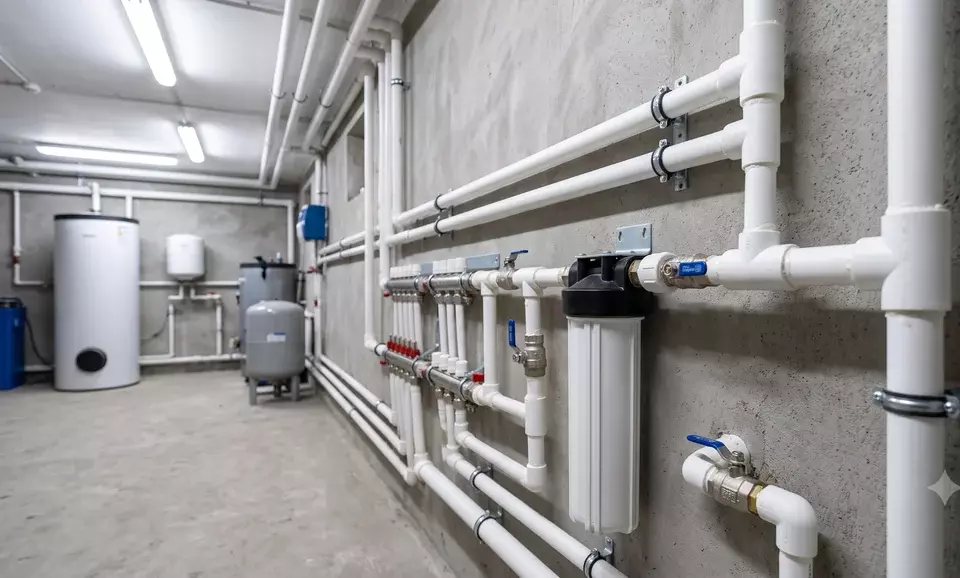 Water supply welding in a private house, Taugul microdistrict
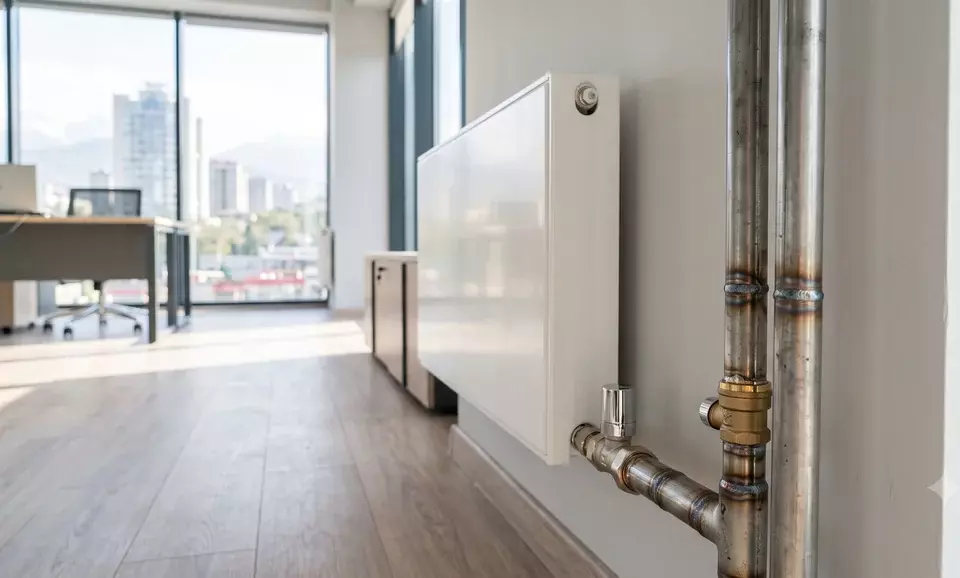 Heating welding in a commercial premises, Nurly Tau Business Centre
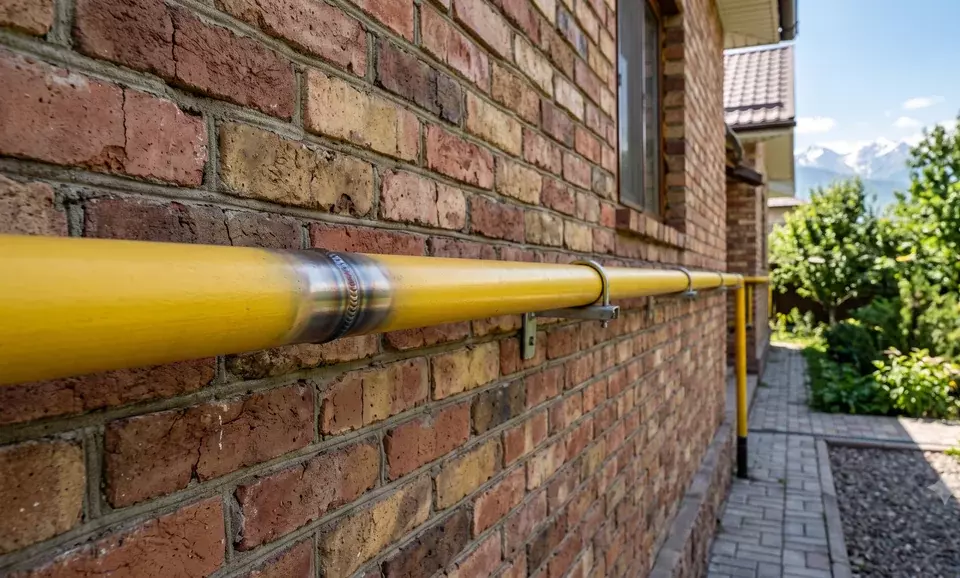 Gas pipeline welding for a private house, Kokkainar village
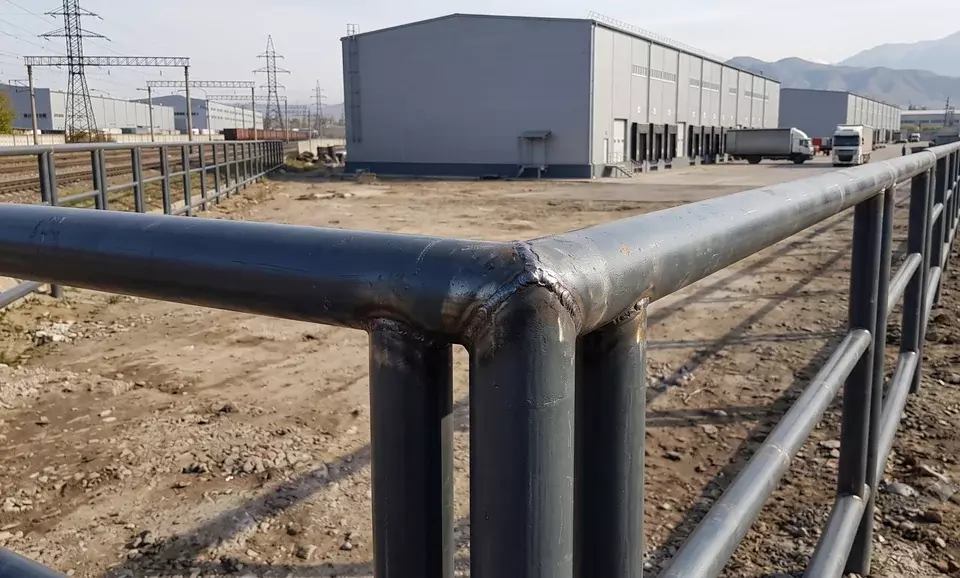 Metal pipe welding for fencing, Almaty industrial zone


FIND OUT THE COST OF WELDING WORK FOR YOUR PROJECT
Leave a request and we will contact you within 3 minutes
Thank you! We will contact you within 3 minutes.
By clicking the button you agree to the terms of the
Or call us at
+7 (707) 068-88-68Privacy PolicyFIND OUT THE COST OF WELDING WORK FOR YOUR PROJECT
Leave a request and we will contact you within 3 minutes
Thank you! We will contact you within 3 minutes.
By clicking the button you agree to the terms of the
Or call us at
+7 (707) 068-88-68Privacy PolicyFIND OUT THE COST OF WELDING WORK FOR YOUR PROJECT
Leave a request and we will contact you within 3 minutes
Thank you! We will contact you within 3 minutes.
By clicking the button you agree to the terms of the
Or call us at
+7 (707) 068-88-68Сварка труб в Алматы от PROFI‑DOM: способы, цены, гарантия
Pipe welding in Almaty — steel, stainless and profile — with MMA electrode, MIG/MAG semi-automatic and TIG argon, in the workshop and on-site. Steel pipe joint — from 1500 ₸, PP soldering up to 32 mm — from 800 ₸, pressure testing of each joint, tightness warranty. The master travels to the site in Almaty, small parts can be welded in the workshop.
Published: 25 · Updated: 4
Which pipe welding method to choose: electrode, semi-automatic or argon
Let us look at the three main methods — manual arc MMA, semi-automatic MIG/MAG and tungsten arc TIG. Each has its own tasks, materials and tightness requirements.
MMA electrode: for steel, heating and risers
We weld steel water supply and heating pipes with MMA electrodes — the method is universal on diameters from Ду 15–150 mm with wall thickness from 2,5 mm and ensures full root penetration. Basic-coated electrodes (UONI 13/55, TSU-5) form ductile deposited metal: the seam withstands water hammer, temperature fluctuations in heating systems, and pressure up to 16 atm. On cold water risers in Almaty high-rises we use rutile-coated electrodes — they strike more easily and give a smooth bead on vertical joints. At PROFI-DOM, on VGP and electric-welded straight-seam pipes we use MMA with Resanta SAI-250 and Fubag IR 200 machines, setting the current to 90–180 A depending on diameter.
Semi-automatic MIG/MAG: for profile pipes and steel structures
With MIG/MAG semi-automatic welding we weld profile pipes (square 20×20, 40×40, rectangular 60×40) for canopies, fences and frames — the work goes faster than with an electrode, and the seam is neater and slag-free. On Aurora Speedway 200 and Resanta SAIPA-200 machines we feed Sv-08G2S wire with a diameter of 0,8–1,0 mm in a mixture of CO₂ and argon: for thin-walled profile pipe (wall 1,5–2 mm) this reduces the risk of burn-through and gives an even bead without undercuts. At PROFI-DOM on long seams of metal structures (from 2 meters) the semi-automatic saves up to 40% of time compared to MMA, while wire consumption is 0,8–1,2 kg per 10 meters of seam.
Tungsten inert gas TIG: for stainless steel and critical joints
We weld AISI 304 and AISI 321 stainless steel pipes with argon TIG for food lines, heating and decorative applications — the seam comes out hermetic, free of scale, with root penetration and a matte surface. On Fubag TIG 200 AC/DC and Aurora TIG 200P machines we work on direct current with a tungsten electrode 1,6–2,4 mm in diameter: for a 25×2 mm pipe we set 80–120 A, argon flow rate — 6–10 l/min. At PROFI-DOM argon welding is mandatory on joints of thin-walled stainless steel (wall 1–2 mm) — overheating with an electrode or a semi-automatic machine leads to loss of corrosion resistance and intergranular corrosion along the weld line.
Which method is best for your task
Pipe welding begins with choosing a method: it is determined by the material, diameter, and tightness requirements.
- Steel water supply/heating pipe (wall thickness from 2,5 mm): MMA electrode — a reliable root seam, withstands pressure up to 16 atm.
- Structural square tube (wall thickness 1,5–3 mm): MIG/MAG semi-automatic — high speed, neat seam, minimal risk of burn-through.
- Stainless steel pipe (wall 1–3 mm): TIG argon — a leak-tight weld without scale, preserving corrosion resistance.
- Pressurised pipeline (heating, gas): MMA or TIG only, with mandatory root penetration and pressure testing.
Which pipes we weld: steel, stainless, profile — for water supply, heating and structures
We take orders for welding steel, stainless steel and profile pipes — for water supply, heating and steel structures. We will tell you which pipes suit which tasks.
Galvanised and electric-welded steel pipes: water supply, heating, risers
We weld steel VGP (water-gas) and electric-welded pipes with a diameter from Ду 15 to Ду 150 mm — for risers, water supply mains and heating systems in apartments and private houses in Almaty. VGP pipes according to GOST 3262-75 with threaded ends are used for intra-apartment distribution and risers in multi-storey buildings, and electric-welded pipes according to GOST 10704-91 — for high-pressure mains in boiler houses and private houses with solid fuel boilers. Welding of heating pipes with a coolant up to 95 °C is performed with basic-coated electrodes — the seam withstands cyclic expansion/compression loads without microcracks.
Profile pipes: square, rectangular — for canopies, fences, frames
We weld square and rectangular tubes (square 20×20 — 100×100 mm, rectangular up to 160×80 mm) with a MIG/MAG semi-automatic — for canopies, fences, greenhouses and load-bearing frames. The most common sections in Almaty orders are 40×40×2 mm for greenhouse frames, 60×40×2,5 mm for car park canopies and 80×80×3 mm for fence posts up to 3 m high. For square tube with a wall thickness of 1,5–2 mm we use the “short arc” mode on the semi-automatic — this eliminates burn-through and gives an even seam without spatter.
Stainless steel pipes AISI 304 and AISI 321: food lines, heating, decor
We weld AISI 304 (food-grade) and AISI 321 (heat-resistant) stainless pipes with TIG argon welding with purging — for food lines, heating, handrails and decorative elements. AISI 304 is used for drinking water supply, milk pipelines and beer lines — the seam does not impart a metallic taste and does not corrode from detergents; AISI 321 with added titanium — for chimneys and heating where the temperature reaches 600 °C. For high-temperature systems AISI 321 is preferable — the seam is not prone to intergranular corrosion, which extends the service life of the chimney.
Which pipes we do not weld and why
- Cast iron: requires special electrodes and preheating — not our speciality.
- Plastic (HDPE, metal-plastic): HDPE is welded by butt or electrofusion welding, metal-plastic is assembled on fittings — this is not our profile; polypropylene is soldered separately, from 800 ₸ per joint (PP up to 32 mm), from 1200 ₸ (PP 32–63 mm).
- Water inside the pipeline: welding a wet pipe is impossible — the system must be drained and shut down.
- Pipes with residual moisture: without drying the joint, steam in the welding zone creates pores, and the seam leaks under pressure.
- Galvanised water supply pipes: during welding the zinc evaporates, forming toxic fumes and a porous weld — threaded fittings are better.
Tightness and quality of the joint: root penetration, pressure testing, no leaks
A welded pipe joint must be leak-tight — this is the main requirement for water supply and heating. Let us explain how quality is achieved and every joint is tested.
Root penetration: why it is the basis of leak-tightness
We ensure root penetration on every joint — this is the first pass, which forms a leak-tight connection from inside the pipe and prevents lack of penetration that leads to leaks. On thin-walled stainless steel pipe (wall 1,5–2 mm) the root pass is performed at a reduced current (15–20 % below the main one) — this prevents burn-through and gives uniform fusion of the edges around the entire circumference of the pipe.
Edge preparation and pipe preparation before welding
Before starting work, we bevel the edges (remove a chamfer at an angle of 30–45°) on pipes with a wall thickness of 3 mm or more — this ensures full penetration and tensile strength of the joint. On a steel pipe DN 50 (wall 3,5 mm), the chamfer is removed with an angle grinder with a grinding wheel to a depth of 1,5–2 mm around the entire circumference — a V-shaped groove is formed, into which the first bead of the root seam is laid. On a profile pipe 40×40 mm with a wall thickness of 2 mm, a chamfer is not needed — it is enough to clean the edges to a metallic shine to remove scale and rust, otherwise slag will block penetration. Before welding a stainless steel pipe, we additionally degrease the edges with acetone — the oil film from rolling during heating creates pores in the joint that are invisible to the eye but leak water during pressure testing. On heating pipes with a wall thickness of 4–5 mm, a chamfer is mandatory — without it, the root seam will not be fully penetrated, and the joint will leak at the first water hammer.
Pressure testing and hydrostatic testing: checking every seam
After completion, we pressure-test (hydrotest) each joint at a pressure 1,5 times higher than the working pressure — for water supply this is 9–12 atm, for heating up to 6 atm. We connect a manual or electric pressure test pump to the system, raise the pressure to the control value and record the readings of a pressure gauge of accuracy class 1,5. Within 10 minutes we visually inspect each joint — if there is a leak, water appears on the surface as droplets or fine condensation; on a stainless pipe, a leak is noticeable by a dark oxide stripe. If the pressure drops by more than 0,2 atm within 10 minutes and there are no visible leaks, the joint is considered not hermetic: it is opened and re-welded, then the pressure test is repeated.
Signs of quality welding: how to check yourself
- Even ripples: the width and height of the bead are the same along the entire length of the seam — this means the welder moved the arc at a constant speed.
- No pores or craters: there are no blowholes, pinholes or depressions on the surface — such defects cause leaks under increased pressure.
- Smooth transition to the pipe: the joint has no undercuts (depressions) at the edges — an undercut weakens the wall and leads to a crack under water hammer.
- Weld colour (for stainless steel): from straw to light blue — black scale or a matte grey colour indicates overheating and loss of corrosion resistance.
- Pressure test report: the pressure holds without dropping for 10 minutes — this is official confirmation of tightness, which will be useful for any warranty claim.
TIG welding of stainless steel pipes: purging, heat tint, AISI 304/321
TIG argon pipe welding is a separate technology with requirements for gas shielding of the weld pool. We explain how to weld stainless steel without losing corrosion resistance.
How argon welding of stainless steel differs from ordinary welding
TIG argon welding of stainless steel pipe differs from conventional electrode welding in that the joint is protected by an inert gas — argon displaces oxygen, eliminating scale and preserving the corrosion resistance of the stainless steel. With electrode MMA welding, the arc heats the pipe to 600–800 °C, the chromium in the weld zone oxidizes, and when overheated it binds with carbon into carbides — the metal loses its passive film. On AISI 304 stainless steel with a chromium content of 18–20 %, a drop in concentration in the weld zone to 12 % makes the joint susceptible to corrosion. A TIG argon welder uses a gas lens and a 2,4 mm tungsten electrode — this produces a narrow weld with minimal heat input. When working with an MMA electrode without argon, chromium carbides form in the weld — after 6–12 months, pitting corrosion begins at that spot, especially in heating systems with hard water.
Argon purging from the inside: protecting the back of the seam
When welding stainless steel pipes, we use argon purging from the back side of the weld — this protects the root bead from oxidation and prevents "heat tint" (oxidation colors) inside the pipe. Argon is supplied through a special plug with a dosing tube: for a pipe with a diameter of 32 mm and a wall of 2 mm, the flow rate is 8–12 liters per minute, while the pressure does not exceed 0,1 bar so as not to blow out the molten metal. On AISI 321 pipes (heat-resistant with titanium addition), purging is mandatory — titanium actively oxidizes in air, and without protection the weld root becomes brittle. In the PROFI-DOM workshop, a system with two plugs and an inlet pressure gauge is used — this allows controlling gas consumption along the entire length of the joint. Without purging, black scale (chromium oxide) forms on the inner side of the joint — it reduces corrosion resistance and can flake off, clogging the system.
Which stainless steel pipes we weld: AISI 304, AISI 321, thin-walled
We weld stainless steel pipes AISI 304 (food-grade stainless) and AISI 321 (heat-resistant) with a diameter from 15 to 100 mm, with a wall from 1 to 4 mm — with argon TIG with purging. For AISI 304 pipes with a thickness of 2–3 mm (water supply and heating) we use a mode of 90–120 A with direct current — the seam is 5–7 mm wide without spatter. AISI 321 with a thickness of 3–4 mm (chimneys, gas ducts) we weld without preheating and allow the metal to cool below 150 °C between passes — when overheated, the titanium in the composition burns out and heat resistance drops. Thin-walled stainless steel (wall 1–1,5 mm) we weld in pulsed TIG mode — short current pulses reduce heat input and prevent burn-through even on small-diameter pipes.
Heat tint on stainless steel: normal or a defect
- Straw / light yellow: heating up to 300–400 °C — the norm for food-grade and decorative pipes, does not affect corrosion resistance.
- Blue / purple: heating up to 500–600 °C — acceptable for technical pipelines, passivation of the welding zone with acid is required.
- Dark blue with a gray tint: heating above 600 °C — a noticeable decrease in corrosion resistance, cleaning with a stainless steel brush is required.
- Black with scale: overheating, a defect — the weld is re-welded with argon purging, otherwise pitting corrosion will set in within 3–6 months.
Pipe welding prices: per joint, per metre of seam, callout — PROFI-DOM rates
The price of pipe welding depends on the diameter, material, method and the need for a site visit. We provide rates — per joint, per metre of weld and per master's visit.
Price of pipe welding per joint: rate table by diameter
| Work / Pipe type | Welding method | Unit | Price from, ₸ |
|---|---|---|---|
| Galvanised steel pipe, DN 15–32 mm | MMA / TIG | butt joint | 1500 |
| Galvanised steel pipe, DN 40–80 mm | MMA / TIG | butt joint | 2000 |
| Galvanised steel pipe, DN 100–150 mm | MMA / TIG | butt joint | 3000 |
| Stainless steel pipe AISI 304/321, DN 15–50 mm | TIG (argon) | butt joint | 2500 |
| Stainless steel pipe AISI 304/321, DN 60–100 mm | TIG (argon) | butt joint | 3500 |
| Profile pipe, 20×20 – 60×60 mm | MIG/MAG | butt joint | 1200 |
| Profile pipe, 80×80 – 160×80 mm | MIG/MAG | butt joint | 2000 |
| Site visit by a technician in Almaty | — | per call-out | 3000 |
| Master's visit outside the city (up to 30 km) | — | per call-out | 5000 |
Price of pipe welding per metre of seam: for long seams and structures
For long seams (steel structures, fences, frames) the price is calculated per metre of seam — from 2500 ₸ per metre for profile pipe with a semi-automatic welder. On a DN 50–80 mm steel pipe a metre of seam with an MMA electrode costs from 3500 ₸, and on AISI 321 stainless steel with TIG argon — from 5000 ₸, taking into account the consumption of argon and the tungsten electrode. A metre of seam on thick-walled pipe (wall thickness 6–10 mm) costs 30–40 % more because of multi-pass welding and a larger amount of deposited metal. A pipe welder deposits 15–25 metres of seam per day on profile pipe (semi-automatic) or 8–12 joints on a DN 50 mm steel pipe (electrode) — this is a guideline for budget planning.
Additional services and minimum order
- Minimum order: 2 joint or 1 meter of seam; the site visit is paid separately.
- Visit in Almaty: 3000 ₸ within the city, 5000 ₸ outside the city (up to 30 km).
- Welding in the workshop: no call-out fee, you can bring the pipes yourself.
- Pressure testing: included in the price of every joint — not charged separately.
- Urgent call-out (same day as order): +1000 ₸ on top of the call-out fee.
Welding rates: what affects the final cost
- Pipe diameter: the larger the diameter, the higher the rates — more metal and more time per joint.
- Material: stainless steel costs more than steel because of argon and the welder's qualifications.
- Welding method: TIG (argon) costs 30–50 % more than MMA (electrode).
- Access: work in a hard-to-reach place (under the ceiling, in a narrow shaft) — a 20–30 % surcharge.
Conclusion
Pipe welding is a process where the price of a mistake is a leak under pressure or the collapse of a structure. We have gathered the essentials so that you can make an informed decision.
Key takeaways
- The choice of welding method depends on the material and pipe diameter: electrode welding is suitable for steel pipes, semi-automatic for profile, and argon-arc welding with purging for stainless steel.
- The quality of the joint is determined by edge preparation, root penetration and subsequent pressure testing — these stages must not be skipped.
- The price of work consists of the pipe diameter, material, connection method and access complexity — the calculation is fixed in the estimate before work begins.
- Warranty on joints — 3 years, the term is fixed in the contract.
- An urgent leak repair requires a specialist to be dispatched immediately: the faster the leak is stopped, the less damage to the pipeline and the premises.