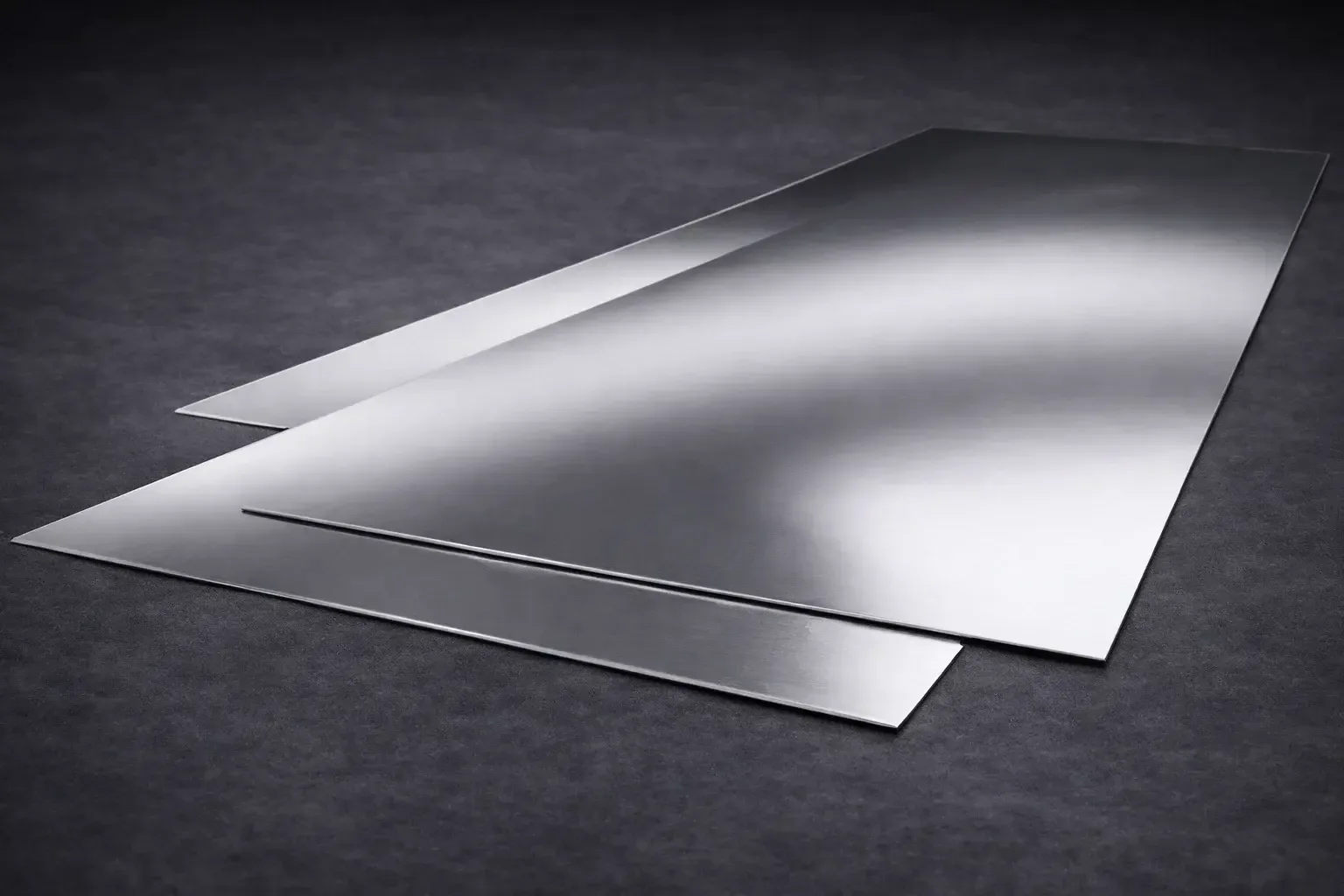
Galvanised steel Almaty
zinc coating up to 275 g/m², GOST quality
Corrosion protection for up to 30 years, needs no painting, dispatch in 24 hours.
 Savings of up to 15% thanks to direct supplies from Kazakhstan and Russia
 Warehouse: 3 000 tonnes, 95% items in stock
 18 vehicles in our own fleet
 Every batch comes with GOST and EN certificates
Galvanised steel Almaty
zinc coating up to 275 g/m², GOST quality
Corrosion protection for up to 30 years, needs no painting, dispatch in 24 hours.
Savings of up to 15% thanks to direct supplies from Kazakhstan and Russia
Warehouse: 3 000 tonnes, 95% items in stock
18 vehicles in our own fleet
Every batch comes with GOST and EN certificates
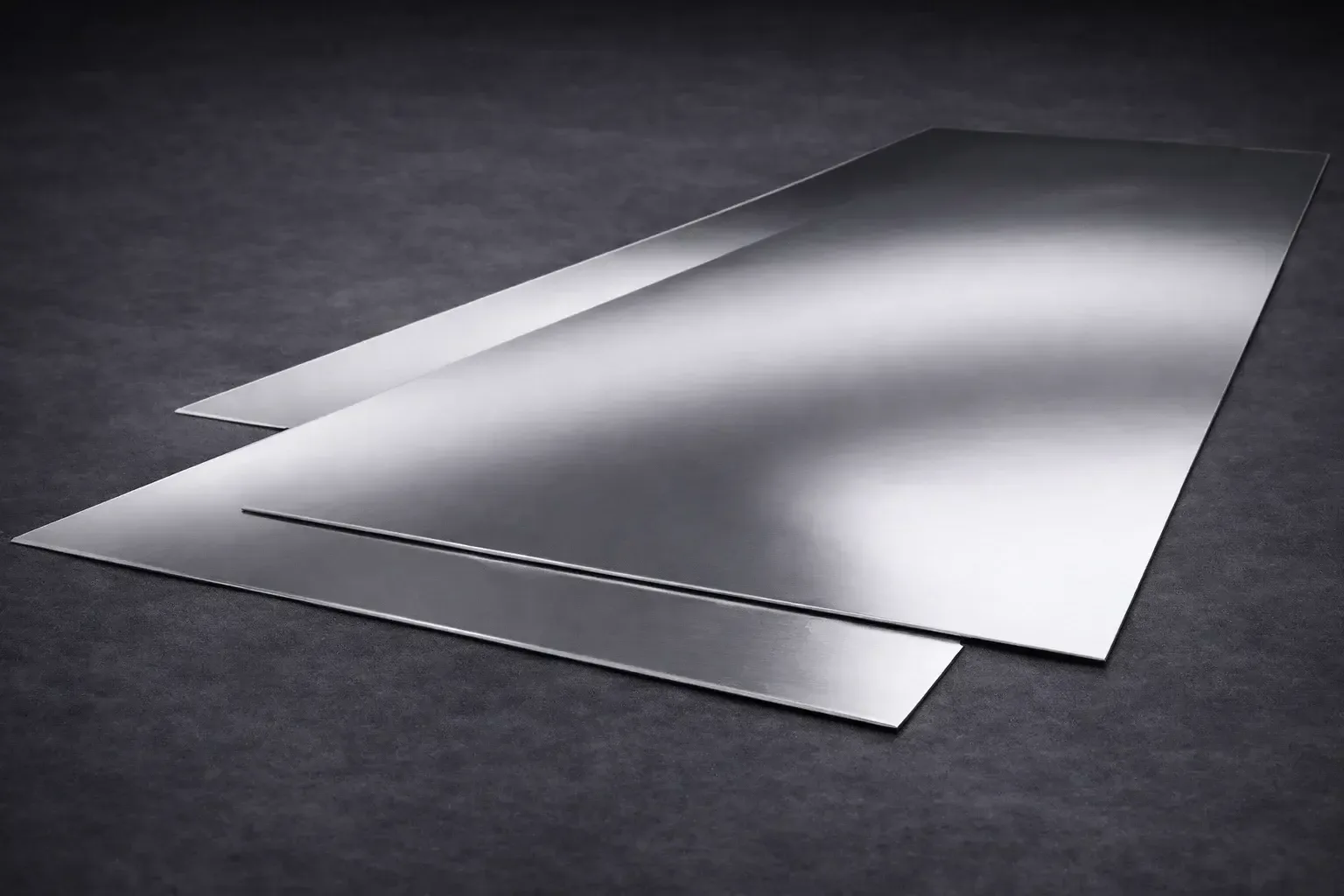
Galvanised steel Almaty
zinc coating up to 275 g/m², GOST quality
Corrosion protection for up to 30 years, needs no painting, dispatch in 24 hours.
Savings of up to 15% thanks to direct supplies from Kazakhstan and Russia
Warehouse: 3 000 tonnes, 95% items in stock
18 vehicles in our own fleet
Every batch comes with GOST and EN certificates
galvanised rolled products catalogue
The price is given per tonne, including production and delivery
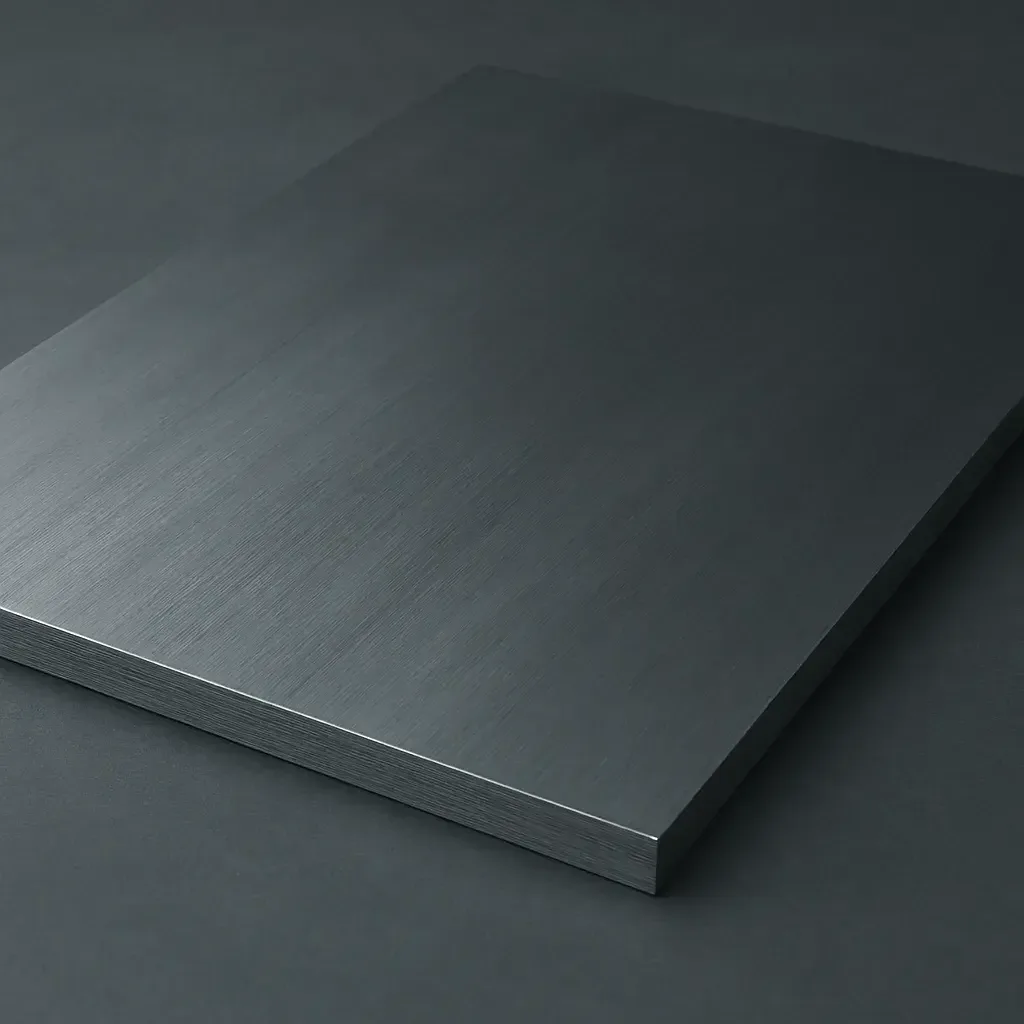
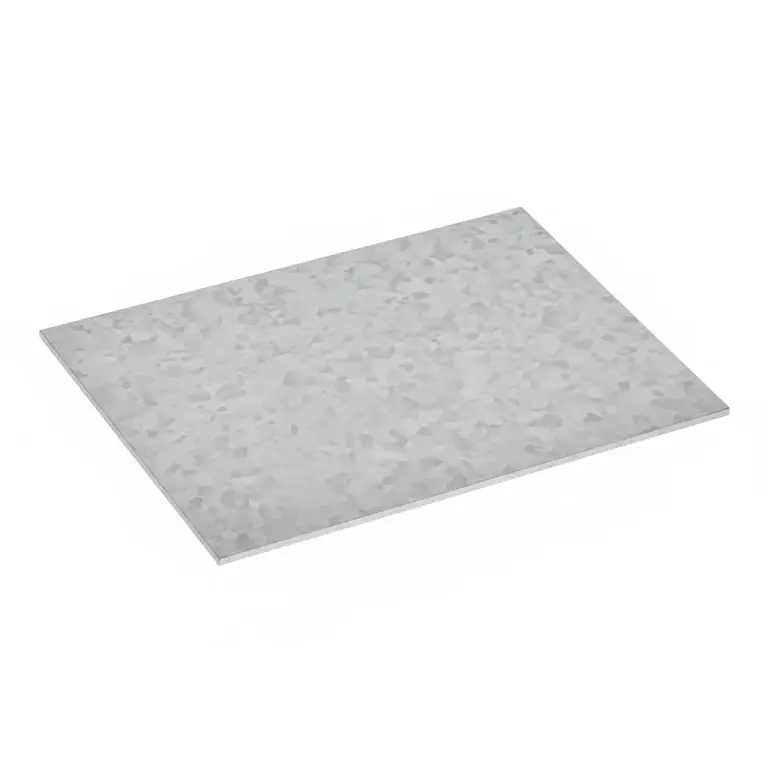 Galvanized sheet 0.4 mm (08ps) GOST 14918 in AlmatyGalvanized sheet 0.45 mm (08ps) GOST 14918 in AlmatyGalvanized sheet 0.5 mm (08ps) GOST 14918 in AlmatyGalvanized sheet 0.7 mm (08ps) GOST 14918 in AlmatyGalvanized sheet 0.8 mm (08ps) GOST 14918 in AlmatyGalvanized sheet 1.0 mm (08ps) GOST 14918 in AlmatyGalvanized sheet 1.2 mm (08ps) GOST 14918 in AlmatyGalvanized sheet 1.5 mm (08ps) GOST 14918 in AlmatyGalvanized sheet 2.0 mm (08ps) GOST 14918 in Almaty
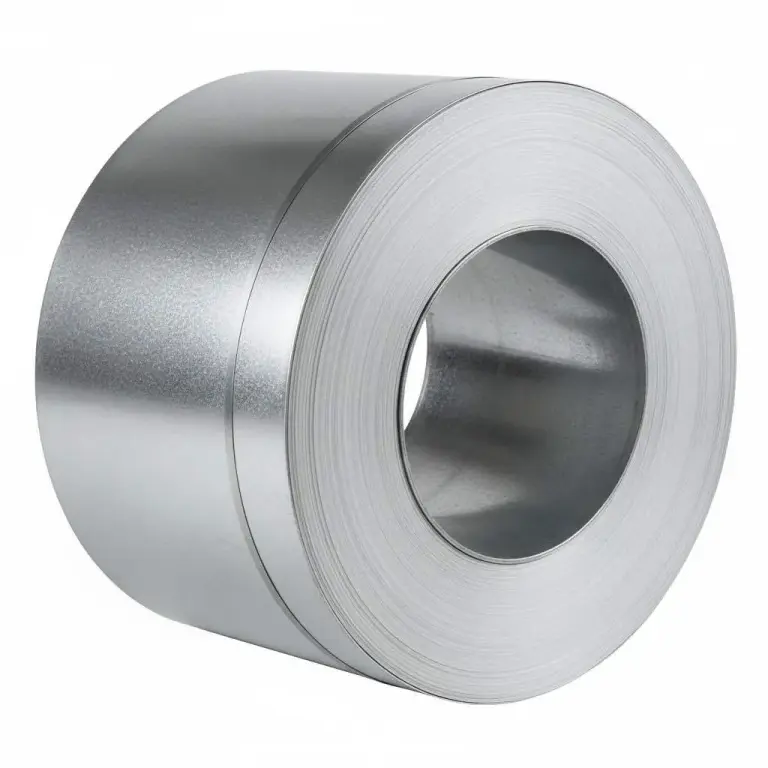 Galvanised coil 0.4 mm (08пс) GOST 14918 in AlmatyGalvanised coil 0.45 mm (08пс) GOST 14918 in AlmatyGalvanised coil 0.5 mm (08пс) GOST 14918 in AlmatyGalvanised coil 0.7 mm (08пс) GOST 14918 in AlmatyGalvanised coil 1.0 mm (08пс) GOST 14918 in Almaty
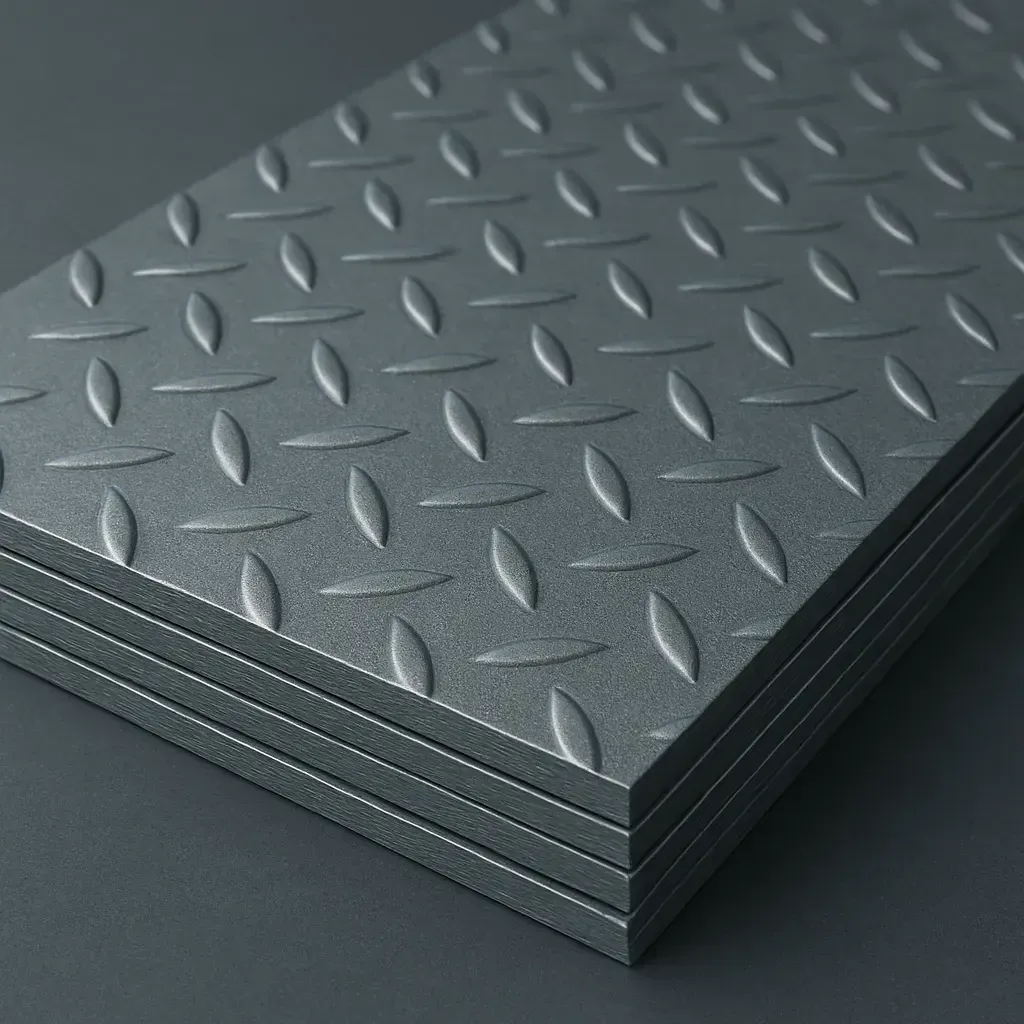
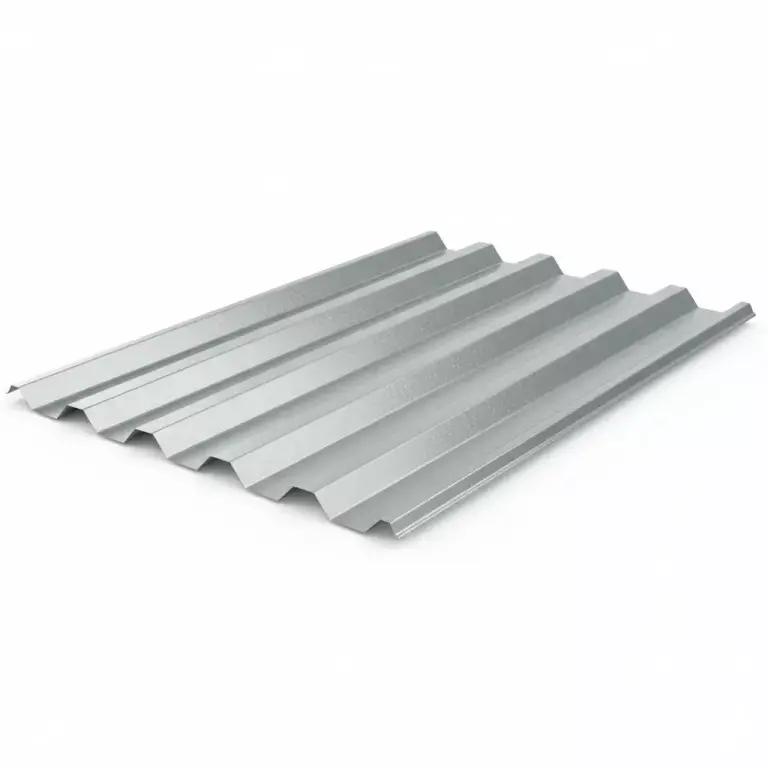 Corrugated sheeting С-8 galvanised 0.4 mm (08пс) GOST 24045 in AlmatyCorrugated sheeting С-8 galvanised 0.45 mm (08пс) GOST 24045 in AlmatyCorrugated sheeting С-8 galvanised 0.5 mm (08пс) GOST 24045 in AlmatyCorrugated sheeting НС-35 galvanised 0.5 mm (08пс) GOST 24045 in AlmatyCorrugated sheeting Н-60 galvanised 0.7 mm (08пс) GOST 24045 in Almaty
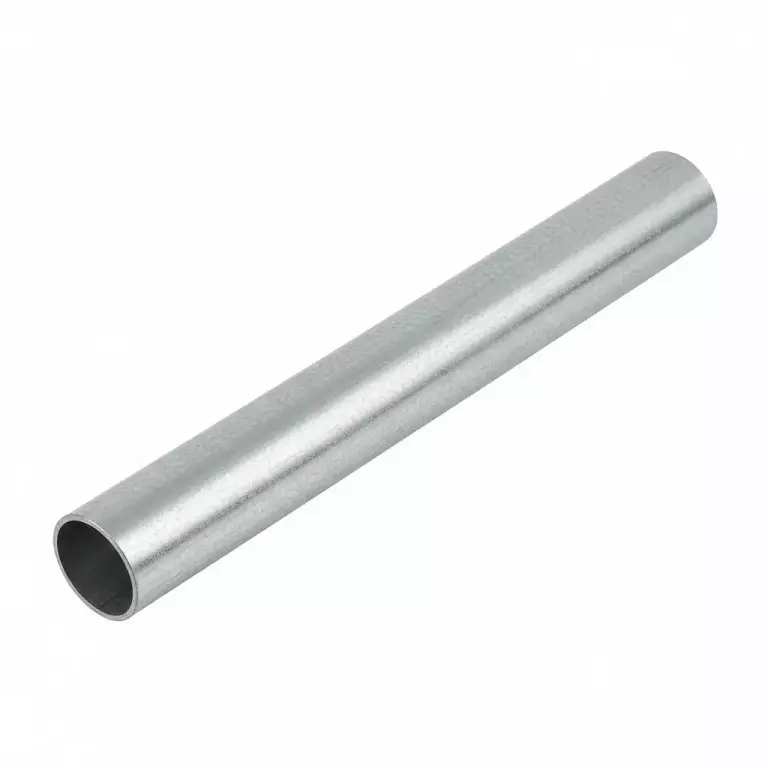 Galvanised VGP pipe Ø20×2.8 mm (st3sp) GOST 3262 in AlmatyGalvanised VGP pipe Ø32×3.2 mm (st3sp) GOST 3262 in AlmatyGalvanised VGP pipe Ø50×3.5 mm (st3sp) GOST 3262 in Almaty
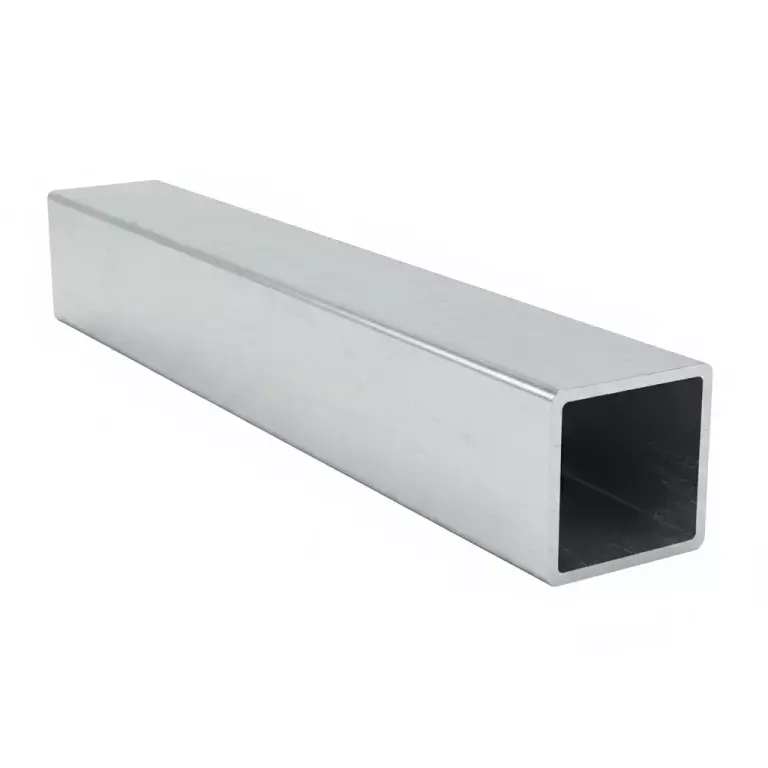 Galvanised square hollow section 20×20×2.0 mm (st3sp) GOST 8639 in AlmatyGalvanised square hollow section 40×20×2.0 mm (st3sp) GOST 8639 in AlmatyGalvanised square hollow section 40×40×2.0 mm (st3sp) GOST 8639 in Almaty
OUR COMPANY'S SERVICES

Preparatory operations
Cutting (gas, plasma, laser, waterjet), bending, straightening, making forgings, metal casting, rolling, perforation, blanking and stamping.

Machining
Turning and milling (including CNC), drilling, boring, thread cutting, grinding, polishing, deburring and machining.

Heat and chemical treatment
Heat treatment (hardening, tempering, normalising), carburising, nitriding, boriding, carbonitriding, chemical oxidation (blackening).

Surface coatings and finishing
Electroplated coatings (galvanising, chrome plating, nickel plating, anodising), painting (powder, liquid, anti-corrosion), paint-and-varnish coatings, sandblasting.

Quality control
Ultrasonic testing, magnetic particle testing, radiographic testing, penetrant testing.

Welding and assembly
Welding work (arc, semi-automatic, argon-arc), assembly of steel structures.

Special technologies
Calibration (round, square, hexagon), hydroforming, laser marking.
Logistics and order assembly
Packaging of products, order assembly, warehousing services, delivery of rolled metal and finished products.
Engineering and design
Development of technical documentation, design of steel structures, material selection, and bespoke design and engineering solutions for the client.
OUR COMPANY'S SERVICES

Cutting (gas, plasma, laser, waterjet), bending, straightening, making forgings, metal casting, rolling, perforation, blanking and stamping.
Preparatory operations

Turning and milling (including CNC), drilling, boring, thread cutting, grinding, polishing, deburring and machining.
Machining
Heat treatment (hardening, tempering, normalising), carburising, nitriding, boriding, carbonitriding, chemical oxidation (blackening).
Heat and chemical treatment
Electroplated coatings (galvanising, chrome plating, nickel plating, anodising), painting (powder, liquid, anti-corrosion), paint-and-varnish coatings, sandblasting.
Surface coatings and finishing

Ultrasonic testing, magnetic particle testing, radiographic testing, penetrant testing.
Quality control

Welding work (arc, semi-automatic, argon-arc), assembly of steel structures.
Welding and assembly
Calibration (round, square, hexagon), hydroforming, laser marking.
Special technologies
Packaging of products, order assembly, warehousing services, delivery of rolled metal and finished products.
Logistics and order assembly
Development of technical documentation, design of steel structures, material selection, and bespoke design and engineering solutions for the client.
Engineering and design
We will call you back within 3 minutes
OUR COMPANY'S SERVICES
Cutting (gas, plasma, laser, waterjet), bending, straightening, making forgings, metal casting, rolling, perforation, blanking and stamping.
Preparatory operations
Turning and milling (including CNC), drilling, boring, thread cutting, grinding, polishing, deburring and machining.
Machining
Heat treatment (hardening, tempering, normalising), carburising, nitriding, boriding, carbonitriding, chemical oxidation (blackening).
Heat and chemical treatment
Electroplated coatings (galvanising, chrome plating, nickel plating, anodising), painting (powder, liquid, anti-corrosion), paint-and-varnish coatings, sandblasting.
Surface coatings and finishing
Ultrasonic testing, magnetic particle testing, radiographic testing, penetrant testing.
Quality control
Welding work (arc, semi-automatic, argon-arc), assembly of steel structures.
Welding and assembly
Calibration (round, square, hexagon), hydroforming, laser marking.
Special technologies
Packaging of products, order assembly, warehousing services, delivery of rolled metal and finished products.
Logistics and order assembly
Development of technical documentation, design of steel structures, material selection, and bespoke design and engineering solutions for the client.
Engineering and design
We will call you back within 3 minutes
Prices for galvanised steel
| CATEGORY | THICKNESS | STEEL GRADE | SIZE | UNIT OF MEASURE | AVERAGE PRICE |
|---|---|---|---|---|---|
| Galvanised sheet (plain) | |||||
| Sheet | 0.4 | 08ps | 1.25x2.5 | pcs | 4650 |
| Sheet | 0.45 | 08ps | 1.25x2.5 | pcs | 5100 |
| Sheet | 0.5 | 08ps | 1.25x2.5 | pcs | 5600 |
| Sheet | 0.7 | 08ps | 1.25x2.5 | pcs | 7450 |
| Sheet | 0.8 | 08ps | 1.25x2.5 | pcs | 8300 |
| Sheet | 1.0 | 08ps | 1.25x2.5 | pcs | 10200 |
| Sheet | 1.2 | 08ps | 1.25x2.5 | pcs | 12400 |
| Sheet | 1.5 | 08ps | 1.25x2.5 | pcs | 15600 |
| Sheet | 2.0 | 08ps | 1.25x2.5 | pcs | 20800 |
| Galvanised coil | |||||
| Coil | 0.4 | 08ps | 1250 | т | 495000 |
| Coil | 0.45 | 08ps | 1250 | т | 485000 |
| Coil | 0.5 | 08ps | 1250 | т | 478000 |
| Coil | 0.7 | 08ps | 1250 | т | 470000 |
| Coil | 1.0 | 08ps | 1250 | т | 465000 |
| Galvanised corrugated sheeting | |||||
| From -8 | 0.4 | 08ps | 1.2 | м | 1950 |
| From -8 | 0.45 | 08ps | 1.2 | м | 2150 |
| From -8 | 0.5 | 08ps | 1.2 | м | 2400 |
| NS-35 | 0.5 | 08ps | 1.0 | м | 2850 |
| N-60 | 0.7 | 08ps | 0.9 | м | 3900 |
| Galvanised steel pipe | |||||
| VGP pipe | 2.8 | ст3сп | 20 | м | 1450 |
| VGP pipe | 3.2 | ст3сп | 32 | м | 2100 |
| VGP pipe | 3.5 | ст3сп | 50 | м | 3250 |
| Profile pipe | 2.0 | ст3сп | 20x20 | м | 780 |
| Profile pipe | 2.0 | ст3сп | 40x20 | м | 1150 |
| Profile pipe | 2.0 | ст3сп | 40x40 | м | 1550 |
- 01.OUR OWN WAREHOUSE OF 3 000 TONNES
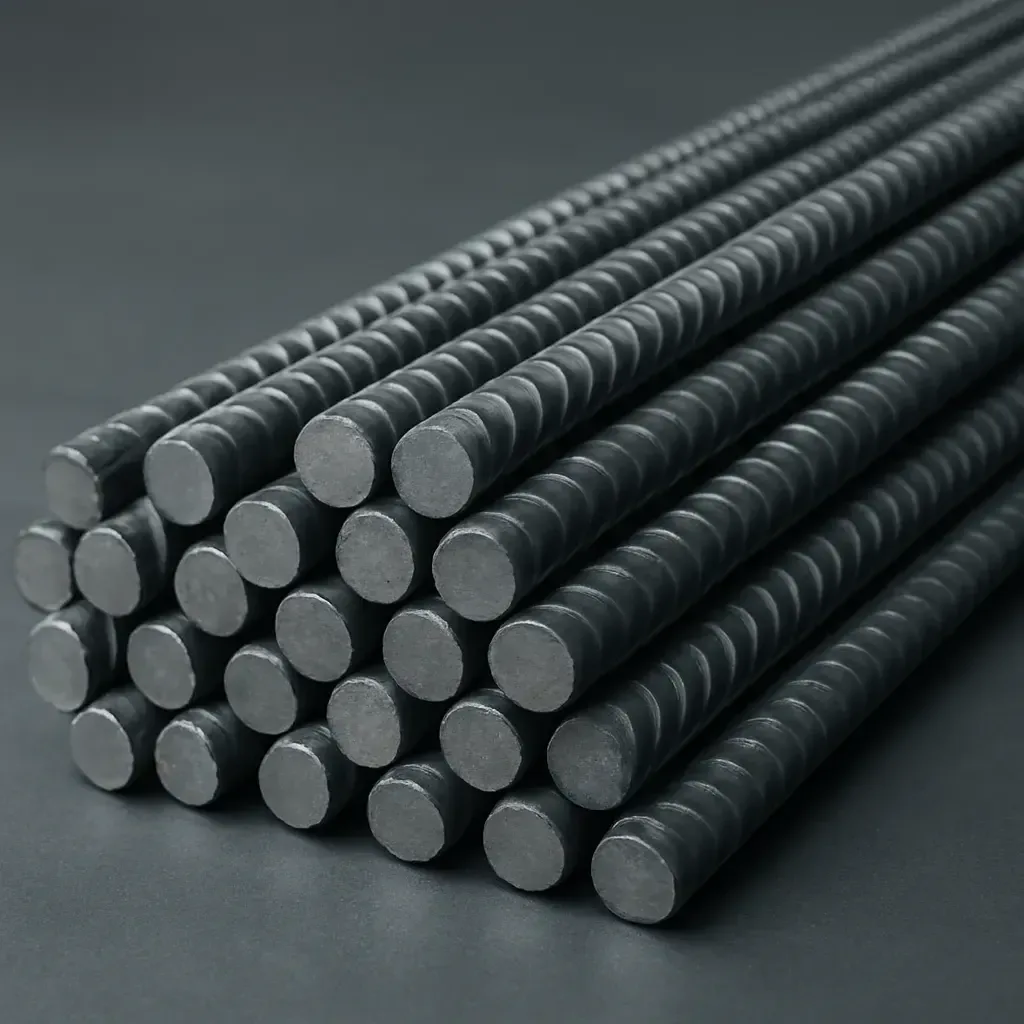
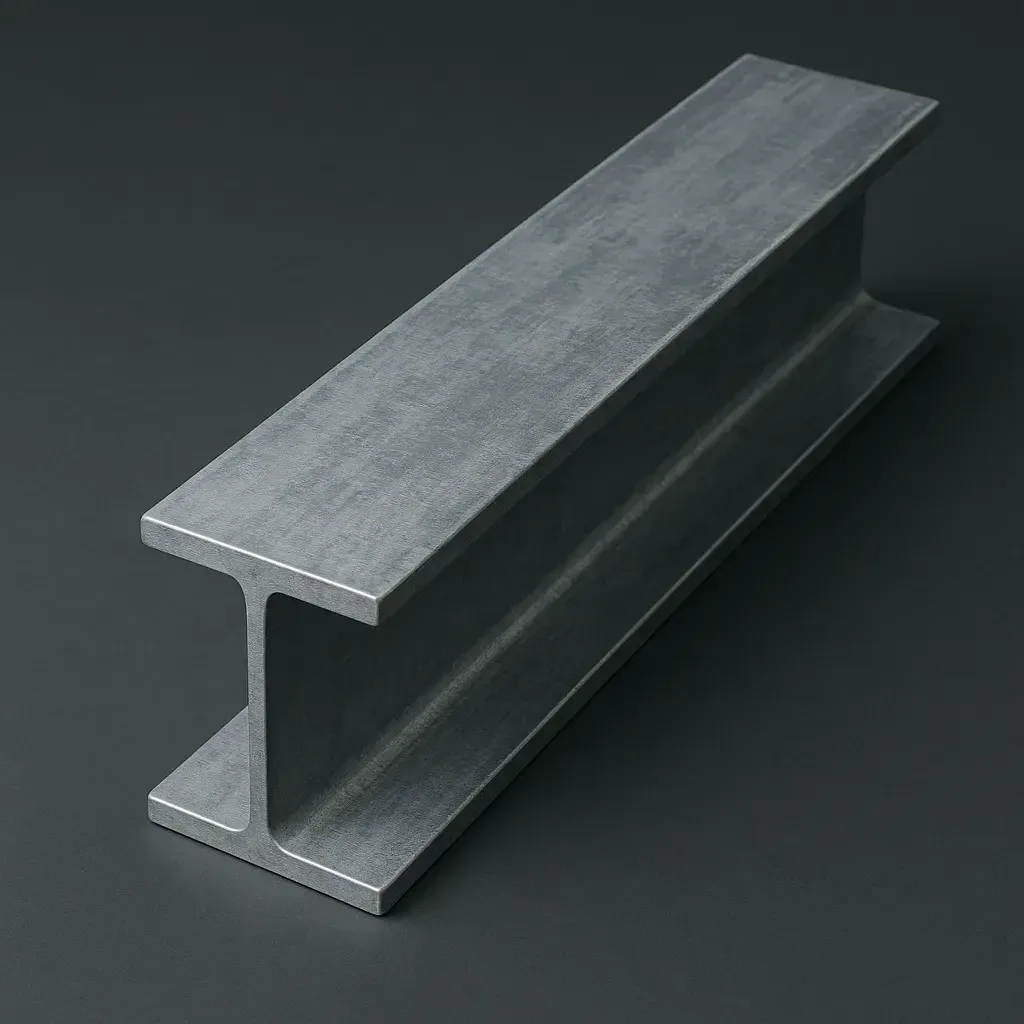
Pipes, beams, sheets and rebar to GOST are in stock. More than 2 500 items available. We guarantee a selection for any project.
- 02.OUR COMPANY HAS BEEN OPERATING FOR 30 YEARS
We have been operating since 1994. Over this time we have found the best metal suppliers, and bulk purchasing allows us to cut costs for our clients.
- 03.cutting accuracy to ±1 mm
On Hypertherm CNC machines. We eliminate defects and metal waste. We save clients up to 15% of the budget on every project.
- 04.Delivery strictly on time
We deliver 98,5% of orders exactly on time thanks to our own fleet of 18 vehicles. You will avoid production downtime and penalties from clients.
- 05.A WIDE CHOICE OF METAL
We have 100+ items in stock: steel, aluminium and stainless steel from MMK, RUSAL and Severstal. Get the metal you need turnkey.
- 06.Direct supplies from 7 mills
We work directly, without intermediaries, with the MMK, NLMK and ChTPZ mills. Prices are 10-15% below market and every product comes with a quality certificate.
- 07.Dispatch from the warehouse in 3 hours
We will dispatch 95% items from our warehouse within 3 hours of your request. You will cut waiting time and speed up the start of the project.
- 08.Deferred payment of up to 30 days
We provide official deferred payment of up to 10 000 000 KZT for regular clients. Keep your working capital.
- 09.We will calculate the cost in 15 min
Send us a drawing or specification. Our engineer will prepare a quote with the exact cost in 15 minutes and send it to your email.
- 10.Packaging protects against corrosion
An anti-corrosion film and wooden spacers for sheet metal. Rebar in bundles of 2 tonnes. Storage life of up to 12 months.
Find out the cost of galvanised steel in 1 minute
Customer reviews of galvanised steel in Almaty
Your feedback matters a great deal to us
Galvanised rolled metal
WHY HAS GALVANISED ROLLED METAL BECOME THE STANDARD FOR DURABILITY?
Ten years ago the main problem for any steel-structure engineer was not so much the strength of the beam as its underside. More precisely, the rusty streaks that appeared within a single season. The client demanded guarantees, the economist demanded lower costs. The search for a material that resolved this contradiction often led to compromises on service life. Today this dilemma is solved by galvanised rolled products — a product that has come a long way from craft galvanising to automated lines. This article is a guide to engineering solutions. We will look at how to choose a material so that its price does not turn into hidden repair costs.
Short answer: The material is a steel sheet or coil with a hot-dip zinc coating. The zinc sacrifices itself, corroding first and forming a barrier. This increases the service life of structures by a factor of 3-5 in aggressive environments without regular painting.
Many people regard galvanised steel as simply “iron in a shiny shell.” In reality it is a complex composite. Its behaviour depends on a dozen parameters: the structure of the coating alloy and the installation conditions. Choosing “by eye” or by price per tonne alone means the protection does not last its stated life. Knowledge of the technology and the standards is a direct saving.
How zinc protection works: not just a barrier, but a sacrificial anode
In brief: Galvanising protects steel mechanically (a strong shield) and electrochemically (a sacrificial anode). When damaged, the zinc corrodes first, “sealing” the scratch and preventing rust from reaching the base.
The key mechanism is electrochemical protection. In the presence of moisture, zinc and iron form a galvanic couple. Zinc is the anode. It gives up its electrons in a directed way and dissolves, while the steel base (the cathode) remains untouched. This is the principle of sacrificial protection used for underground pipelines and ship hulls. Without it, a micro-crack in the galvanising would become a site of corrosion. With it, galvanised iron withstands moisture, salt mists and acid rain for years.
Expert tip from Aleksandr Sokolov: Do not believe the myth of eternal galvanising. Its service life depends linearly on the thickness of the zinc layer. By choosing a thin coating of class 100 (100 g/m²) for a facade in an industrial zone, you save on the purchase but steadily spend on replacement after 10-15 years. For such conditions you need class 140 or higher. The price of galvanised steel at purchase is only the first line in its life-cycle budget.
In brief: Modern production is an automated line. The steel strip travels up to a kilometre through furnaces, is immersed in molten zinc, and comes out with a controlled coating. This makes it possible to produce galvanised metal with the highest uniformity.
Main stages:
- Preparation: The coil is cleaned in alkaline baths, pickled in hydrochloric acid and fluxed.
- Annealing: The strip passes through a furnace with a reducing atmosphere to relieve work hardening.
- Galvanising: Immersion in a bath of molten zinc at 450-460 °C.
- Cooling and passivation: The metal is cooled and may be coated with a chromate layer.
The structure of the galvanising is affected by fine line settings (temperature, speed, melt composition). An unscrupulous manufacturer can speed up the line and save on zinc. This can only be checked by weighing samples or by laboratory analysis.
Comparison of galvanising methods
Method | Coating thickness | Advantages | Drawbacks (trade-off) | Field of application |
Hot-dip galvanising (coil) | 10-40 µm | Productivity, uniformity, low production cost. | Limited size (coil width). | Mass production of sheet and sections. |
Hot-dip (piece) | 45-200 µm | Protection of complex/large items. | Labour intensity, risk of warping, price. | Power-line pylons, road barriers, trusses. |
Cold (paints) | 50-150 µm | Application on site, repairability. | Low mechanical resistance, dependence on surface preparation. | Repair of structures, complex joints. |
In brief: Look at three parameters at once: the grade/thickness of the base (strength), the coating class (durability), and the surface finish option (appearance, processing).
A common mistake is focusing on a single parameter. Taking a thick sheet with minimal galvanising for an outdoor canopy. The structure will not bend, but after a few years it will be covered in rust. Or vice versa.
Key coating classes to GOST 14918-80
Class | Zinc mass, g/m² | Zinc thickness, µm | Area of application |
Increased (П) | 570-855 | 80-120 | Aggressive industrial environments, coastal zones. |
Class 1 | 258-570 | 36-80 | Facades, roofs, load-bearing structures in the city. |
Class 2 | 142-258 | 20-36 | Interior structures, cladding, items for painting. |
Expert tip from Aleksandr Sokolov: For Almaty, with its temperature swings and de-icing agents, for open structures choose at least class 1- (from 258 g/m²). If you need to buy galvanised steel for an element with a 20-25-year guarantee, look for 350-450 g/m². Saving 5-7% on the material will turn into repair costs midway through the life cycle.
Sheet weight = area × steel thickness × 7,85 (density) + an addition from the zinc. Zinc is lighter than iron. For an equal base thickness, galvanised metal is slightly lighter than black metal. This matters for load calculations and logistics.
In brief: Galvanised coil steel is for mass, automated production with a fixed cutting width. The lowest price per tonne, high productivity. Sheet is for one-off, small-batch production and on-site installation. More expensive, but it reduces waste in complex cutting.
Coil is great for kilometres of identical parts. But an order for a hundred different parts cancels out its advantage because of changeovers and offcuts. Sheet here is like a sewing cut: you can lay out the parts on a “pattern” and minimise waste.
Comparison of supply formats
Parameter | Coil | Sheet |
Production cost | Lower (continuous process). | Higher (cross-cutting, packaging). |
Price for the buyer | Lower per tonne (large volumes). | Higher per tonne, may be more economical per part. |
Flexibility | Low. Fixed width. | High. Various thicknesses/sizes to suit the project. |
Waste | Minimal when mass-cutting a single part. | Minimal for complex, mixed cutting. |
Logistics | Requires special equipment, risk of uncoiling. | Easier to store and load by hand. |
Three facts about galvanised steel that affect the result
- Passivation is not just protection during storage. A chromate coating applied after galvanising prevents white oxides and creates a rough surface. This improves paint adhesion. Refusing passivated material for a coloured profile risks the polymer layer peeling off.
- The coating structure is different. On leaving the bath, the zinc solidifies, forming a pattern (spangle). Adding aluminium to the melt (the Galvalume technology) makes the zinc layer smooth and resistant to high temperatures. For chimneys or components near heating appliances, check the composition — ordinary galvanising degrades faster.
- Galvanised steel can be welded, but differently. Zinc in the weld zone evaporates at 900 °C, releasing toxic fumes. The weld is left unprotected. The right approach: special electrodes with fume extraction, bolted connections, or restoring the protection with cold galvanising immediately after welding.
Expert tip from Aleksandr Sokolov: Before buying rolled metal, request the heat certificate with the chemical composition of the base. The percentage of carbon (C) and phosphorus (P) matters. Their elevated content worsens ductility and leads to cracks during bending. This is critical for roofing and facade flashings.
The evolution of protection: from paint and tin to galvanising
Continuous hot-dip galvanising was a revolution. It solved the problems: zinc is cheaper than tin and provides sacrificial protection, and the technology guarantees durability compared with paint. Today galvanised steel, whose price is affordable, is a sensible compromise between the durability of stainless steel and the low cost of black metal.
A material that works for you
Galvanised steel is an engineering solution that shifts the risks of corrosion from operation to design and procurement. A correctly chosen material works silently for years. A mistake in the coating class or the base will remind you of itself every spring with rusty streaks. Understanding how this material works is a professional tool for creating reliable and economical structures.