
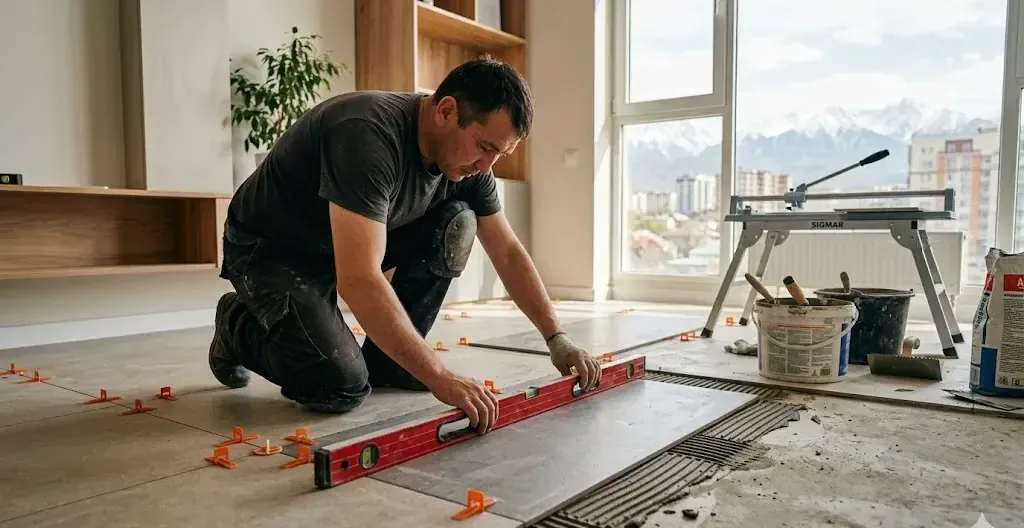
Tiling in Almaty
from 4 500 tenge.* per m²
We lay tiles on floors and walls, in the bathroom, kitchen and on the facade. We follow the technology, so the cladding lasts a long time.
 Straight
joints, level Measurement in Almaty
Timelines under the contract 2-year warranty
 Prices from 4 500 ₸
Estimate in tenge
Tiling in Almaty
from 4 500 tenge.* per m²
We lay tiles on floors and walls, in the bathroom, kitchen and on the facade. We follow the technology, so the cladding lasts a long time.
Straight
joints, level
Measurement in Almaty
Timelines under the contract
2-year warranty
Prices from 4 500 ₸
Estimate in tenge
Tiling in Almaty
from 4 500 tenge.* per m²
We lay tiles on floors and walls, in the bathroom, kitchen and on the facade. We follow the technology, so the cladding lasts a long time.
Straight
joints, level
Measurement in Almaty
Timelines under the contract
2-year warranty
Prices from 4 500 ₸
Estimate in tenge
Types of
tiling we do
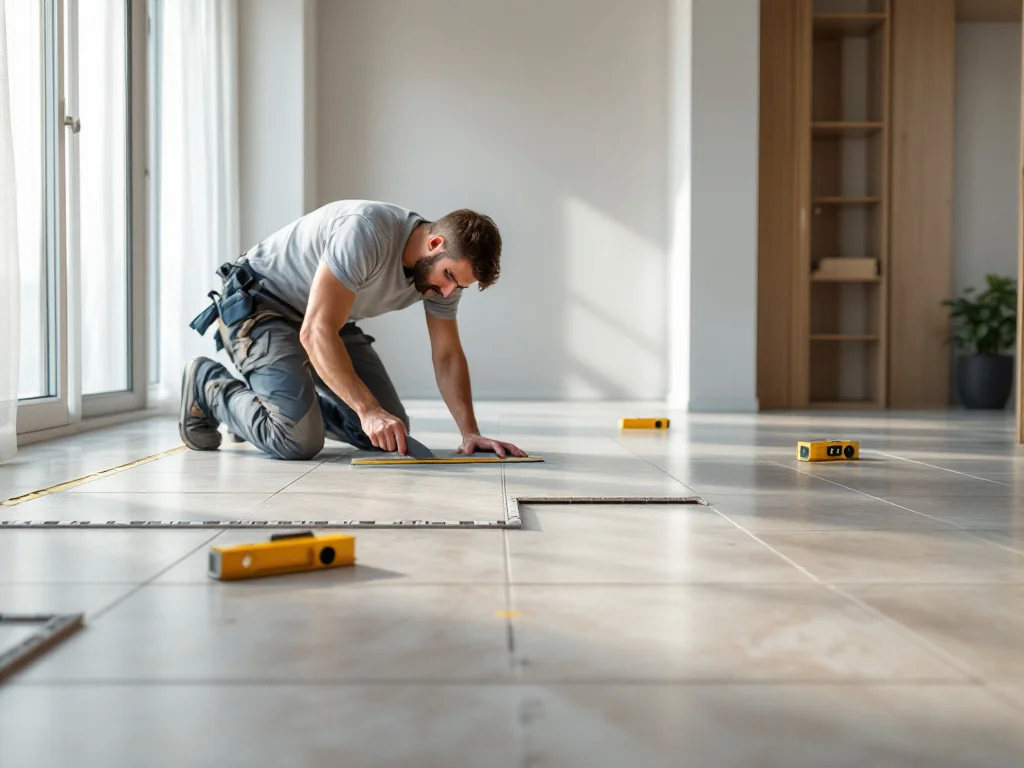
Floor tiling
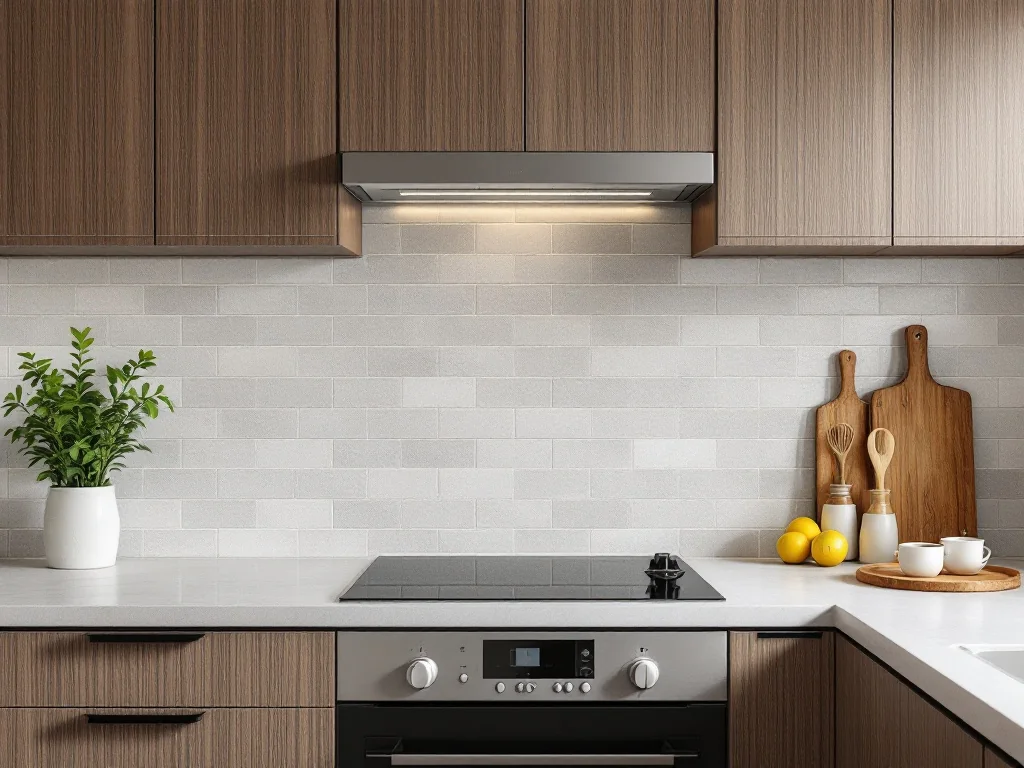
Kitchen tile backsplash
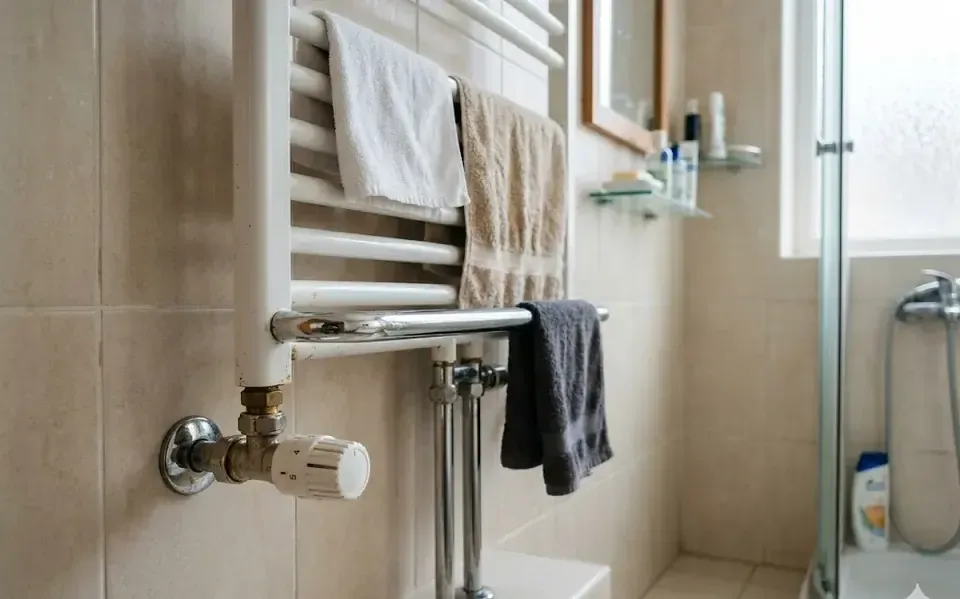
Bathroom and WC cladding

Decorative brick-effect tiles
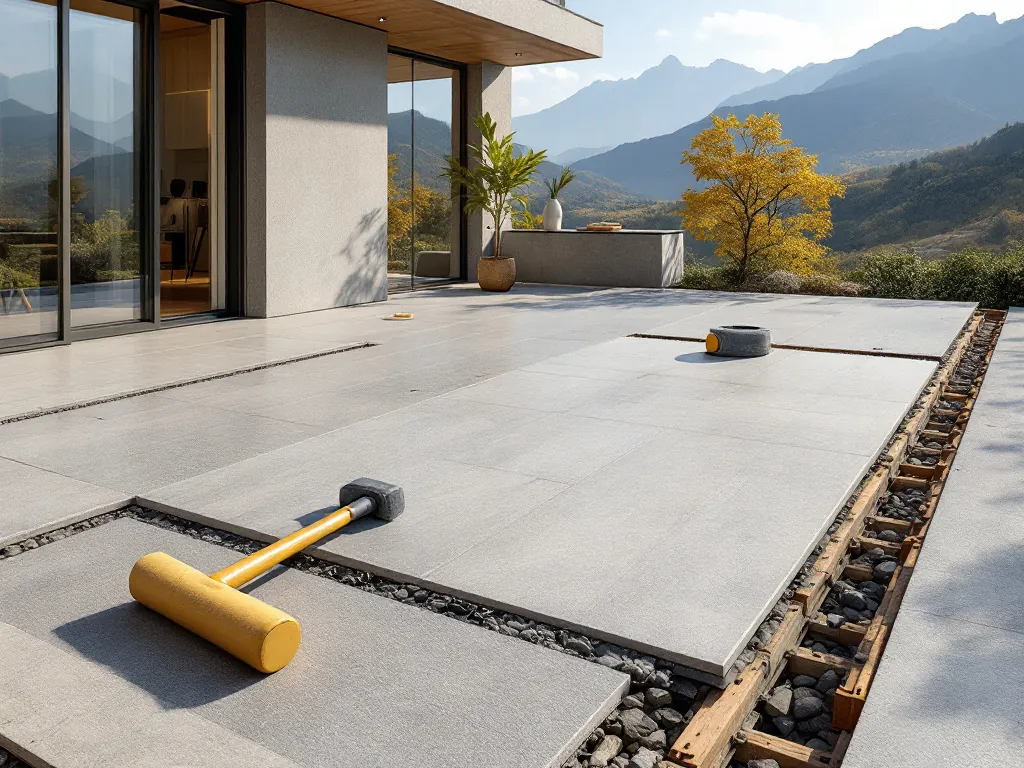
Porcelain stoneware installation
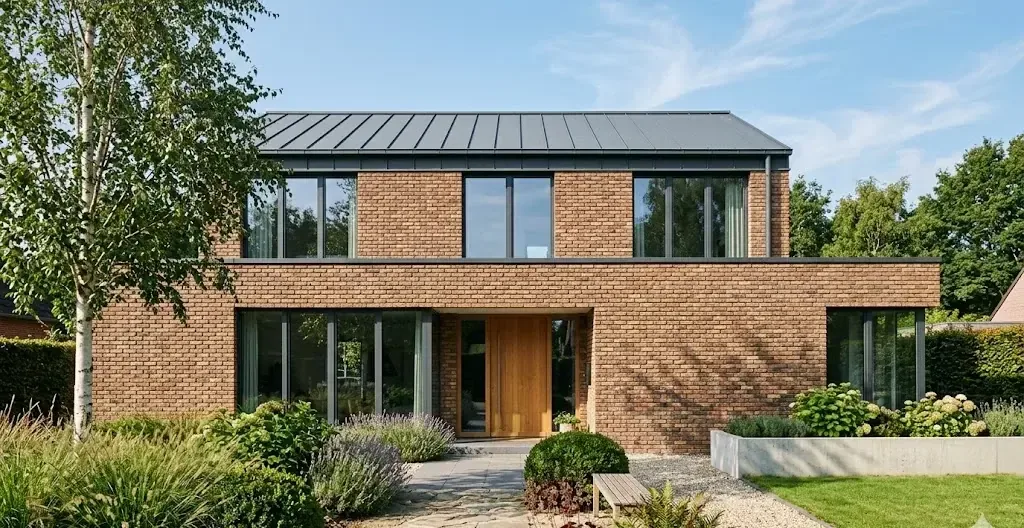
Facade cladding with tiles
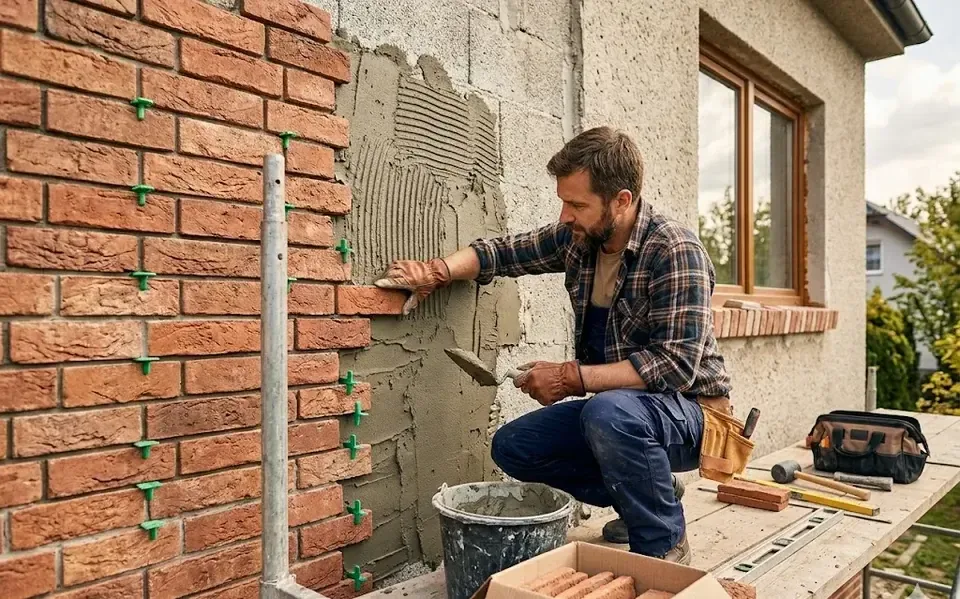
Clinker tiles for the facade
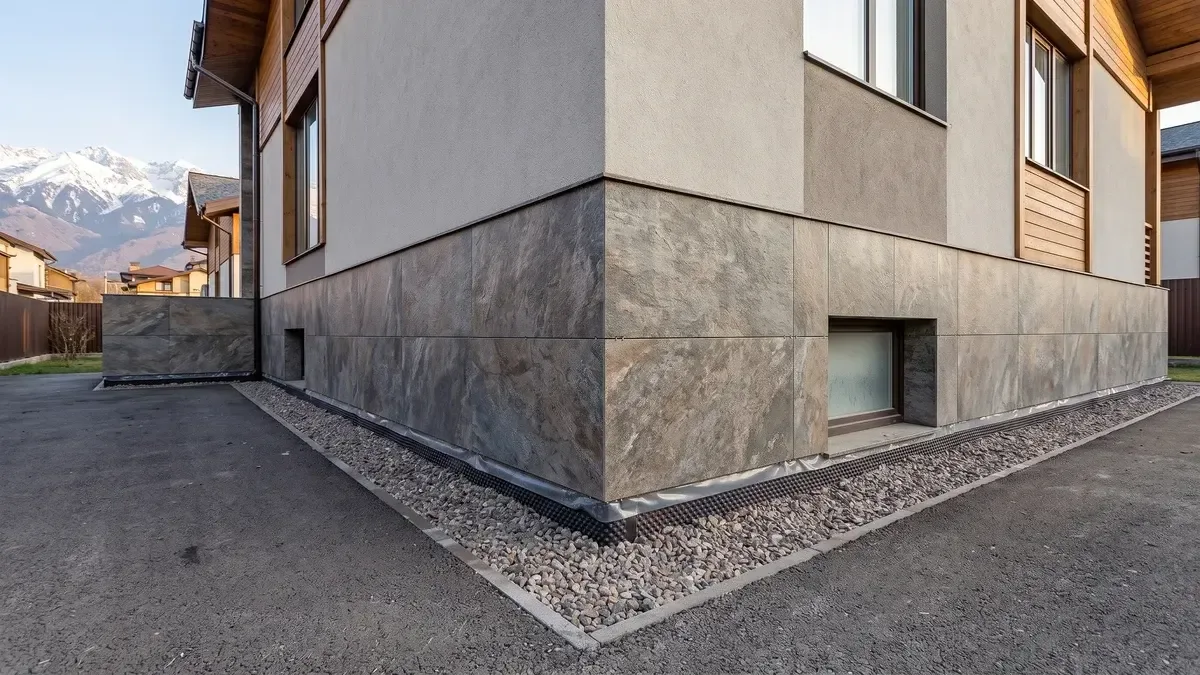
Porcelain stoneware plinth cladding
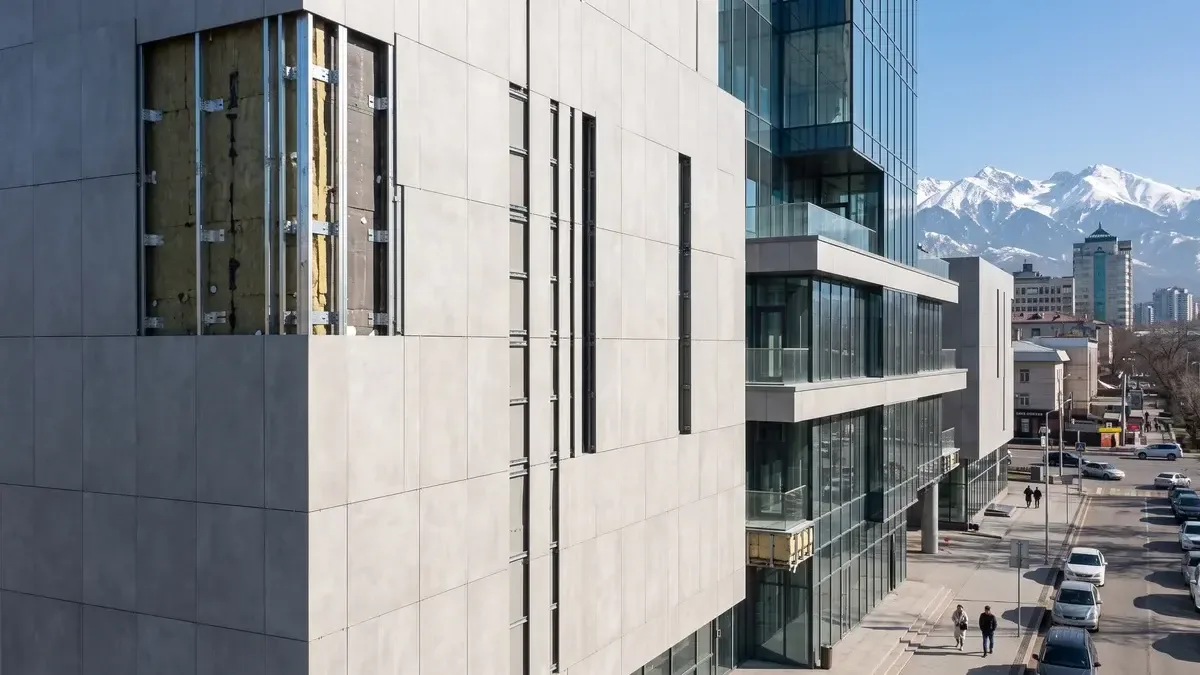
Porcelain stoneware ventilated facade
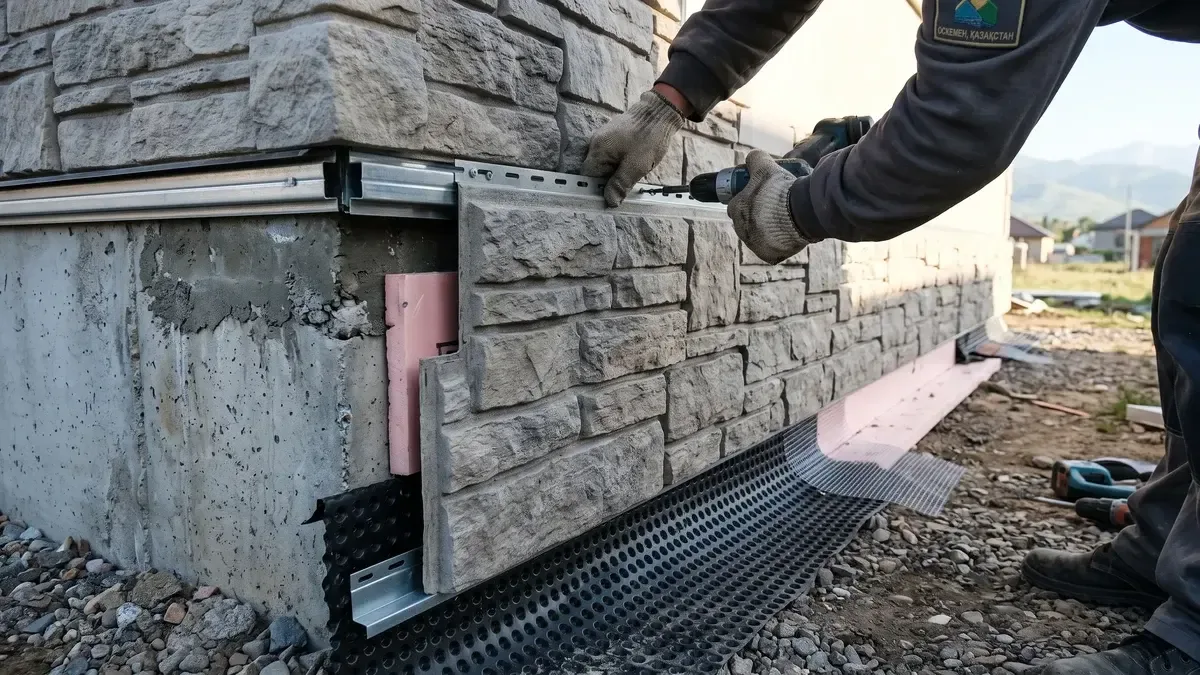
Stone-effect tiles for the plinth
Types of
tiling we do
Floor tiling
Kitchen tile backsplash
Bathroom and WC cladding
Decorative brick-effect tiles
Stone-effect tiles for the plinth
Porcelain stoneware plinth cladding
Facade cladding with tiles
Clinker tiles for the facade
Porcelain stoneware ventilated facade
Porcelain stoneware installation
We will call you back within 3 minutes
Types of
tiling we do
Floor tiling
Kitchen tile backsplash
Bathroom and WC cladding
Porcelain stoneware ventilated facade
Stone-effect tiles for the plinth
Porcelain stoneware plinth cladding
Porcelain stoneware installation
Facade cladding with tiles
Clinker tiles for the facade
Decorative brick-effect tiles
We will call you back within 3 minutes
Cost of tiling in
Almaty
| SERVICE | COST | TIME |
|---|---|---|
| Floor tile laying (m²) | from 4 500 ₸ | from 8 hours |
| Wall tiling (m²) | from 5 000 ₸ | from 8 hours |
| Porcelain stoneware installation (m²) | from 6 000 ₸ | from 10 hours |
| Large-format installation (m²) | from 9 000 ₸ | from 12 hours |
| Mosaic installation (m²) | from 9 000 ₸ | from 12 hours |
| Kitchen splashback cladding (m²) | from 5 500 ₸ | from 6 hours |
| Clinker façade cladding (m²) | from 7 000 ₸ | from 2 days |
| Porcelain stoneware for a ventilated facade (m²) | from 9 000 ₸ | from 3 days |
| Tile cladding of the plinth (m²) | from 6 500 ₸ | from 2 days |
| Base waterproofing (m²) | from 1 500 ₸ | from 4 hours |
| Grouting of joints (m²) | from 800 ₸ | from 4 hours |
| Removal of old tiles (m²) | from 1 500 ₸ | from 5 hours |
Advantages of tiling from Profi-Dom

Even geometry and seams
We set the tiles to level and layout, the joints are uniform across the whole surface, and the corners meet without distortion.

Our own tiling crews
We work as a direct contractor: measurement, estimate and installation by our own craftsmen, with no intermediaries or subcontracting.

Tools and materials
Tile cutter, tile levelling system, notched trowels and adhesive matched to the specific tile format and substrate — tiles are laid with no voids.

Timelines under the contract
We record the stages and dates in the contract, coordinate the schedule with the renovation and keep up the pace without downtime.

2-year warranty
We give a 2-year warranty on tile laying. If any issue arises with the work, we will come out and fix it.

A transparent estimate in tenge
We calculate volumes and installation rates in advance; the price for the work is in tenge with no hidden extra charges.
Advantages of tiling from Profi-Dom
We set the tiles to level and layout, the joints are uniform across the whole surface, and the corners meet without distortion.
Even geometry and seams
We work as a direct contractor: measurement, estimate and installation by our own craftsmen, with no intermediaries or subcontracting.
Our own tiling crews
Tile cutter, tile levelling system, notched trowels and adhesive matched to the specific tile format and substrate — tiles are laid with no voids.
Tools and materials
We record the stages and dates in the contract, coordinate the schedule with the renovation and keep up the pace without downtime.
Timelines under the contract
We give a 2-year warranty on tile laying. If any issue arises with the work, we will come out and fix it.
2-year warranty
We calculate volumes and installation rates in advance; the price for the work is in tenge with no hidden extra charges.
A transparent estimate in tenge
We will call you back within 3 minutes
Advantages of tiling from Profi-Dom
We set the tiles to level and layout, the joints are uniform across the whole surface, and the corners meet without distortion.
Even geometry and seams
We work as a direct contractor: measurement, estimate and installation by our own craftsmen, with no intermediaries or subcontracting.
Our own tiling crews
Tile cutter, tile levelling system, notched trowels and adhesive matched to the specific tile format and substrate — tiles are laid with no voids.
Tools and materials
We record the stages and dates in the contract, coordinate the schedule with the renovation and keep up the pace without downtime.
Timelines under the contract
We give a 2-year warranty on tile laying. If any issue arises with the work, we will come out and fix it.
2-year warranty
We calculate volumes and installation rates in advance; the price for the work is in tenge with no hidden extra charges.
A transparent estimate in tenge
We will call you back within 3 minutes
HOW WE WORK
- 01.Request and calculation
We take your request, clarify the type of work, the area and the tile format. We immediately give a guide price per m² and arrange a site measurement.
- 02.Measurement visit
The specialist comes across Almaty and its suburbs, measures walls, floor, facade and plinth, and checks the substrate and working conditions.
- 03.Tile layout and estimate
We prepare the layout taking into account joints, cutting and corners. We calculate the volumes and draw up an estimate with rates for laying.
- 04.Contract
We set out in the contract the scope of work, cost, timelines and a 2-year warranty. We agree the start date and payment procedure.
- 05.Purchasing and preparation
We help you choose adhesive, grout and tile levelling system for your tiles. We accept the material, check the batches and prepare the work area.
- 06.Substrate and waterproofing
We level the substrate, prime and carry out waterproofing in the bathroom and wet areas before laying tiles.
- 07.Laying and grouting of joints
We lay tiles according to the layout, check the level and joints, make a 45° cut, then grout the joints and clean the surface.
- 08.Handover and cleaning
We check the plane, angles and joints together with you, remove debris and hand over the site. Warranty on work — 2 years.
Find out the cost and timeline for tile installation in 1 minutes
FIND OUT THE
COST OF TILING
Leave a request and we will contact you within 3 minutes
Thank you! We will contact you within 3 minutes.
By clicking the button you agree to the terms of the
 Privacy Policy
FIND OUT THE
COST OF TILING
Leave a request and we will contact you within 3 minutes
Thank you! We will contact you within 3 minutes.
By clicking the button you agree to the terms of the
Or call us at
+7 (707) 068-88-68Privacy PolicyFIND OUT THE
COST OF TILING
Leave a request and we will contact you within 3 minutes
Thank you! We will contact you within 3 minutes.
By clicking the button you agree to the terms of the
Or call us at
+7 (707) 068-88-68More about tile installation
PROFI-DOM carries out tile installation in Almaty and the suburbs with its own teams of tilers and facade installers — no intermediaries or aggregators. The price of work per m² depends on the zone and the material: ceramic tiles on walls from 5 000 ₸/m², porcelain stoneware from 6 000 ₸/m², large format from 9 000 ₸/m². The estimate is provided before work starts, with a warranty on installation.
How much does tile laying cost per m² and what is included in the estimate
The price per m² is not a single figure but a sum of line items: the zone, the material format, substrate preparation, the finishing joint. We break down what is included in the base rate, what is charged separately, and why the estimate after the site survey differs from the advert.
What makes up the price per m² of work
At PROFI-DOM, the cost of works is calculated by zones — floor, walls, bathroom, facade, plinth — and depends on the tile format, the condition of the substrate and the amount of cutting. Wall cladding in a bathroom of 4 m² with ceramic tiles 30×60 cm costs less than the same area in porcelain stoneware 120×60 cm: the difference lies in the weight of the tile, the number of cuts and the time spent levelling the joint. For the bathroom floor, waterproofing is added; for the kitchen splashback, a 45° mitre cut on external corners; for the facade, frost-resistant adhesive and fixings. Large-format porcelain stoneware and mosaics cost more than ceramic tiles: for the former, the share of cutting grows and a TLS is needed; for the latter, manual laying on mesh. The cheapest option is laying ceramic tiles on a level wall; the most expensive is large formats and mosaics, because the share of cutting and the time spent levelling joints increase.
What is included in the base rate and what is billed separately
- Included in the base rate: tiling work — setting out on the wall, installation, straight cuts and grouting of joints — is included in the price per m².
- Removal of old tiles: taking off the tiles, cleaning the adhesive from the base — priced per m² separately.
- Bituminous waterproofing: wet areas of the bathroom, corner reinforcement with tape — an essential stage, but a separate line item.
- Base levelling: wall plastering, floor screed, priming — the price depends on the deviation in millimetres.
- Cutting tiles at 45°: external corners without a plastic corner piece — charged per linear metre.
- Waste removal: bags of broken tiles and adhesive residue are a separate service if there is no container at the house.
Price list by type of work
| Type of work | Zone | What is included | Price from (₸/m²) |
|---|---|---|---|
| Wall tiles | bathroom, kitchen | layout, installation, straight cuts, grouting | 5 000 |
| Floor tiles | bathroom, kitchen | layout, installation, straight cuts, grouting | 4 500 |
| Porcelain stoneware | floor, walls | layout, installation, straight cuts, grouting | 6 000 |
| Large format | floor, walls | layout, installation, cuts, SVP | 9 000 |
| Mosaic | walls, bathroom | layout, installation, grouting | 9 000 |
| Clinker for the facade | facade, plinth | laying on frost-resistant adhesive | 7 000 |
| Waterproofing of wet areas | bathroom | bituminous coating, corner reinforcement | 1 500 |
| Cut at 45° | external corners | cutting, jointing | 1 500 ₸/linear m |
Such rates for laying hold on the Almaty market with a level substrate and standard layout.
Why the company's price is higher than a private craftsman's
With a direct contractor, the price includes measurement, layout, estimate, warranty and responsibility for the result — with a private handyman these stages are often "free", but there is no one to make a claim against. A crew's labour cost includes a staff surveyor, estimator and a warranty visit if a joint cracks a month later or a tile sounds hollow. A private trader's ad covers installation only: he either skips base preparation, waterproofing and grouting or asks for extra payment along the way. If the craftsman quotes for tiling only, while you handle preparation, waterproofing and grouting yourself, the final cost of tile laying may end up higher — simply split between several contractors, and there will be no one left to answer for a leak into the neighbours' flat.
Types of tiles: ceramic, porcelain stoneware, clinker, mosaic — what goes where
Tiles, porcelain stoneware, clinker and mosaic differ not only in appearance, but also in installation technology, adhesive type and permissible application area. We break down which material goes where and why this affects the estimate.
How tiles differ from porcelain stoneware
Ceramic tiles are glazed ceramics for walls; porcelain stoneware is a pressed mass with water absorption below 0,5%, laid on floors, walls and facades. For tiling, the price per job for ceramic tiles is lower: the material is lighter, adhesive consumption is standard, and cutting goes faster. Porcelain stoneware is denser — at a format of 60×60 cm and above, the tiler works in pairs and uses a tile levelling system (TLS) to avoid unevenness at the joints. Under heavy porcelain stoneware, the substrate is prepared more carefully: levelled to a deviation of no more than 2 mm per 2 metres, primed in two coats, and sometimes the screed is reinforced. We do not fix large formats to plasterboard without an additional frame — the sheet will not bear the weight. Before laying out, check the thickness and format with the tiler — both the adhesive layer and the final figure per m² depend on this.
Clinker and facade tiles: why frost resistance matters
For a façade in the Almaty climate, clinker and frost-resistant porcelain stoneware with water absorption below 0,5% — are suitable — they withstand freeze-thaw cycles. Façade tiling in the foothill areas (Medeu, Butakovka, Kamenskoye Plato) requires a particularly durable material: the day-night temperature difference in winter reaches 20 °C, and humidity is higher than in the city centre. Clinker is fired at 1100-1200 °C, so it hardly absorbs water, but it requires frost-resistant C2TE adhesive and expansion joints every 3-4 metres along the façade. Ordinary interior porcelain stoneware will absorb moisture outdoors and come away after two or three winters — saving on material turns into a complete redo with dismantling and new wall preparation.
Where we use mosaics and decorative tiles
- Showers and bathrooms: we lay mosaics on the walls and the shower tray, and grout the joints with epoxy grout — it does not darken from water.
- Kitchen splashback: mosaics and small ceramic tiles 10×10 cm are laid in the area between the worktop and the upper cabinets.
- Base and porch: finishing the walls with decorative stone- and brick-effect tiles protects against splashes and impact damage.
- Feature walls: decorative brick-effect tiles in the living room or hallway — at PROFI-DOM we clad such areas with a layout based on a design sketch.
- Substrate levelling: mosaic on mesh requires unevenness of no more than 1 mm per metre — every bump shows on the small chips.
Table: which material for which area
| Material | Application area | Laying specifics |
|---|---|---|
| Tiles | bathroom and kitchen walls | lightweight, standard adhesive |
| Porcelain stoneware | floor, walls, façade | durable, a durable adhesive is needed |
| Large format | floor, walls | Tile levelling system, two-person work |
| Clinker | facade, plinth | frost-resistant adhesive |
| Mosaic | shower, splashback | level base |
| Decorative stone-look | plinth, porch | pointed joint |
The same material behaves differently in different zones: porcelain stoneware on the floor is the norm, but on a bathroom wall over a weak substrate it is already an overload that leads to detachment after 1-2 seasons.
Bathroom and WC: waterproofing, substrate preparation, grouting
The bathroom and WC are wet areas where a mistake in preparation costs the most: redoing it means double demolition and new tiles. We break down waterproofing, the base and grouting step by step.
Is waterproofing needed before laying tiles in a bathroom
Yes, at PROFI-DOM waterproofing of wet areas is a mandatory stage: without it, water seeps through seams and joints to the neighbours, and the tiles come off together with the plaster. The material is a cement-polymer coating membrane in two layers with a total thickness of 1,5-2 mm, with reinforcing tape laid over it along the perimeter and in the corners where the floor meets the walls. Wall tiling price includes this layer as a separate line — from 1 500 ₸ per m² depending on the area and the number of bathrooms at the property. Waterproofing is carried up the walls at least 20 cm from the floor, and in the shower — to the full height; corners and joints are reinforced with tape, otherwise that is exactly where the first leak appears.
Base preparation: screed, levelling, priming
- Floor screed: cement-sand or semi-dry, 30-50 mm thick along screed rails, with a deviation of no more than 2 mm per 2 m.
- Levelling the base: plastering walls on beacons or a self-levelling compound, chips and cracks are cleaned back to sound material.
- Priming: deep-penetration bonding primer in one or two passes, the surface is dusted off.
- Laying on plasterboard: moisture-resistant GKLV board on a reinforced frame with stud spacing of 300-400 mm.
- Estimate: for wall tiling, the price per m² is quoted without levelling — plastering and priming are listed as separate line items.
- Checkpoint: tapping the substrate before installation — a hollow sound indicates a loose layer that must be removed.
How long does the adhesive cure before grouting, and what do we use to grout the joints
The adhesive gains strength over 24-48 hours depending on layer thickness and humidity; we grout after that — cement-based in dry areas, epoxy in the shower and on the facade. Cement grout sets in 20-30 minutes, fully cures in a day, and the joint gains water-repellent properties after treatment with a hydrophobic agent. Two-component epoxy dries in 24 hours to light load and 7 days to full cure, and it must be applied at a temperature not below +15 °C. Epoxy grout is more expensive than cement grout, but it does not absorb water and does not darken — in a shower it pays for itself within a couple of years of use.
How long does turnkey tiling of a bathroom take
A 4 m² turnkey bathroom with PROFI-DOM waterproofing takes 7-10 working days: demolition, preparation, waterproofing, installation, grouting. Removing the old tiles with disposal takes 1-2 days, the screed dries for 3-7 days, the liquid-applied waterproofing takes 24 hours between coats and one day before installation, and the adhesive under the tiles needs another 24-48 hours before grouting. A 6-8 m² bathroom with two zones and a mosaic insert stretches to 12-14 days. It is not the work that extends the timeline but the drying pauses — for the screed, adhesive and waterproofing; they cannot be sped up without sacrificing quality.
Facade and plinth: wet method, ventilated facade, clinker in the Almaty climate
A façade in Almaty has to cope with freeze-thaw cycles and ground movement. We look at two installation methods — adhesive (wet) and ventilated curtain wall — and at the role of clinker and expansion joints.
Wet method: tiles on frost-resistant adhesive
With the wet method we lay clinker or porcelain stoneware on frost-resistant adhesive directly onto the levelled substrate — this is cheaper at the start and suitable for plinths, porches and small facades. The cost of laying clinker tiles on a facade starts from 7 000 ₸/m² excluding material: the calculation includes priming with concrete contact, mesh reinforcement in crack zones, a C2TE adhesive notched trowel and grouting of the joint. Clinker is resistant to freeze-thaw cycles but requires a substrate with a deviation of no more than 3 mm per 2 metres — otherwise the adhesive is laid unevenly and after the winter the tiles sound hollow at the corners. Frost-resistant adhesive is essential: ordinary adhesive loses its elasticity after the first winter and the tiles come away along the edge.
Ventilated curtain wall made of porcelain stoneware: when we choose it
We install ventilated curtain walls on a subframe with clamps — the tile does not touch the wall, the gap is ventilated, and such a facade is more resistant to seismic activity and temperature swings. Installation of porcelain stoneware on a facade, price — from 9 000 ₸/m²: aluminium rails, stainless steel clamps, porcelain stoneware 10-12 mm in format 600×600 or 600×1200, windproof membrane and 100 mm insulation within the subframe. This build-up is chosen for facades of private houses with an area of 150 m² or more and for buildings with insulation: the subframe holds the cladding 120-150 mm off the wall, and the fasteners work independently of the substrate. A ventilated facade is more expensive than the wet method upfront, but it is repairable: a single tile can be removed and replaced without dismantling the neighbouring ones.
Table: wet method vs ventilated facade
| Parameter | Wet method | Ventilated facade |
|---|---|---|
| Material | clinker, porcelain stoneware | porcelain stoneware |
| Fastening | adhesive onto the substrate | substructure, clamps |
| Price from (₸/m²) | 7 000 | 9 000 |
| Repairability | average | high |
| Seismic resistance | basic | increased |
| Application area | plinth, porch, facade | house façade |
Cladding a house with facade tiles using the wet method is more cost-effective for basements and porches up to 60 m²: there a ventilated facade does not pay off due to the cost of the substructure. For large surfaces of a private house, the price difference is offset by maintainability — replacing a single tile of a ventilated facade takes mere minutes versus dismantling a section with the wet method.
Expansion joints and the Almaty climate
Expansion joints on a facade compensate for the thermal expansion of tiles and movement of the substrate — in the Almaty climate with its temperature swings, without them the cladding cracks along the joints after 0. Clinker and porcelain stoneware expand by 0,6-0,8 mm per metre when heated from −25 °C to +40 °C, while the concrete substrate moves differently — with rigid bonding, the tile edge chips within 2-3 seasons. Joints 8-10 mm wide are made at the corners of the building, at junctions of dissimilar materials (concrete and aerated block, brick and insulation) and every 3-4 metres across the surface, filled with an elastic sealant matching the grout colour. Almaty facade specialists pay particular attention to vertical joints on the south side: heating is stronger there, and cracks appear there first.
Why tiles come loose, sound hollow and how to accept the work
Voids, crooked joints and tiles that have fallen off are almost always the result of mistakes in substrate preparation and installation, not 'bad material'. We break down the causes of defects and the procedure for accepting the work.
Why tiles come loose and sound hollow
Tiles come loose and sound hollow because of an unprepared base, dust and remnants of old adhesive, the wrong tile adhesive, or installation "by spots" without full contact with the base. On drywall in a bathroom, voids appear if the sheet is not primed and the joints are not reinforced, and on a concrete wall — if levelling was done with gypsum plaster without a moisture-resistant primer. Cement-based adhesive of class C1 holds ceramic tiles 20×30 cm, but for porcelain stoneware 60×120 cm you need C2TE with a 10-12 mm notched trowel and mandatory dust removal with a deep-penetrating primer. When working with large-format tiles without a tile levelling system and back-buttering, contact is reduced to 60-70% of the area instead of 90-95%. Tapping each square metre with the handle of a trowel is the fastest way to find voids: a dull sound means there is no adhesive under the tile.
Can tiles be laid over old tiles
Laying new tiles over old ones is only possible if the old tiles are firmly bonded, do not sound hollow and the surface has been primed and scored. In Almaty Khrushchyovka buildings, kitchen tiles often sit on a layer of cement-sand mortar 20-30 mm thick — such a layer holds, but it eats up 3-4 cm of depth, and in the wall by the sink a fridge or washing machine no longer fits into the niche. Before deciding, one or two tiles are removed and tapped to check, and the substrate moisture is tested with a moisture meter: at 4% or above, adhesive will not bond to the old glaze. For adhesion, the surface is scored with an angle grinder with a diamond disc or a milling cutter, then two coats of bonding primer are applied. Saving on demolition is deceptive: the layer grows, door openings and plumbing no longer line up, and the risk remains that the new tiles will come away together with the old ones.
How to check installation quality at handover
- Voids: tap every square with the handle of a trowel — a dull sound over an area larger than 10% tiles means redoing the work at the contractor's expense.
- Flatness: place a 2 m straightedge in two directions — the gap beneath it must not exceed 2 mm; a laser level will show the same vertically.
- Joints: check the joint width with a calliper at five points — a discrepancy of more than 1 mm between adjacent tiles is already visible to the eye.
- Corners and cuts: place a square against the external corners — gaps and chips on the cuts give away hand trimming without a tile cutter.
- Grout: make sure the joints are filled to their full depth, not just on the surface, otherwise in six months the grout will crumble in a wet area, and a difference of more than 1 mm between adjacent tiles is noticeable underfoot — record such spots before signing the acceptance report.
How PROFI-DOM works: measurement, layout, timelines, warranty
From enquiry to handover, the route is clear: measurement, layout, estimate, works, acceptance. We show how this process works with us — no surprises in the estimate and no missed deadlines.
Measurement, layout and estimate before work begins
We travel for measurements across Almaty and the suburbs, prepare tile layouts and draw up an estimate with a line-by-line breakdown before work starts. The surveyor records the geometry of the walls and floor, unevenness of the substrate, the location of pipes and outlets, and the estimator calculates the volume by zones: bathroom, kitchen backsplash, floor, walls, facade. The price of tile work per m² in such an estimate is listed as a separate line — alongside substrate preparation, waterproofing, cutting and grouting. For the layout we use a scaled plan with the starting row marked out: you can see where the cuts will fall, how the pattern will lie and how much material will be lost to breakage. In my view, a layout on paper shows all the tricky junctions in advance — it is cheaper than redoing an already tiled wall.
In-house crews and a warranty on tile laying
The work is carried out by our in-house teams of tilers and façade installers, and a warranty is given on installation — no intermediaries or aggregators. Our team includes a site foreman who manages the project from removal to handover, and a dedicated façade installer for clinker and porcelain stoneware on the plinth and porch. The warranty covers the bond between the tile and the base, the evenness of the joints and the performance of waterproofing in wet areas — that is, the defects that show up a season or two after handover. If tiles start to sound hollow, we open up the area and re-lay it at our own expense, rather than blaming it on 'house settlement'. The warranty only works if the contractor stays in touch after handover: our team and foreman are the same people who did the project.
Site visits across Almaty and the suburbs
- Almaty: all city districts — from Auezov to Alatau, including new builds and existing housing stock.
- Talgar and Besagash: private houses and cottage communities, facade, basement, porch, interior cladding.
- Kaskelen and Irgeli: apartments in new builds and houses, bathrooms, kitchens, floor tiles.
- Esik and Otegen Batyr: decorative tile wall cladding, porcelain stoneware façade installation, clinker.
- Remote suburbs: access for a concrete mixer and debris removal are fixed in the estimate before the start, not after the fact.
Conclusion
We broke down the price of work by zones, formats and substrate preparation. We have gathered the key points to keep in mind before ordering and at handover.
Key takeaways
- Line-by-line estimate: the cost is made up of the area, the material format and the base preparation, while removal, waterproofing, cutting at 45° and debris removal are separate line items.
- Material by area: tiles, porcelain stoneware, clinker and mosaic differ in adhesive, weight and permitted area of use; for façades in Almaty only frost-resistant material is used.
- Wet areas: waterproofing in the bathroom is mandatory, and grouting is done only after the adhesive has fully cured — otherwise the joint will crack.
- Facade: in the local climate the cladding is assembled either by the wet method on frost-resistant adhesive or as a ventilated rainscreen with expansion joints every 3-4 metres.
- Acceptance: check for voids by tapping, check flatness with a 2-metre straightedge, and check the joints for uniform width; a joint deviation of more than 1 mm is visible to the eye.