

Rolled metal Almaty
from 100 kg per GOST and with a defect rate under 0,3%
With urgent dispatch in 24 hours from our Almaty warehouse and metal cutting to size with an accuracy of ±1 mm.
 Savings of up to 15% thanks to direct supplies from Kazakhstan and Russia
 Warehouse: 3 000 tonnes, 95% items in stock
 18 vehicles in our own fleet
 Every batch comes with GOST and EN certificates
Rolled metal Almaty
from 100 kg per GOST and with a defect rate under 0,3%
With urgent dispatch in 24 hours from our Almaty warehouse and metal cutting to size with an accuracy of ±1 mm.
Savings of up to 15% thanks to direct supplies from Kazakhstan and Russia
Warehouse: 3 000 tonnes, 95% items in stock
18 vehicles in our own fleet
Every batch comes with GOST and EN certificates

Rolled metal Almaty
from 100 kg per GOST and with a defect rate under 0,3%
With urgent dispatch in 24 hours from our Almaty warehouse and metal cutting to size with an accuracy of ±1 mm.
Savings of up to 15% thanks to direct supplies from Kazakhstan and Russia
Warehouse: 3 000 tonnes, 95% items in stock
18 vehicles in our own fleet
Every batch comes with GOST and EN certificates
Types of metal


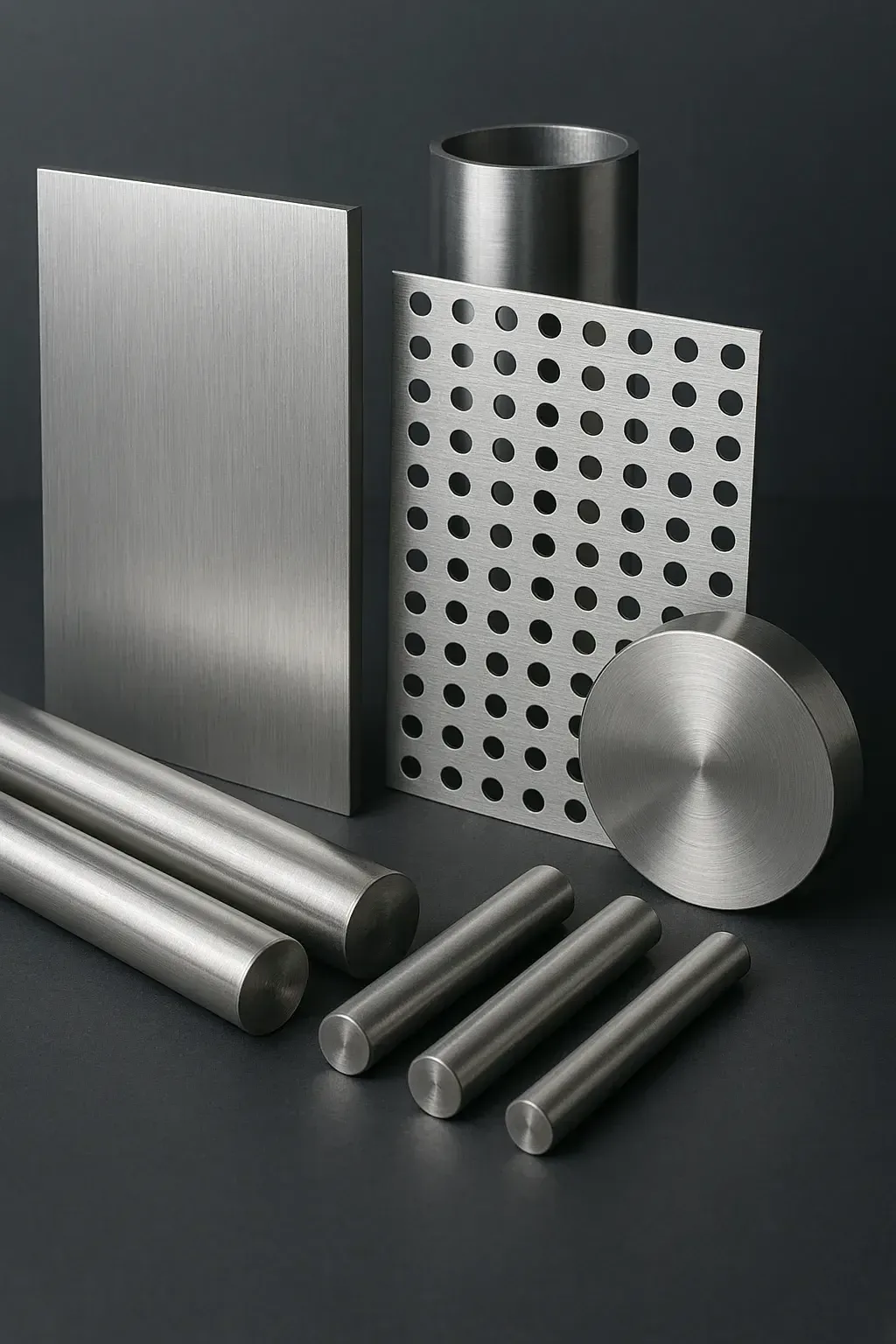
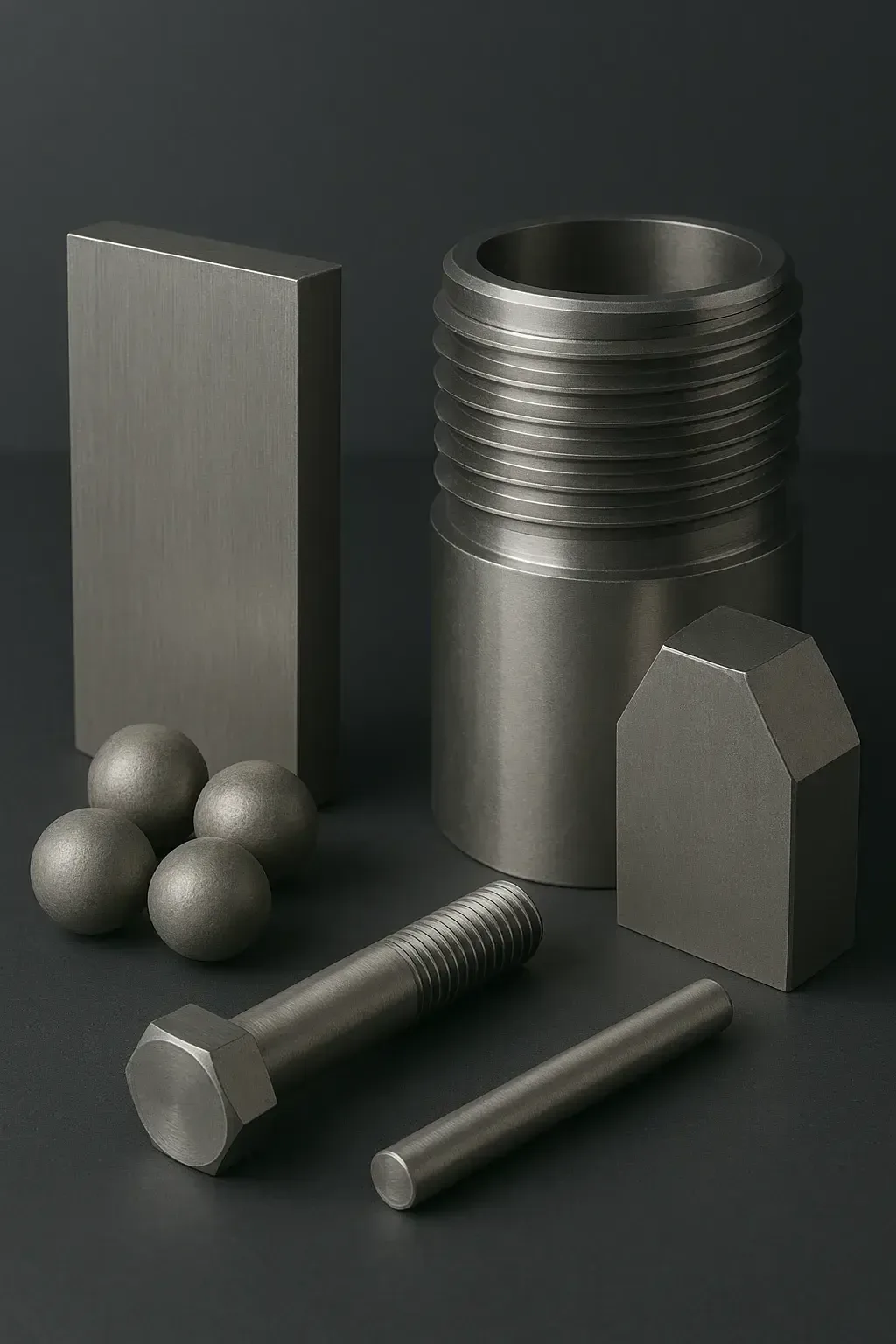
Alloys
Types of metal
Alloys
Types of metal
Alloys
Rolled metal catalogue

CORRUGATED SHEETING

WELDING ELECTRODES

Hexagon bar

Rolled metal catalogue
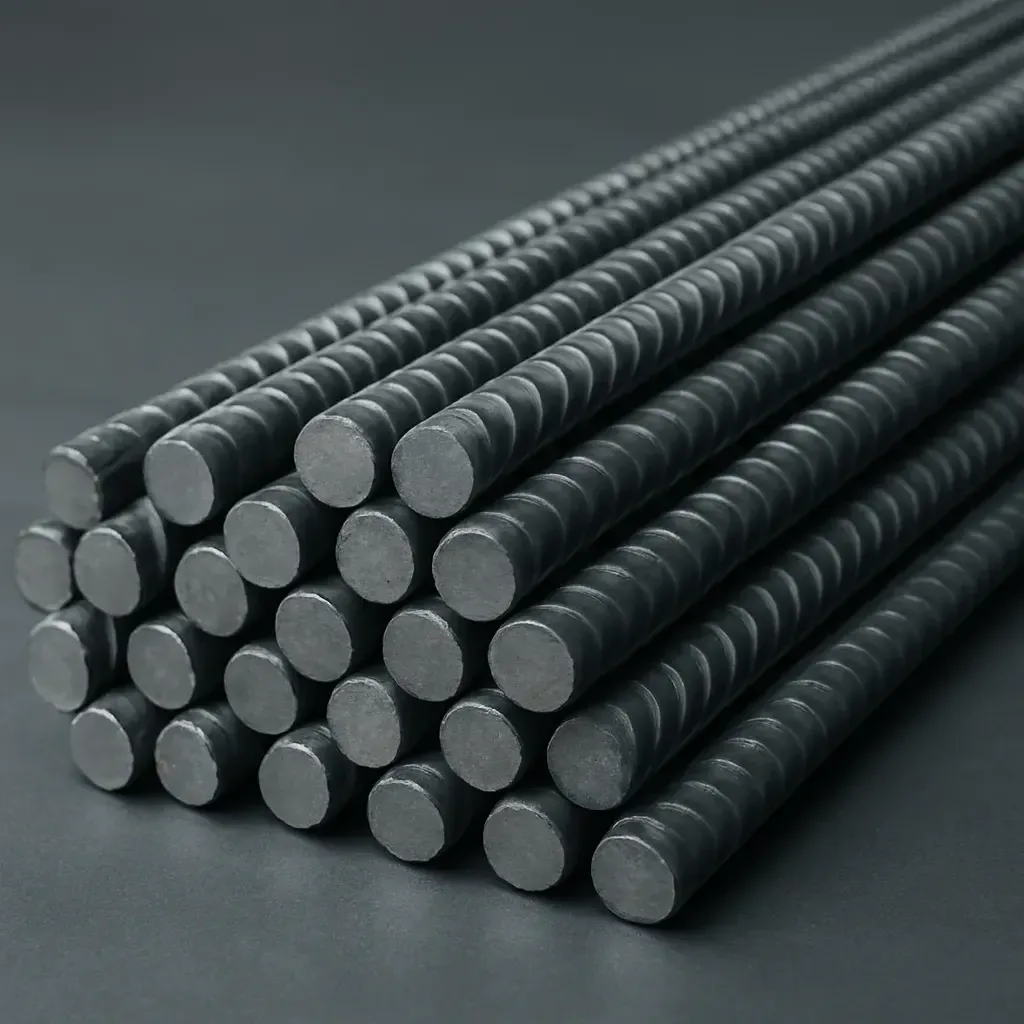


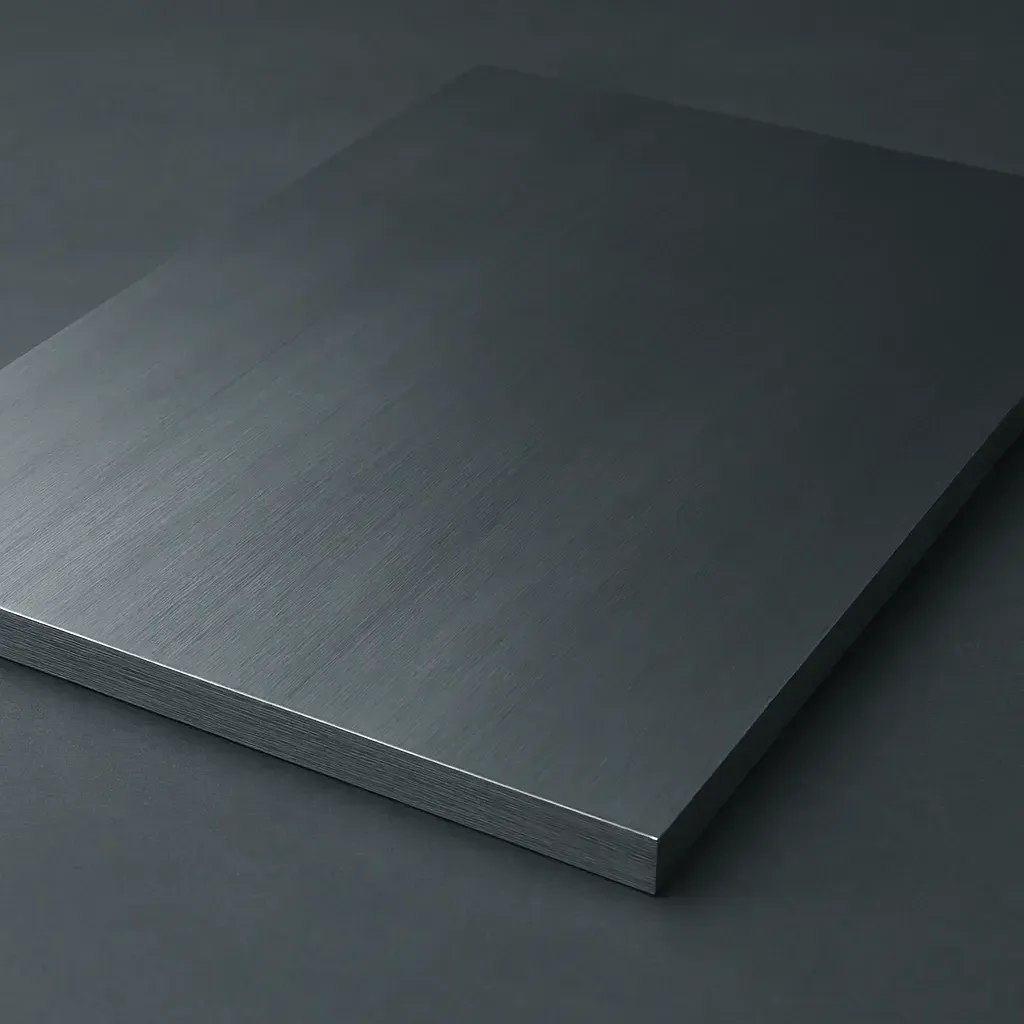
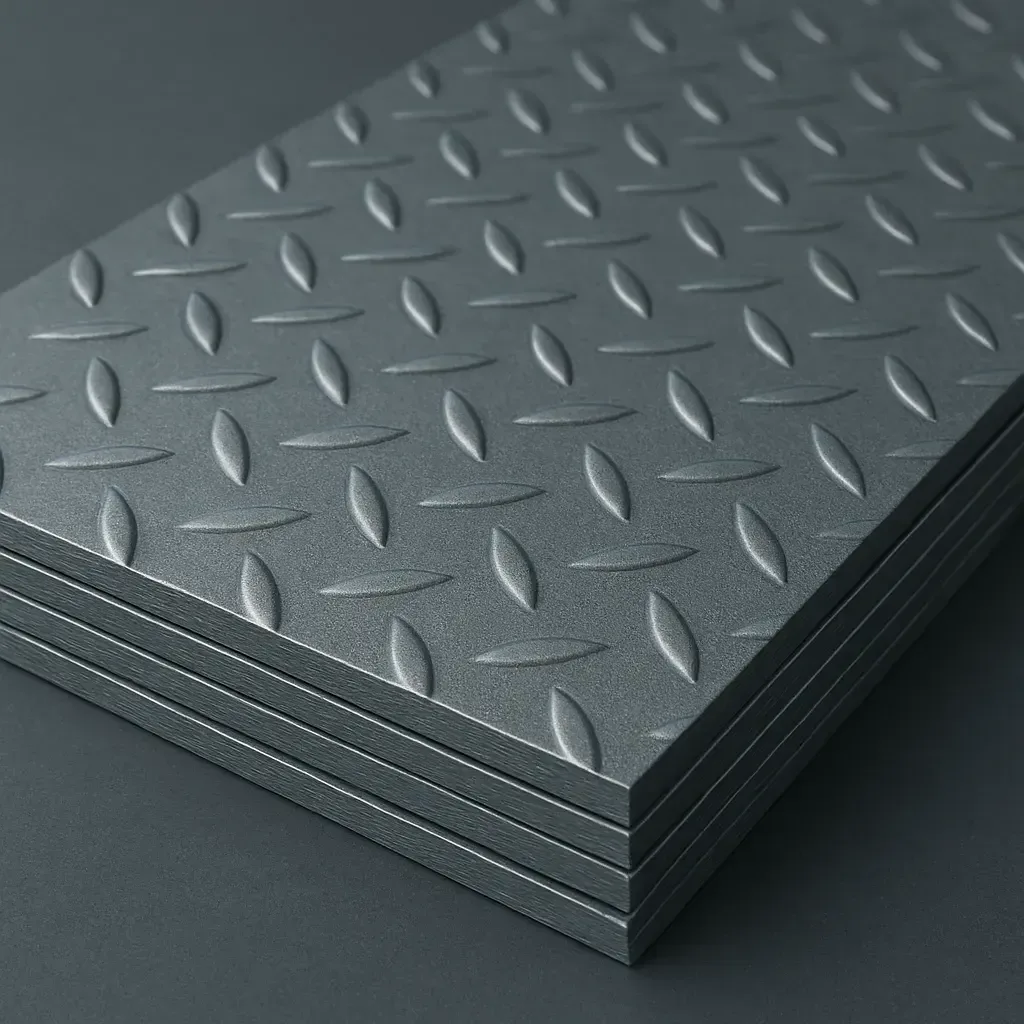


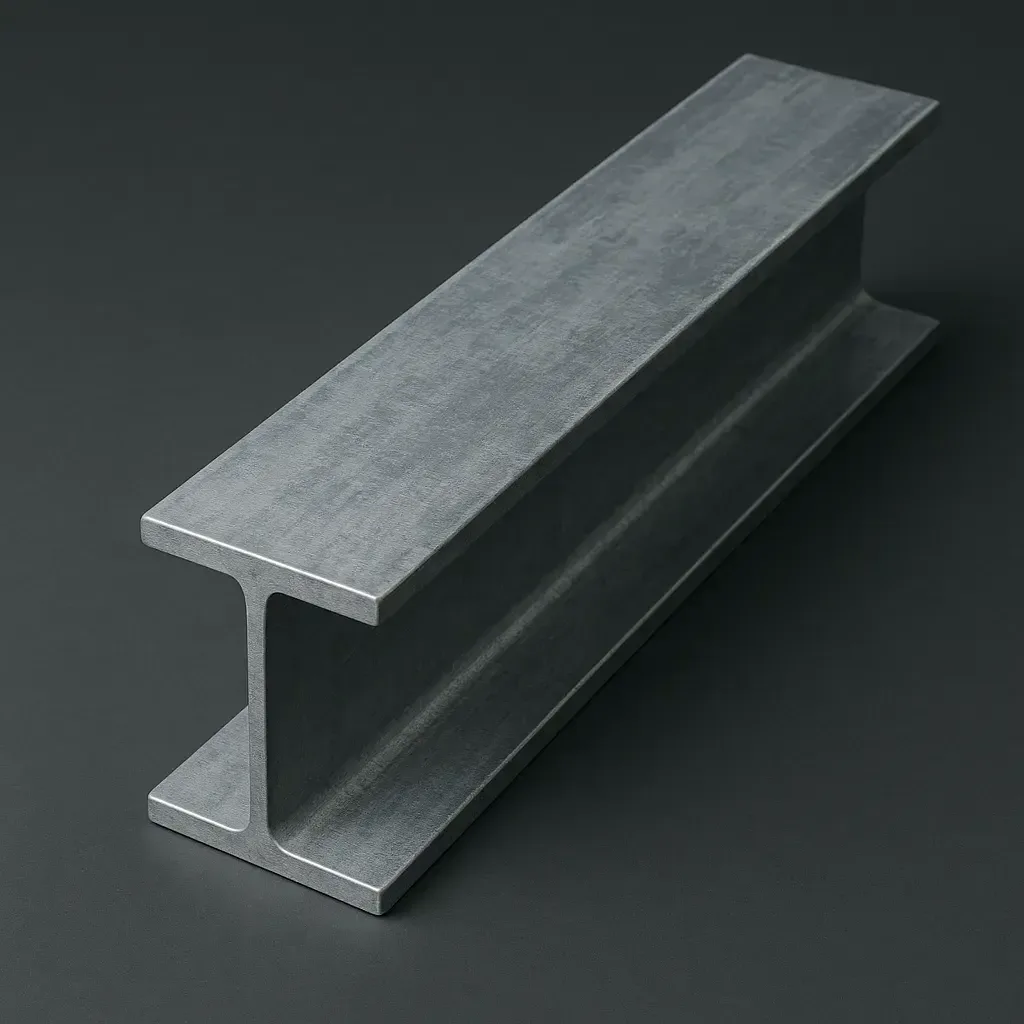

CHECKER PLATE
EXPANDED METAL SHEETSTEEL PIPESPROFILE PIPESMETAL ANGLE BARCHANNEL BARMETAL BEAM
MASONRY MESH
Hexagon bar
WELDING ELECTRODES
CORRUGATED SHEETING
Square barWe will call you back within 3 minutes
Rolled metal catalogue
CHECKER PLATE
EXPANDED METAL SHEETSTEEL PIPESPROFILE PIPESMETAL ANGLE BARCHANNEL BARMETAL BEAM
MASONRY MESH
Hexagon bar
WELDING ELECTRODES
CORRUGATED SHEETING
Square barWe will call you back within 3 minutes
OUR COMPANY'S SERVICES

Preparatory operations
Cutting (gas, plasma, laser, waterjet), bending, straightening, making forgings, metal casting, rolling, perforation, blanking and stamping.

Machining
Turning and milling (including CNC), drilling, boring, thread cutting, grinding, polishing, deburring and machining.


Heat and chemical treatment
Heat treatment (hardening, tempering, normalising), carburising, nitriding, boriding, carbonitriding, chemical oxidation (blackening).


Surface coatings and finishing
Electroplated coatings (galvanising, chrome plating, nickel plating, anodising), painting (powder, liquid, anti-corrosion), paint-and-varnish coatings, sandblasting.

Quality control
Ultrasonic testing, magnetic particle testing, radiographic testing, penetrant testing.

Welding and assembly
Welding work (arc, semi-automatic, argon-arc), assembly of steel structures.

Special technologies
Calibration (round, square, hexagon), hydroforming, laser marking.

Logistics and order assembly
Packaging of products, order assembly, warehousing services, delivery of rolled metal and finished products.

Engineering and design
Development of technical documentation, design of steel structures, material selection, and bespoke design and engineering solutions for the client.
OUR COMPANY'S SERVICES

Cutting (gas, plasma, laser, waterjet), bending, straightening, making forgings, metal casting, rolling, perforation, blanking and stamping.
Preparatory operations

Turning and milling (including CNC), drilling, boring, thread cutting, grinding, polishing, deburring and machining.
Machining
Heat treatment (hardening, tempering, normalising), carburising, nitriding, boriding, carbonitriding, chemical oxidation (blackening).
Heat and chemical treatment
Electroplated coatings (galvanising, chrome plating, nickel plating, anodising), painting (powder, liquid, anti-corrosion), paint-and-varnish coatings, sandblasting.
Surface coatings and finishing
Ultrasonic testing, magnetic particle testing, radiographic testing, penetrant testing.
Quality control
Welding work (arc, semi-automatic, argon-arc), assembly of steel structures.
Welding and assembly
Calibration (round, square, hexagon), hydroforming, laser marking.
Special technologies
Packaging of products, order assembly, warehousing services, delivery of rolled metal and finished products.
Logistics and order assembly
Development of technical documentation, design of steel structures, material selection, and bespoke design and engineering solutions for the client.
Engineering and design
We will call you back within 3 minutes
OUR COMPANY'S SERVICES
Cutting (gas, plasma, laser, waterjet), bending, straightening, making forgings, metal casting, rolling, perforation, blanking and stamping.
Preparatory operations
Turning and milling (including CNC), drilling, boring, thread cutting, grinding, polishing, deburring and machining.
Machining
Heat treatment (hardening, tempering, normalising), carburising, nitriding, boriding, carbonitriding, chemical oxidation (blackening).
Heat and chemical treatment
Electroplated coatings (galvanising, chrome plating, nickel plating, anodising), painting (powder, liquid, anti-corrosion), paint-and-varnish coatings, sandblasting.
Surface coatings and finishing
Ultrasonic testing, magnetic particle testing, radiographic testing, penetrant testing.
Quality control
Welding work (arc, semi-automatic, argon-arc), assembly of steel structures.
Welding and assembly
Calibration (round, square, hexagon), hydroforming, laser marking.
Special technologies
Packaging of products, order assembly, warehousing services, delivery of rolled metal and finished products.
Logistics and order assembly
Development of technical documentation, design of steel structures, material selection, and bespoke design and engineering solutions for the client.
Engineering and design
We will call you back within 3 minutes
Cost of rolled metal in Almaty
| PRODUCT | GRADE / SIZE | GOST / STEEL | UNIT | COST (KZT) |
|---|---|---|---|---|
| Rebar | ||||
| Rebar AIII (A500C) | d10 | Gost 34028-2016 | ₸/т | ≈342 000 |
| Rebar AIII (A500C) | d12 | Gost 34028-2016 | ₸/т | ≈338 500 |
| Rebar AIII (A500C) | d16 | Gost 34028-2016 | ₸/т | ≈333 500 |
| Wire rod | ||||
| Wire rod | ⌀6.5 | Gost 30136-95 | ₸/т | ≈341 000 |
| Wire rod | ⌀8 | Gost 30136-95 | ₸/т | ≈340 500 |
| Steel round bar (rod) | ||||
| Round bar | ⌀12 | st3sp/ps | ₸/т | ≈347 000 |
| Round bar | ⌀16 | st3sp/ps | ₸/т | ≈343 000 |
| Sheet metal | ||||
| Hot-rolled sheet | 4 mm | Gost 19903 | ₸/т | ≈355 000 |
| Cold-rolled sheet | 1 mm | Gost 19904 | ₸/т | ≈445 000 |
| Checker plate | 3 mm, five-point | – | ₸/т | ≈380 000 |
| Expanded metal sheet (PVL) | – | – | ₸/т | ≈395 000 |
| Steel pipes | ||||
| Seamless pipe | Ø57×3 | Gost 8732 | ₸/м | ≈2 500 |
| Steel water and gas pipes (VGP) | ||||
| VGP pipe | 25×2.8 | Gost 3262 | ₸/м | ≈849 |
| VGP pipe | 32×3 | – | ₸/м | ≈1 120 |
| Electric-welded steel pipes (ESV) | ||||
| Electric-welded pipe | 108×3 | Gost 10704 | ₸/pcs. | ≈42 070 |
| Electric-welded pipe | 76×2.5 | – | ₸/м | ≈2 200 |
| Profile pipes | ||||
| Profile pipe | 40×20×2 | Gost 8645 | ₸/м | ≈690 |
| Profile pipe | 40×40×2 | Gost 8639 | ₸/м | ≈980 |
| Profile pipe | 60×40×2 | Gost 8645 | ₸/м | ≈1 225 |
| Metal angle bar | ||||
| Equal angle bar | 50×50×5 | Gost 8509 | ₸/м | ≈1 790 |
| Equal angle bar | 40×40×4 | Gost 8509 | ₸/м | ≈1 010 |
| Unequal angle bar | 63×50×5 | – | ₸/м | ≈2 300 |
| Channel bar | ||||
| Channel 12P | Gost 8240 | ₸/м | ≈4 355 | |
| Channel 10P | Gost 8240 | ₸/м | ≈3 557 | |
| Channel 8P | – | ₸/м | ≈2 900 | |
| Metal beam (I-beam) | ||||
| Beam 20B1 | Gost 26020 | ₸/м | ≈13 250 | |
| Beam 30B1 | – | ₸/м | ≈17 300 | |
| Beam 36B1 | – | ₸/м | ≈20 800 | |
| Steel square bar | ||||
| Square bar | 10×10 | st3sp/ps | ₸/т | ≈371 000 |
| Square bar | 20×20 | – | ₸/т | ≈365 000 |
| Steel strip | ||||
| Strip | 30×4 | st3sp/ps | ₸/т | ≈465 000 |
| Strip | 40×5 | – | ₸/т | ≈460 000 |
| Wire VR-1 | ||||
| Wire VR-1 | ⌀6 | Gost 6727 | ₸/т | ≈355 000 |
| Tie wire | ||||
| Tie wire | ⌀1.8 | – | ₸/kg | ≈1 200 |
| Masonry mesh | ||||
| Masonry mesh | cell 100×100, Ø4 | – | ₸/м² | ≈1 200 |
| Masonry mesh | cell 150×150, Ø5 | – | ₸/м² | ≈1 550 |
- 01.OUR OWN WAREHOUSE OF 3 000 TONNES
Pipes, beams, sheets and rebar to GOST are in stock. More than 2 500 items available. We guarantee a selection for any project.
- 02.OUR COMPANY HAS BEEN OPERATING FOR 30 YEARS
We have been operating since 1994. Over this time we have found the best metal suppliers, and bulk purchasing allows us to cut costs for our clients.
- 03.cutting accuracy to ±1 mm
On Hypertherm CNC machines. We eliminate defects and metal waste. We save clients up to 15% of the budget on every project.
- 04.Delivery strictly on time
We deliver 98,5% of orders exactly on time thanks to our own fleet of 18 vehicles. You will avoid production downtime and penalties from clients.
- 05.A WIDE CHOICE OF METAL
We have 100+ items in stock: steel, aluminium and stainless steel from MMK, RUSAL and Severstal. Get the metal you need turnkey.
- 06.Direct supplies from 7 mills
We work directly, without intermediaries, with the MMK, NLMK and ChTPZ mills. Prices are 10-15% below market and every product comes with a quality certificate.
- 07.Dispatch from the warehouse in 3 hours
We will dispatch 95% items from our warehouse within 3 hours of your request. You will cut waiting time and speed up the start of the project.
- 08.Deferred payment of up to 30 days
We provide official deferred payment of up to 10 000 000 KZT for regular clients. Keep your working capital.
- 09.We will calculate the cost in 15 min
Send us a drawing or specification. Our engineer will prepare a quote with the exact cost in 15 minutes and send it to your email.
- 10.Packaging protects against corrosion
An anti-corrosion film and wooden spacers for sheet metal. Rebar in bundles of 2 tonnes. Storage life of up to 12 months.
Find out the construction cost and timeframe in 1 minute
Customer reviews of rolled metal in Almaty
Your feedback matters a great deal to us
Rolled metal in Almaty
Rolled metal is the backbone of modern industry and construction. The strength of buildings, the reliability of machines and the durability of structures all depend on quality metal. Understanding the types, characteristics and selection details lets you make informed decisions and avoid costly mistakes. This guide will help you navigate the full variety of rolled metal in Almaty.
A historical journey: from the blacksmith's forge to the automated rolling mill
The appearance of manually operated rolling mills was an attempt to automate the process. They increased productivity but did not solve the problem of consistent quality. The thickness and shape of the profile still depended heavily on the human factor. Machining metal by cutting became an alternative for a while, but this method led to enormous material losses — up to 40-50% went into chips.
Modern rolled metal in Almaty elegantly solves these problems. High-precision automated mills produce products with minimal tolerances. Computer control at every stage guarantees that the chemical composition and mechanical properties remain unchanged. This turns rolled metal from a handcrafted item into a high-tech product with predictable characteristics.
What is rolled metal? Understanding the essence of the process
The main advantage of rolling is its high efficiency. In a single pass you can produce several metres of finished product. This minimises waste and significantly reduces the cost compared with other methods.
Expert advice from Maksim Voronov, a leading rolled metal specialist:«Never choose rolled metal by the price per tonne alone. Cheap products are often made from recycled raw materials with technology violations. Internal stresses in such metal can lead to cracks as early as during installation. Always request quality certificates stating the steel grade and the manufacturing mill».
Ferrous, non-ferrous, stainless: classification by metal type
Ferrous rolled metal
Non-ferrous metal products
Table 1: Comparative characteristics of the main types of rolled metal
| CHARACTERISTIC | FERROUS | STAINLESS | NON-FERROUS (ALUMINIUM) |
|---|---|---|---|
| Strength | Very high | High | Medium / Low |
| Corrosion resistance | Low (without protection) | Very high | High |
| Cost | Low | High | High |
| Main application | Construction, load-bearing structures | Food and chemical industry | Electrical engineering, aviation, decor |
Stainless steel products
Flat vs long products: choosing the product shape
Flat-rolled products
Long steel products
- Rebar: steel bars with a ribbed surface for reinforcing concrete.
- Angle bar: An L-shaped profile for creating frames and frameworks and for reinforcing structures.
- Channel: A profile in the shape of the letter «U» with high bending rigidity. The basis for beams, floors and supports.
- I-beam: A profile in the shape of the letter «H». It has maximum resistance to loads. It is used for columns and load-bearing beams.
Table 2: Applications of long products
| Type of long steel product | Main sizes | Typical application |
|---|---|---|
| Rebar | Diameter 6-40 mm | Monolithic construction, foundations |
| Angle bar | Flange 20-200 mm | Frameworks, frames, opening reinforcement |
| Channel bar | Height 50-400 mm | Floors, support structures, trusses |
| I-beam | Height 100-600 mm | Columns, load-bearing beams, bridge structures |
Tubular products: more than just a pipe
The main trade-off when choosing pipes is that welded pipes can be used to save money on non-critical projects, but for critical pressure systems a seamless pipe is the only right choice.
Decorative metalwork: where aesthetics meets functionality
How to choose a rolled metal supplier in Almaty? Reliability criteria
- Availability of certificates. A quality certificate is the product's passport. It states the steel grade, chemical composition, mechanical properties, batch number and manufacturing mill.
- Warehouse range. A large supplier always has a wide selection of products in stock. This lets you quickly get the item you need and assemble your order.
- Logistics. Check whether the company has its own transport for delivery. The ability to dispatch and deliver promptly within the required timeframe is critically important.
- Processing options. Suppliers that offer cutting, bending or drilling of metal to your dimensions save you time and resources.
Little-known facts about rolled metal that affect your choice
- Heat treatment changes everything. Many types of rolled products (for example, rebar) undergo heat hardening. A violation of the cooling regime at the mill can make the metal brittle. It is almost impossible to check this in «field» conditions, so you can only trust large manufacturers.
- Metal fatigue is not a myth. Metal subjected to cyclic loads (vibration, constant bending) can fail suddenly even at loads below the limit. For such cases there are special steel grades with increased endurance.
- A zinc coating has a shelf life. Galvanised products are not eternal. The corrosion rate of zinc is about 1-5 µm per year, depending on how aggressive the environment is. Knowing the coating thickness, you can estimate the structure's service life before the first rust appears.
- Aluminium rusts too. But its rust (an oxide film) protects it from further deterioration. Unlike iron, whose rust is loose and flakes off, exposing a new layer.
- Profile geometry matters more than weight. Two beams of the same weight but different profiles (for example, a channel and an I-beam) will have radically different rigidity. Choosing the right shape is the key to saving metal without losing strength.
| Coating / material type | Estimated service life before corrosion begins | Notes |
|---|---|---|
| Uncoated black steel | 1-5 years | Depends heavily on humidity and the presence of reagents |
| Galvanised steel (coating 40-60 µm) | 25-50 years | – |
| Stainless steel (AISI 304) | 50+ years | Can corrode in aggressive environments (for example, near the sea) |
| Aluminium | 40+ years | – |
Conclusion
Frequently asked questions
about rolled metal
What is the difference between ferrous and non-ferrous rolled metal?
Ferrous rolled metal is made from iron and its alloys (cast iron, steel). Its main qualities are high strength and hardness. It includes beams, channels, rebar and sheet steel. The main areas of use are construction, mechanical engineering and heavy industry.
Non-ferrous rolled metal is made from copper, aluminium, brass, titanium and so on. Its advantages are corrosion resistance, electrical conductivity, light weight and often a presentable appearance. It is used in electrical engineering, aircraft manufacturing, decorative finishing and the production of household appliances.
Which to choose: hot-rolled or cold-rolled products?
How to calculate the weight of rolled metal?
What does the price of rolled metal depend on?
How to store rolled metal correctly?
Can I order rolled metal cut to size?
How does galvanised rolled metal differ from ordinary rolled metal?
Rebar can be smooth or ribbed (A3). What is the difference in their use?
Ribbed rebar (class A3, A500C): It has a periodic profile (ribs, projections). This is needed to create a strong bond with concrete. Such rebar takes the main loads in reinforced concrete structures (foundations, floor slabs, columns). Without ribs, the rebar could simply slip out of the concrete under load.
Smooth rebar (class A1): It has no ribbing. It is used mainly as an assembly element for creating frameworks, tying the working (ribbed) rebar, and in structures where high bonding is not required (for example, some types of fences).
What is «stainless steel» and how do grades AISI 304 and AISI 430 differ?
AISI 304 (equivalent to 08X18N10): This is a chromium-nickel steel. Nickel makes it highly resistant to corrosion in aggressive environments and gives it ductility. It is non-magnetic. Applications: the food industry, chemical equipment, tableware, indoor design elements.
AISI 430 (equivalent to 08X17): This is a chromium steel (without nickel). It is inferior to grade 304 in corrosion resistance, especially in acidic environments, but is cheaper. It is magnetic. Applications: interior finishing, household appliance parts, products for mildly aggressive environments.
How to choose the right type of rolled metal for load-bearing structures?
I-beam (double-tee beam): it has maximum bending resistance thanks to its H-shaped form. Ideal for long spans.
Channel (U-shaped profile): withstands vertical and horizontal loads well and is often used as a support or guide.
Square or rectangular tube: combines strength with a relatively low weight and is used in frame construction.
Angle bar: used as an auxiliary reinforcing element.
The final choice should be based on engineering calculations that take all the design loads into account.
What do steel markings mean (for example, St3sp or 08ps)?
St — stands for «steel».
The number (3, 08, etc.) indicates the carbon content. The number 3 means an average content of about 0.3%, and 08 — about 0.08%.
The letters after the number describe the deoxidation method and quality:
sp — killed steel (high quality, uniform structure).
ps — semi-killed steel.
kp — rimmed steel (a more economical option).
Thus, St3sp is a structural carbon steel with 0.3% carbon, killed. And 08ps is a low-carbon steel (0.08%), semi-killed, often used for cold stamping.
What do steel markings mean (for example, St3sp or 08ps)?
St — stands for «steel».
The number (3, 08, etc.) indicates the carbon content. The number 3 means an average content of about 0.3%, and 08 — about 0.08%.
The letters after the number describe the deoxidation method and quality:
sp — killed steel (high quality, uniform structure).
ps — semi-killed steel.
kp — rimmed steel (a more economical option).
Thus, St3sp is a structural carbon steel with 0.3% carbon, killed. And 08ps is a low-carbon steel (0.08%), semi-killed, often used for cold stamping.
Do you take Almaty's seismic activity into account during construction?
Choosing a suitable site.
Design that accounts for seismic loads.
Use of earthquake-resistant materials.
Compliance with construction codes and quality control.
Which foundation should you choose when building a house?
Soil type.
Weight and number of storeys of the house.
Presence of a basement.
Budget.
Common types:
Strip.
Slab.
Pier.
Pile.
Each type is best suited to particular conditions.