
land plot planning
Reading time: 5 minutes
land plot planning
Reading time: 5 minutes
land plot planning
Reading time: 5 minutes
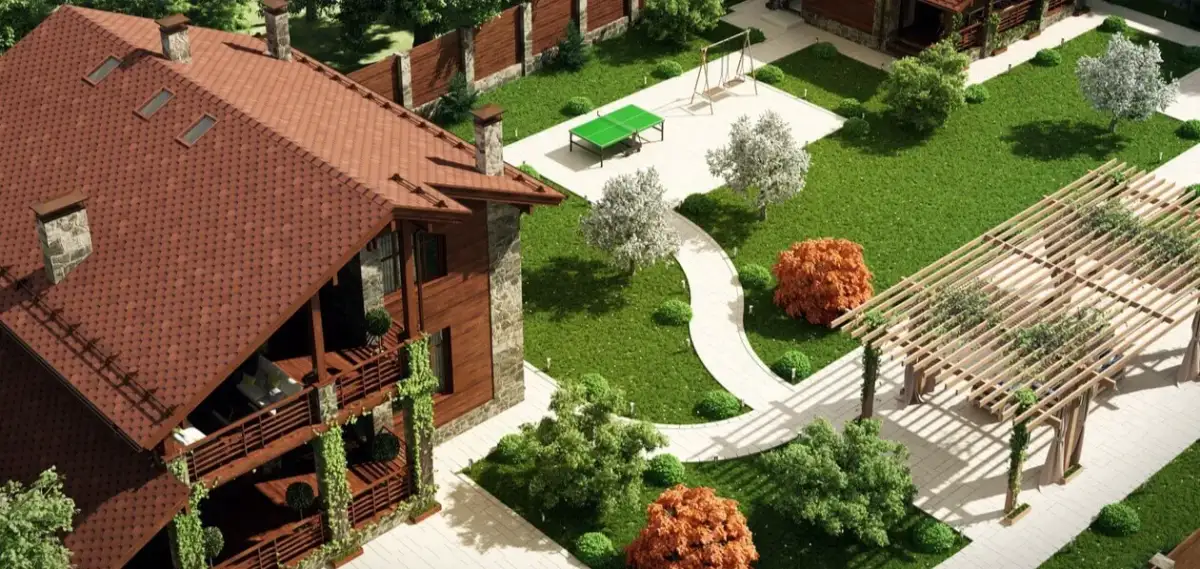
Site preparation
We often dream of creating the perfect country oasis but do not know where to start. Proper planning is the key to creating a harmonious landscape that will become an extension of your home. In this thorough article we reveal all the secrets of planning - from soil analysis to the choice of plants and decor. By the end you will be able to visualise your ideal plot and start turning the dream into reality.
Land plot planning is a comprehensive process that precedes any construction and landscaping work on the territory. Its main goal is to properly distribute the available space among various functional zones, taking into account all the features of the plot and the owner's needs.
Preliminary planning stage
Before you begin zoning and planning the plot, you need to gather and study as much baseline data about the territory as possible. This will allow you to make informed decisions and avoid many mistakes.
Gathering information:
To determine the parameters of the terrain and elevation differences, geodetic surveys are carried out with the preparation of a topographic plan of the area.
The optimal layout of buildings and structures will depend on the shape of the plots. Plots may have an irregular configuration - elongated, triangular, L-shaped, etc.
Particular attention is paid to wind directions, which can adversely affect plants, freeze trees and create discomfort for residents. Wind protection measures are planned taking the wind rose into account.
Knowing the groundwater level will help you choose the right type of foundation and decide whether a drainage system is needed.
After collecting all the source information and analysing it thoroughly, you can move on to structural planning and zoning of the plot.
Gathering information:
- Shape and size of the plot, property boundaries
- Terrain features and elevation changes
- Character of the surrounding development and its style
- Depth of soil freezing and groundwater level
- Soil type and its composition
- Prevailing wind directions (wind rose)
- Insolation level and degree of lighting
To determine the parameters of the terrain and elevation differences, geodetic surveys are carried out with the preparation of a topographic plan of the area.
The optimal layout of buildings and structures will depend on the shape of the plots. Plots may have an irregular configuration - elongated, triangular, L-shaped, etc.
Particular attention is paid to wind directions, which can adversely affect plants, freeze trees and create discomfort for residents. Wind protection measures are planned taking the wind rose into account.
Knowing the groundwater level will help you choose the right type of foundation and decide whether a drainage system is needed.
After collecting all the source information and analysing it thoroughly, you can move on to structural planning and zoning of the plot.
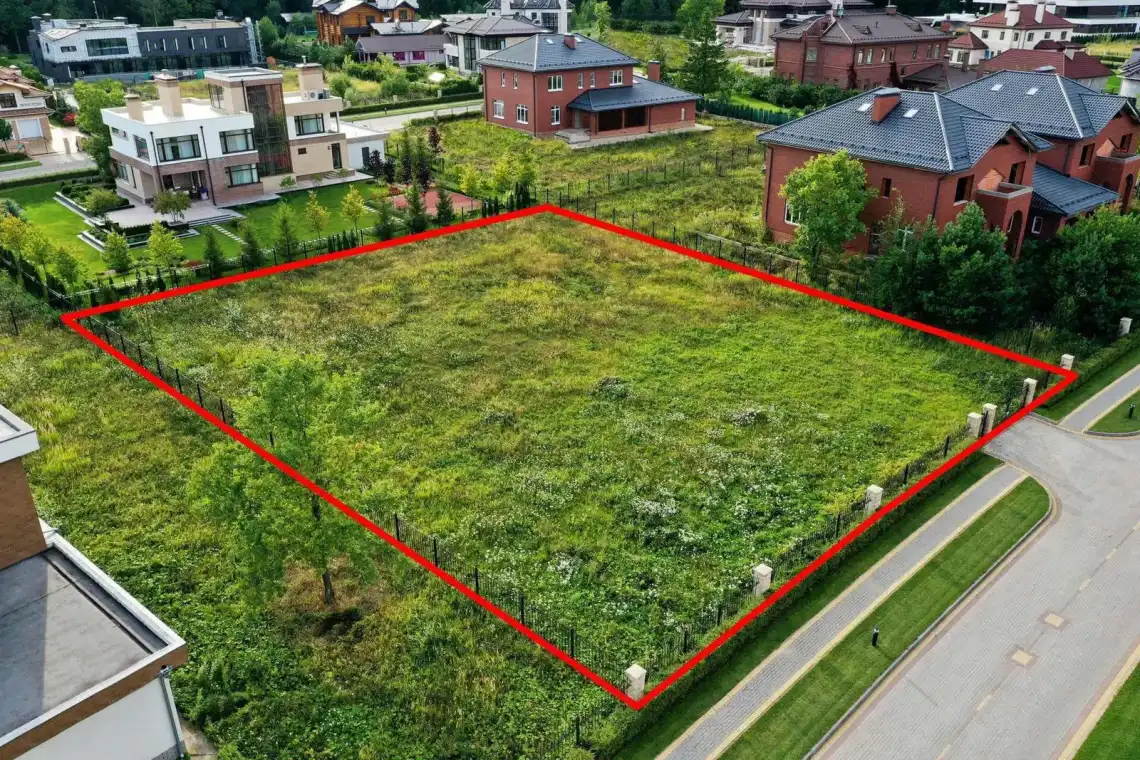
Harmonious planning of the land plot
Site analysis
In a harmonious garden, everything began with a soil analysis, which helped to understand the needs of the plants and avoid mistakes in the layout.
- Before you start planning the plot, you need to study its features carefully. This will allow you to make the most efficient use of the space and create a comfortable environment.
- First, assess the terrain and soil composition. The slope of the plot can affect the choice of plants and the placement of zones. Clay soil retains moisture well but drains poorly. Sandy soil provides excellent drainage but dries out quickly. Find out the composition of your soil in order to select suitable plants and improve it if necessary.
- Pay attention to the orientation of the plot relative to the cardinal directions and analyse the lighting at different times of day. This will determine the placement of sun-loving and shade-tolerant zones. Take into account the direction of the prevailing winds - this will help you plan wind protection.
- Inspect the existing vegetation and structures. Perhaps some of them can be preserved and incorporated into the new landscape design. Do not forget to study the legal regulations on land development in your region.
In a harmonious garden, everything began with a soil analysis, which helped to understand the needs of the plants and avoid mistakes in the layout.
Requirements and standards for plot planning
When drawing up the plot plan and the site master plan, you need to be guided by the requirements of urban planning standards, fire safety and sanitary rules:
For industrial and multi-apartment buildings, additional standards apply for the organisation of parking, landscaping, etc.
Ignoring urban planning requirements risks having the design approval refused or incurring administrative fines later on. Therefore, at the stage of planning a house on the plot, you should take all current regulations into account as fully as possible.
- Observe the minimum regulatory setbacks from the plot boundaries when placing buildings and structures
- Allow for the permissible distances between structures that ensure walkways and driveways
- Provide safe distances from objects to power lines, gas pipelines and other utilities
- Maintain sanitary protection zones from potential sources of noise, vibration and pollution
- Design functional zoning with the separation of residential zones from industrial ones
- Ensure insolation of residential premises and plots in accordance with standards
- Provide fire lanes and access routes for special machinery
For industrial and multi-apartment buildings, additional standards apply for the organisation of parking, landscaping, etc.
Ignoring urban planning requirements risks having the design approval refused or incurring administrative fines later on. Therefore, at the stage of planning a house on the plot, you should take all current regulations into account as fully as possible.
Division into functional zones
In functional zoning of a plot, the following main zones are usually identified:
- Entrance area (driveways, vehicle parking)
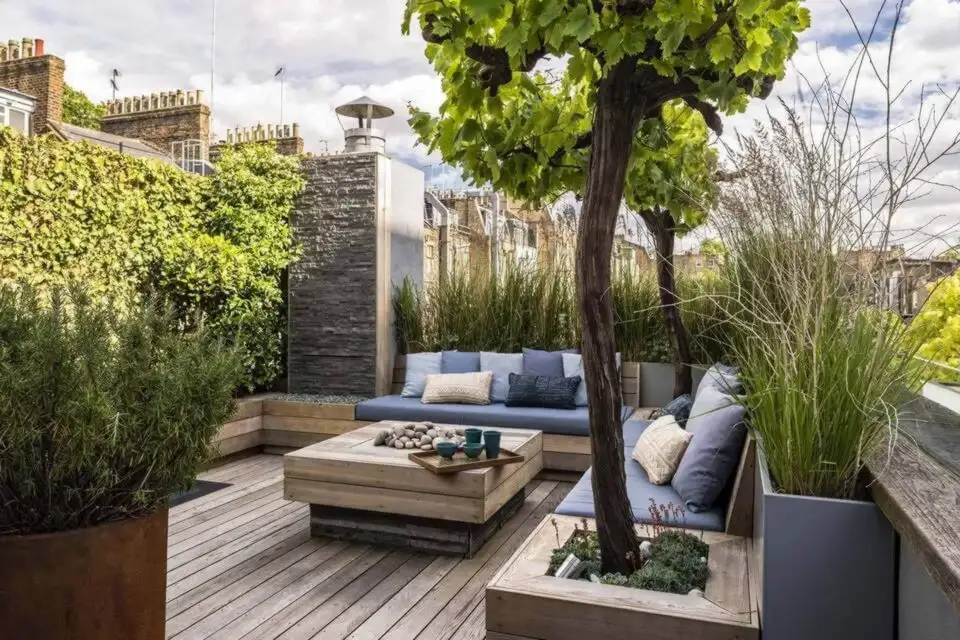
- Living zone (house, terraces, recreation areas)
- Utility area (vegetable garden, orchard, greenhouses)
- Utility building zone (garage, canopies, woodsheds, workshops)
- Active recreation area (sports grounds, swimming pools, gazebos)
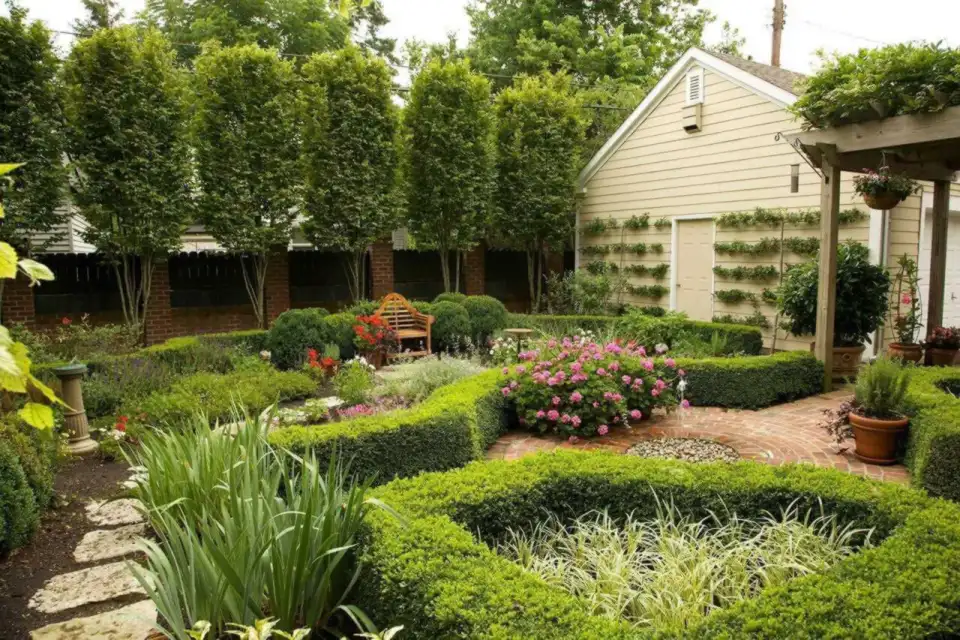
- Decorative area (flower beds, rock gardens)
- A formal front yard and a utility yard
- Private and public zones
- A winter garden or conservatory
- Zones set aside for keeping livestock and poultry
- Technical and utility rooms
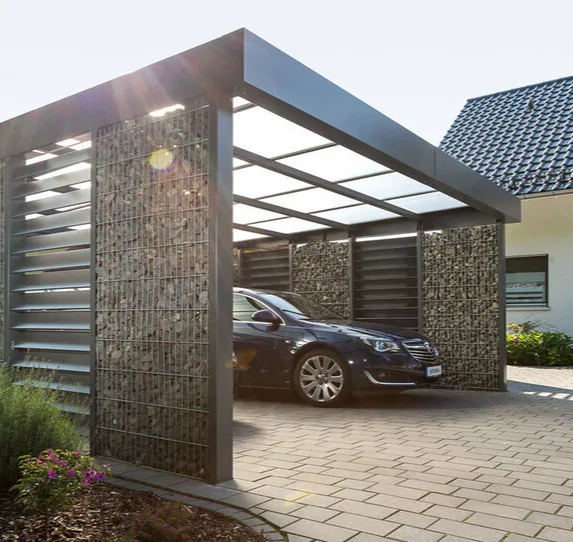

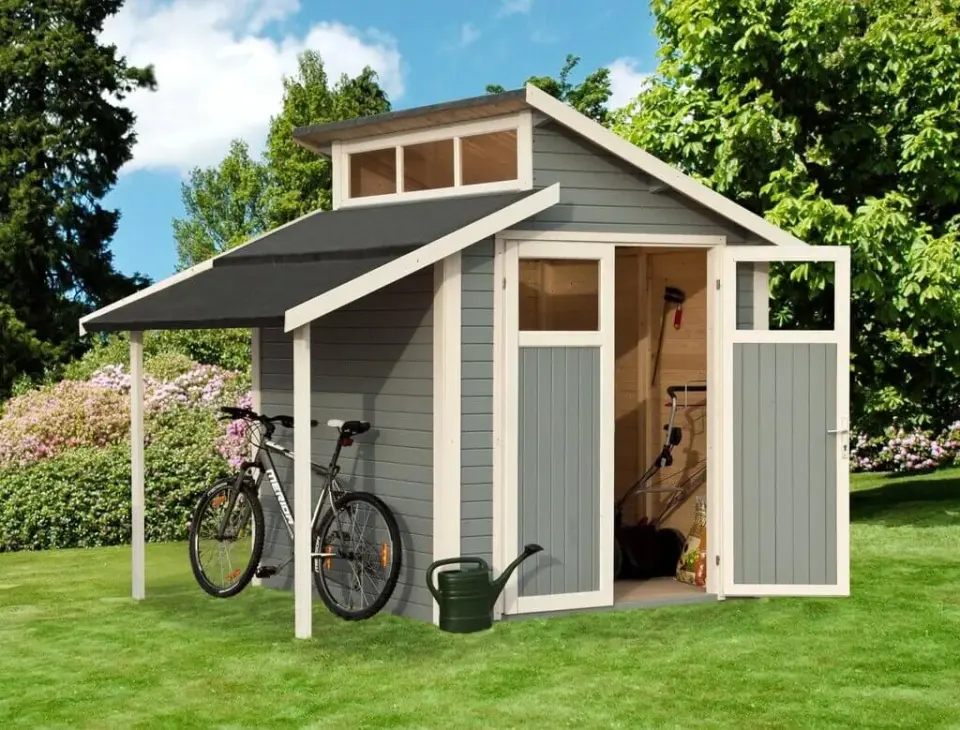
Parking area
Utility zone
Recreation zone
Decorative area
Living zone
Parking area
Utility zone
Recreation zone
Decorative area
Living zone
Pathway design
A well-thought-out system of paths will tie together all the zones of your plot and provide convenient access to them. When planning the routes, take functionality and aesthetics into account. For the main paths it is better to use durable materials - paving slabs, natural stone or well-compacted gravel. Smaller paths can be designed more picturesquely using brick, bark or wood chips.
Paths should fit harmoniously into the landscape, flowing around relief obstacles. Determine the width you need depending on the intensity of traffic. Plan the lighting of the main routes for safe movement in the dark.
Avoid straight lines and sharp angles unless you are planning a strict formal garden area. Smooth curves are better suited to a natural landscape. An original idea: create a sensory path - lay it with various natural materials and textures. Walking along it will be a true delight for your feet!
Organisation of water features
Water gives a special charm to any adjacent territory. It can be a traditional pond, a babbling stream or a modern waterfall with lighting. Choose the option that suits your budget and space.
Designer's tip: Think through the lighting of ponds and waterfalls. It will let you enjoy their beauty even after dark and add a touch of magic to the landscape.
- A pond will become a wonderful place to watch the life of the underwater world. With the right design it will complement any landscape style - from an English to an oriental garden.
- A stream or waterfall will fill the territory with the soothing sounds of babbling water. You can incorporate them into the path system or make them the highlight of a patio recreation area.
- For small areas, compact water features will be an excellent solution - fountains, bowls or cascades. They will create the impression of a water feature without taking up much space.
Designer's tip: Think through the lighting of ponds and waterfalls. It will let you enjoy their beauty even after dark and add a touch of magic to the landscape.
Choice of plants
Half the success of plot planning depends on choosing the right plants. Pay attention to the following factors:
- Climate - Choose plants that tolerate the weather conditions of your region well. For example, for Almaty, drought-resistant species suited to hot summers are a good fit, but do not forget about the cold winter.
- Compatibility - Combine plants with similar needs for light, moisture and soil composition. That way they will stay healthy and will not require excessive care.
- Seasonality - To keep the territory pleasing to the eye all year round, choose plants with different flowering periods. Combine bulbous plants, shrubs, trees and perennials.
- Height and shape - Competently combine heights and shapes - from creeping plants to vertical accents. This will create a harmonious, balanced landscape.
- Colour palette - Think carefully about colour combinations. Contrasting shades will make the garden dynamic, while monochrome scenery will look exquisite.
Lighting planning
Competent lighting can transform any territory and extend its use even after dusk.
When organising lighting, do not forget about zoning. Combine bright and dimmed areas so that the territory looks different from various angles. That way you can regularly surprise your guests with new impressions!
- First, take care of convenience and safety. Light the main paths, patio and entrances to the house. This will allow comfortable movement in the dark.
- Then think about decorative lighting. Use solar-powered fixtures or run a special cable around the plot without extra wires. Light up water features, fountains, arches and pergolas to create a fairy-tale atmosphere.
- Highlight tree trunks and crowns with lighting accents. Gazebos lit from within or flower arrangements in planters look beautiful. The most striking solutions for the garden area are all kinds of garlands and glowing sculptures.
When organising lighting, do not forget about zoning. Combine bright and dimmed areas so that the territory looks different from various angles. That way you can regularly surprise your guests with new impressions!
Lighting planning
Competent lighting can transform any territory and extend its use even after dusk.
When organising lighting, do not forget about zoning. Combine bright and dimmed areas so that the territory looks different from various angles. That way you can regularly surprise your guests with new impressions!
Energy-efficient light sources for the garden - it is better to use LED lamps and solar panels. They are economical, long-lasting and do not require laying power lines across the plot. Also consider installing motion sensors to switch the lighting on automatically as needed.
- First, take care of convenience and safety. Light the main paths, patio and entrances to the house. This will allow comfortable movement in the dark.
- Then think about decorative lighting. Use solar-powered fixtures or run a special cable around the plot without extra wires. Light up water features, fountains, arches and pergolas to create a fairy-tale atmosphere.
- Highlight tree trunks and crowns with lighting accents. Gazebos lit from within or flower arrangements in planters look beautiful. The most striking solutions for the garden area are all kinds of garlands and glowing sculptures.
When organising lighting, do not forget about zoning. Combine bright and dimmed areas so that the territory looks different from various angles. That way you can regularly surprise your guests with new impressions!
Energy-efficient light sources for the garden - it is better to use LED lamps and solar panels. They are economical, long-lasting and do not require laying power lines across the plot. Also consider installing motion sensors to switch the lighting on automatically as needed.
Creating comfort and decoration
- Small architectural forms and decorative elements are the finishing touch that gives the area a stylish and complete look. Well-placed accents will highlight the beauty of the landscape, create a cosy atmosphere and complement functionality.
- Gazebos and pergolas. These structures will decorate any recreation area. Choose a simple design or a more intricate option with grapes or climbing plants around the perimeter.
- Garden furniture. From benches and armchairs to swings and canopies - everything you need for comfortable outdoor seating.
- Art objects. Original sculptures, planters, rock cascades, sundials and other items to create bright accents along the paths and among the flower beds.
- Arches. A great way to mark the boundaries of zones and add vertical elements to the landscape. And if you entwine them with plants, you get a picturesque green tunnel!
- Lighting. Besides ensuring safety, lighting solutions will highlight the beauty of small architectural forms. For example, gazebo lighting or lanterns along garden paths.
Conclusion
Now you know all the stages and subtleties of competent land plot planning. The main secret is to combine practicality and beauty, creating a harmonious environment both for relaxation and for household needs.
When planning a plot, follow these principles:
Bring your ideas to life in stages and try to keep the plot in perfect condition. A well-kept, tidy garden will delight you for many years!
When planning a plot, follow these principles:
- Carefully study the initial conditions - terrain, soil, light levels, etc.
- Define the functional zones according to your needs.
- Plan the system of paths connecting all areas of the plot carefully.
- Include water features in the landscape - they will bring the space to life.
- Select a range of plants taking into account the climate and the style of the zone.
- Create a multi-level lighting system so the plot can be used at any time of day.
- Complete the composition with convenient and decorative elements.
Bring your ideas to life in stages and try to keep the plot in perfect condition. A well-kept, tidy garden will delight you for many years!
Frequently asked
questions about plot planning
Frequently asked
questions about plot planning
Frequently asked
questions about plot planning
How to realise the dream of a beautiful garden on a limited budget?
How to avoid typical mistakes when planning a garden?
The main thing is to plan everything carefully in advance, taking into account the initial conditions of the plot. Do not place plants near utilities or under the windows of the house. Leave space for their growth. Provide enough space for storage and movement of large garden machinery. Assess the scale of construction work in advance and order all the necessary materials.
Which style is best for designing a garden for a family with children?
The optimal option is a picturesque landscape style. It allows you to combine different functional zones, including children's play areas, and to mix various shapes and materials. At the same time, a landscape garden does not require strict symmetry or regular maintenance, which is convenient for an active family. Always fence off hazardous areas securely!
Phone:+7 (771) 754-15-73Our address:Almaty, Makataev St., 47, office 325 (Partner Business Centre)Daily: 9:00–21:00 (by appointment)